Understanding the Sangley Rebellion of 1639 and Its Impact
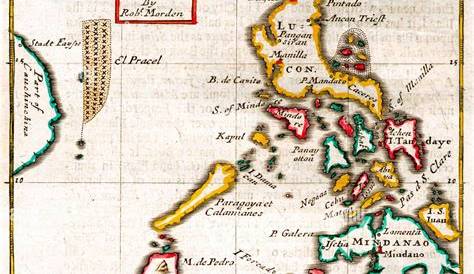
The Sangley Rebellion of 1639 was a significant uprising of the Chinese community in the Philippines, driven by social and economic grievances against Spanish colonial authorities. This rebellion was marked by the Chinese community's frustrations over heavy taxation, discrimination, and fears of expulsion by the Spanish government.
What triggered the Sangley Rebellion?
The Sangley Rebellion stemmed from a mix of social, economic, and political tensions. The Chinese, known as "Sangleys," played a crucial role in the economy of colonial Manila through trade and commerce. However, they faced harsh taxation, discrimination, and restrictions imposed by the Spanish authorities, which sparked resentment. In 1639, rumors circulated that the Spanish intended to expel the Chinese from the Philippines. This fear, combined with long-standing grievances over unfair treatment and economic exploitation, ultimately ignited the uprising. For instance, the Chinese had previously been forced to pay tribute and were often subjected to violence without any means of recourse, pushing their frustrations to a boiling point.
Key events of the Sangley Rebellion
The rebellion unfolded through several key events. It began in June 1639 when a group of Chinese merchants, feeling threatened by the Spanish government's actions, organized protests. Tensions escalated quickly, and on June 23, armed conflict erupted in Manila. The Chinese rebels attacked Spanish officials and their supporters, leading to widespread violence. In response, the Spanish authorities organized a military crackdown, deploying troops to suppress the uprising. Fighting lasted for several weeks, resulting in significant casualties on both sides. By July, the rebellion had been largely quelled, but it left a lasting impact on the community and colonial governance.
What were the consequences of the rebellion?
The aftermath of the Sangley Rebellion had profound effects on Chinese-Spanish relations and local society. In the immediate aftermath, the Spanish government tightened its grip on the Chinese population, enforcing stricter regulations and increasing taxes. Many Chinese were executed or forced to flee, while others faced severe reprisals. Over the long term, the rebellion underscored the vulnerabilities of the colonial system and prompted the Spanish to reconsider their policies toward the Chinese community. It also set the stage for future tensions, as distrust between the Spanish and the Chinese persisted into the later colonial period.
Common misconceptions about the rebellion
One common misconception is that the Sangley Rebellion was solely driven by racial animosity between the Chinese and Spanish. While ethnic tensions played a role, the rebellion was primarily fueled by economic exploitation and political disenfranchisement. Another misunderstanding is the belief that the rebellion was a coordinated effort by all Chinese in the Philippines; in reality, the uprising was a spontaneous reaction by certain segments of the Chinese community in Manila, rather than a unified national movement. These nuances are essential for understanding the complexities of the rebellion and its motivations.
Further reading and resources
For those interested in exploring the Sangley Rebellion further, consider the following resources:
- "The Chinese in the Philippines: A Historical Perspective" by John N. Schumacher
- "A History of the Philippines: From Indios Bravos to Filipinos" by Luis H. Francia
- Articles in historical journals that focus on colonial Philippine history and the role of the Chinese community. These texts provide in-depth insight into the socio-political dynamics of the time and the specific events of the rebellion.
Conclusion
Exploring the Sangley Rebellion offers valuable insights into the complexities of colonial rule and ethnic dynamics in the Philippines. Understanding these historical events enhances your knowledge of Philippine history and its ongoing implications today.