Understanding the New People's Army Rebellion
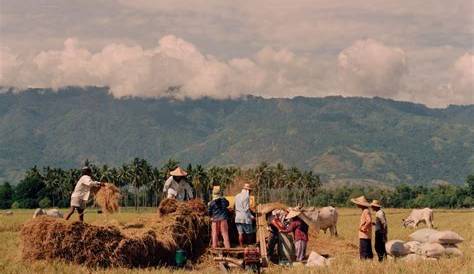
If you’re concerned about the New People's Army (NPA) rebellion, understanding its implications for local communities and governance is essential. This ongoing conflict affects daily life through safety concerns and disruptions in local governance. The NPA, a communist guerrilla group in the Philippines, has been engaged in rebellion against the government since the late 1960s, driven by socio-economic and political grievances.
What is the New People's Army and why does it matter?
The New People's Army (NPA) was founded in 1969 as the military wing of the Communist Party of the Philippines (CPP). Its ideological foundation is rooted in Marxism-Leninism, aiming to overthrow the Philippine government and establish a socialist state. The NPA's significance today lies in its persistent presence across the country, particularly in rural areas, where it continues to challenge state authority. This rebellion matters because it reflects deep-seated issues in Philippine society, such as poverty, landlessness, and inequality, which resonate with many citizens and hinder local governance and development efforts.
What are the causes of the current rebellion?
Several social, economic, and political factors fuel the NPA rebellion today. A major cause is the historical neglect of rural communities, which often face poverty and lack access to basic services. Many farmers struggle with land reform issues, as large landholdings remain concentrated in the hands of a few. Political disenchantment plays a significant role; citizens often feel that the government is unresponsive to their needs, leading them to view the NPA as a viable alternative. Additionally, corruption and violence exacerbate these grievances, making the rebellion resonate with local populations who see the NPA as a voice for their struggles.
How does the rebellion impact everyday life in affected areas?
The NPA rebellion significantly affects daily life in areas where it operates. Safety concerns arise from clashes between government forces and rebels, which can lead to displacement and casualties. Access to essential services may be disrupted; for instance, schools and health facilities might close or operate sporadically due to security threats. Furthermore, community dynamics can shift, with individuals feeling compelled to support the NPA out of fear or in hopes of better economic opportunities. This can create divisions within communities and complicate efforts toward peace and development.
What are the government's responses to the rebellion?
The Philippine government has employed various strategies to counter the NPA insurgency, including military operations and peace negotiations. Some administrations have focused on military solutions, increasing troop deployments in conflict zones, while others have attempted to address root causes through social programs aimed at rural development. However, the effectiveness of government responses varies. In many cases, military actions can heighten tensions without resolving underlying grievances, while community development initiatives may struggle to reach those most affected by the conflict.
What can citizens do to stay informed and safe?
Staying informed about the NPA rebellion and its implications for your community is crucial. Following reliable news sources and engaging with local organizations focused on conflict resolution and peacebuilding can provide valuable insights. Understanding the local context helps citizens navigate potential risks and support community efforts for safety and development. Encouraging conversations within your community about the challenges posed by the rebellion can foster advocacy for peaceful solutions that address the root causes of the conflict.
Conclusion
Stay informed and engage with your community about the realities of the NPA rebellion. Focus on constructive discussions that promote peace and address underlying issues. By remaining aware and involved, you can contribute to building a more resilient community that seeks solutions rather than division.
Frequently Asked Questions
What is the New People's Army?
The New People's Army (NPA) is a communist guerrilla group in the Philippines, established in 1969, aiming to overthrow the government and establish a socialist state. It operates mainly in rural areas and is known for its armed struggle against state forces.
What are the main causes of the NPA rebellion?
The NPA rebellion is driven by socio-economic issues such as poverty, landlessness, and political disenchantment. Many rural communities feel neglected by the government, leading them to support the NPA as a means to address their grievances.
How does the NPA rebellion affect local communities?
The rebellion creates safety concerns, disrupts access to services, and alters community dynamics. Clashes can lead to displacement, while some individuals may feel pressured to support the NPA.
What actions has the government taken to address the rebellion?
The government has responded with military operations and attempts at peace negotiations. While some initiatives focus on military solutions, others aim to tackle root causes through social programs, with varying levels of effectiveness.
How can citizens stay safe in areas affected by the NPA?
Citizens can stay safe by keeping informed about local developments regarding the NPA, engaging with community organizations, and participating in discussions that promote peace and understanding in their areas.