Understanding William Bartram and His Impact on Naturalism
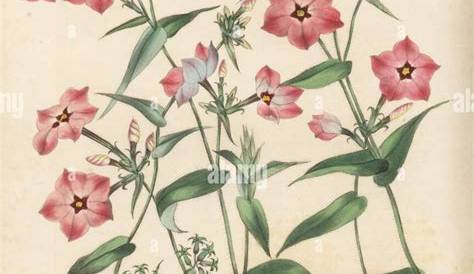
William Bartram is a key figure in American naturalism, known for his detailed explorations of the American South. Born in 1739 in Pennsylvania, he was not only a naturalist but also a botanist, artist, and writer. His observations of plants and animals during the 18th century significantly advanced the fields of botany and natural history in America, influencing future ecological studies and inspiring literary movements.
Who was William Bartram and why is he important?
William Bartram was an American naturalist whose explorations in the southeastern United States during the 18th century helped document the region's rich biodiversity. Growing up in a family of botanists, he developed a passion for the natural world early on, which fueled his dedication to documenting plants and animals. His travels took him through areas now known as Florida, Georgia, and the Carolinas, where he meticulously cataloged species largely unknown to European science at the time. His influential book, "Bartram's Travels," published in 1791, served as both a scientific account of his findings and a vivid narrative of the landscapes and cultures he encountered. This work has had a lasting impact on American ecology and literature, inspiring writers like Ralph Waldo Emerson and Henry David Thoreau, and contributing to a sense of American identity connected to its natural environment.
What did Bartram discover during his travels?
During his extensive travels, Bartram documented a wealth of flora and fauna, greatly enhancing botanical knowledge in America. He described over 200 plant species, many of which were previously unrecorded by Europeans. Notable discoveries include the Franklinia alatamaha, named after his friend Benjamin Franklin, and the majestic magnolia tree. Bartram's keen observations also encompassed various animal species, including the Carolina parakeet and the Florida scrub jay. His methodical approach to collecting specimens and recording notes established a standard for future naturalists. However, it’s essential to recognize that while Bartram’s contributions were groundbreaking, they were also shaped by the scientific understanding of his time, which often lacked rigorous methodologies.
How did Bartram’s writing style reflect his observations?
Bartram’s writing is characterized by poetic language and vivid imagery, showcasing his deep appreciation for nature. He combined scientific observation with personal narrative, inviting readers to share in his journey. His descriptions evoke wonder, painting the landscapes and creatures he encountered in rich detail. For instance, he wrote about the haunting beauty of Florida's swamps, and his reflections often hint at a philosophical connection to the world around him. This innovative blend of science and art influenced later writers who sought to convey a similar reverence for nature. While some may view his style as overly romantic or lacking strict scientific rigor, it effectively captures the spirit of exploration and the emotional connection he felt towards the environment.
What is the legacy of William Bartram today?
William Bartram's legacy resonates in conservation and environmentalism. His works inspired the early conservation movement in America and set a precedent for future naturalists and environmental writers. Modern conservationists often refer back to Bartram’s observations as they advocate for the protection of native species and habitats. Furthermore, his emphasis on the interconnectedness of nature and humanity has influenced contemporary ecological thought. Institutions such as the Bartram Trail in Georgia and various botanical gardens honor his contributions, reminding us of the importance of preserving natural landscapes. While Bartram's work is celebrated, it is also necessary to critically examine his perspectives within the context of his time, recognizing both his contributions and the limitations of his views.
How can I explore Bartram's work further?
To further explore William Bartram's work, begin with his seminal text, "Bartram's Travels," available in various editions that often include useful annotations and commentary. Look for modern interpretations or analyses that provide context for his observations. Several libraries and online resources offer access to his original writings, along with biographies that delve into his life and impact. Additionally, visiting sites related to Bartram, such as the John Bartram House and Bartram's Garden in Philadelphia, can offer a tangible sense of his legacy. Engaging with discussions in environmental literature and conservation can also help place his work in a modern context.
Conclusion
To understand William Bartram, start by reading "Bartram's Travels" to appreciate his narrative style and observations. Focus on his contributions to botany and natural history, and explore how his work influenced later naturalists and writers. While some aspects of his views may merit critical examination, acknowledging his role in the American naturalist movement will enrich your research. Bartram’s blend of science and art offers a unique perspective on the natural world.
Frequently Asked Questions
What were William Bartram's main contributions to botany?
William Bartram contributed significantly to botany by documenting over 200 plant species during his travels in the southeastern United States. His detailed descriptions of plants like the Franklinia alatamaha and the magnolia tree expanded the scientific community's understanding of American flora.
How did Bartram's Travels influence American literature?
"Bartram's Travels" influenced American literature by blending scientific observation with poetic narrative, inspiring writers such as Ralph Waldo Emerson and Henry David Thoreau to explore themes of nature and transcendentalism in their works.
What is the significance of Bartram's observations on wildlife?
Bartram's observations on wildlife, including birds and other animals, provided valuable insights into the biodiversity of the American South. His meticulous records helped raise awareness about the importance of conserving native species and habitats.
Are there any places named after William Bartram?
Yes, there are several places and trails named after William Bartram, including the Bartram Trail in Georgia, which commemorates his explorations and contributions to natural history.
How can I find more about Bartram's life and work?
You can find more about Bartram's life and work by reading his original text, "Bartram's Travels," along with biographies and analyses available in libraries or online. Visiting historical sites related to him can also provide additional context.