Who is Robert Shapiro and Why He Matters
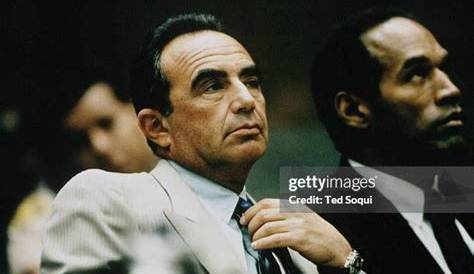
Robert Shapiro is a prominent attorney best known for his role as a lead defense lawyer in the O.J. Simpson murder trial. His influence extends beyond this case, as he has shaped legal practices and the portrayal of lawyers in popular culture. By examining Shapiro's career, you can gain valuable insights into the intersection of law and media.
What are the most notable cases Robert Shapiro has worked on?
Robert Shapiro gained national prominence as one of the lead attorneys in the O.J. Simpson murder trial in the mid-1990s. This case became a media sensation, sparking discussions about race, celebrity, and the justice system. Shapiro's defense strategy, particularly the memorable phrase "If it doesn't fit, you must acquit," was crucial to Simpson's acquittal and underscored the impact of persuasive legal arguments in high-stakes trials.
In addition to Simpson, Shapiro has represented a variety of high-profile clients, including celebrities and business figures. His involvement in these cases often attracted significant media attention, highlighting his ability to navigate complex legal challenges while managing public relations. However, this intense scrutiny can complicate outcomes and affect lawyers' reputations. The O.J. Simpson case left Shapiro with a mixed legacy; he is both praised for his legal skills and critiqued for the sensationalism that surrounded the trial.
How did Robert Shapiro's career evolve over the years?
Shapiro began his legal career in the 1960s after graduating from UCLA School of Law. He initially worked in various legal roles before specializing in criminal defense, where he found his niche. His first notable case involved a high-profile drug client, which helped him gain visibility in the legal community.
As he built his reputation as a strategic thinker and negotiator, Shapiro's work on the Simpson case thrust him into the spotlight. Following the trial, he continued practicing law while also embracing roles in legal consulting, media appearances, and writing books on law and ethics. This shift illustrates how lawyers can expand their influence beyond traditional legal practice. While some critics argue that this trend commodifies legal work, others view it as an opportunity for lawyers to educate the public about the legal system.
What influence has Shapiro had on legal practices?
Robert Shapiro has significantly impacted legal standards, particularly in criminal defense. He advocates for legal ethics, emphasizing the importance of integrity and professionalism. His experiences in high-profile cases have prompted him to speak about the need for reforms in the legal system, especially regarding media coverage's influence on public perceptions of justice.
Shapiro has focused on the importance of client relationships and the attorney's role in shaping public narratives. He argues that understanding media dynamics is crucial for modern attorneys, particularly in high-profile cases. This perspective raises questions about balancing effective advocacy with ethical considerations, as some believe that an excessive focus on media can detract from legal aspects. Shapiro's influence promotes a comprehensive view of legal practice that recognizes the relationship between law and public perception.
How is Robert Shapiro represented in popular media?
Robert Shapiro's portrayal in popular media reflects the complexities of his career. He has been depicted in various television shows and films, most notably in the miniseries "The People v. O.J. Simpson: American Crime Story," where he is characterized as a shrewd and charismatic lawyer. These representations often highlight his courtroom strategies and the ethical dilemmas faced by attorneys in high-profile cases.
Documentaries and news segments have also examined Shapiro's involvement in the Simpson trial, focusing on the sensational aspects of the case. While some portrayals acknowledge his legal skills, they can also reinforce stereotypes of lawyers as opportunistic or overly concerned with publicity. Understanding the difference between dramatization for entertainment and the real challenges of legal practice is essential, as Shapiro navigates these complexities in his career.
What lessons can we learn from Robert Shapiro's career?
Robert Shapiro's career offers valuable insights for aspiring lawyers and public figures. One key lesson is the importance of adaptability in a legal career. Shapiro transitioned from traditional legal practice to media engagement and consulting, showing that lawyers can find diverse pathways in their careers. This flexibility is critical in a changing legal environment.
Moreover, Shapiro's focus on ethical responsibilities serves as a reminder that integrity must remain central to legal practice. Balancing public relations with ethical considerations is a delicate task, necessitating ongoing self-reflection and a commitment to professional standards. For those aiming to make an impact in the legal field, learning from Shapiro’s approach to media and ethics can provide a valuable roadmap for navigating modern legal challenges.
Conclusion
To appreciate Robert Shapiro's significance, consider his role in the O.J. Simpson trial and its impact on public perceptions of lawyers. Reflect on how his career evolved, with a focus on ethical practices and media engagement. While sensationalism often surrounds his portrayal, it's essential to recognize the valuable lessons about adaptability and integrity that emerge from his experiences. Understanding the complexities of legal practice and the importance of ethics in a public-facing role for lawyers is key.
Frequently Asked Questions
What is Robert Shapiro known for?
Robert Shapiro is best known as a criminal defense attorney, particularly for his role in the O.J. Simpson murder trial, which received nationwide attention. He is also recognized for his contributions to legal ethics and the portrayal of lawyers in media.
Has Robert Shapiro written any books?
Yes, Robert Shapiro has authored several books, focusing on legal ethics and the criminal justice system. His writings reflect his experiences and insights from his career.
Is Robert Shapiro still practicing law?
While Robert Shapiro has shifted much of his focus toward consulting and media engagements, he still maintains a law practice, primarily in criminal defense.
How has media affected Robert Shapiro's career?
The media attention surrounding high-profile cases, particularly the O.J. Simpson trial, significantly influenced Shapiro's career, enhancing his public profile while also subjecting him to scrutiny. His ability to navigate this media landscape has become an integral part of his professional identity.
What ethical issues has Robert Shapiro addressed?
Robert Shapiro emphasizes the importance of ethics in legal practice, advocating for integrity and professionalism. He discusses how the intersection of media and law can create ethical dilemmas for attorneys.