What Primetime Means and Why It Matters for TV Watching

Primetime programming refers to the hours when television viewership peaks, typically from 8 PM to 11 PM in the U.S. This time frame is crucial for networks as it allows them to attract the largest audience, which in turn enables them to charge higher advertising rates. Understanding primetime can help you make more informed decisions about what to watch and when.
What exactly is primetime?
Primetime is the block of television programming that airs during the evening hours when most viewers are home and available to watch. In the U.S., this period usually runs from 8 PM to 11 PM, although some networks may slightly adjust these hours. Broadcasters prioritize this time because it offers the best chance to reach a large audience, essential for maximizing advertising revenue. During primetime, networks strive to engage viewers with high-quality content, which often receives more promotional support and a larger budget than shows scheduled outside these hours.
How did primetime evolve over the years?
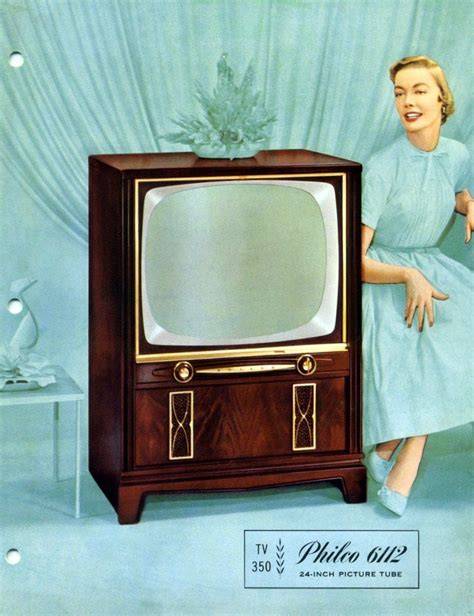
The concept of primetime has changed significantly since the early days of television. Initially, the television landscape was dominated by a few major networks. As TV gained popularity in the 1950s and 1960s, networks recognized the value of prime hours and established structured programming schedules. The rise of cable television in the 1980s and 1990s introduced more competition, prompting networks to innovate and diversify their offerings. Recently, the emergence of streaming services has transformed the idea of primetime. Viewers can now watch shows on-demand, often blurring traditional time slots. While primetime remains important for live broadcasts and major events, streaming has altered how viewers interact with content.
Why do networks focus on primetime programming?
Networks focus on primetime programming because it is the most lucrative time for advertising. Advertisers pay a premium for commercial slots during these hours, knowing they can reach a larger audience. This revenue is vital for networks, helping to cover production costs and pay for high-caliber talent. Additionally, successful primetime shows can enhance a network's reputation and foster viewer loyalty. Beyond financial incentives, networks aim to create compelling content that engages viewers and encourages them to return. A successful primetime show can become a cultural phenomenon, attracting both viewers and critical acclaim.
What types of shows typically air during primetime?
Primetime programming is diverse, but certain genres tend to dominate. Dramas, comedies, reality shows, and competition series are especially popular during these hours. For example, crime dramas or medical shows often draw large audiences due to their suspenseful and emotionally engaging content. Comedies provide lighter viewing options, while reality shows and competitions leverage audience engagement and social media interaction. Recently, serialized storytelling has gained traction, with shows unfolding over multiple episodes or seasons, encouraging viewers to watch weekly to follow the plot. However, the types of shows can vary significantly based on cultural trends and audience preferences, leading some networks to experiment with new formats.
How can I find the best shows to watch during primetime?
To find the best shows during primetime, consider your interests and viewing habits. Start by checking programming guides or streaming platforms that highlight trending shows. Seek recommendations from friends or trusted sources, and pay attention to social media discussions about popular series. Exploring genres you enjoy can also help, as many networks cater to specific audiences. If you're unsure where to start, look into critically acclaimed shows that have garnered awards or high ratings. Many streaming services offer curated lists based on your viewing history, which can help you discover new content that aligns with your tastes.
Conclusion
To enhance your television experience, familiarize yourself with primetime schedules and the types of programming available. Focus on genres you enjoy and keep an eye on new releases or critically acclaimed shows. Doing so will help you find content that resonates with you and keep you engaged in the broader cultural conversations surrounding primetime television.
Frequently Asked Questions
What times are considered primetime?
Primetime in the U.S. typically runs from 8 PM to 11 PM, although some networks may adjust these hours slightly. This is when most viewers are at home and able to watch.
Why is primetime important for networks?
Primetime is crucial for networks because it represents the peak viewing hours, allowing them to maximize advertising revenue. Advertisers pay more for slots during these hours due to the larger audience.
What types of shows are popular during primetime?
Primetime features a variety of shows, but dramas, comedies, and reality series tend to dominate. Networks often aim for content that engages viewers and encourages them to return each week.
How has streaming affected primetime viewing?
Streaming has changed the traditional primetime concept by allowing viewers to watch shows on-demand. This flexibility often leads to different viewing patterns, with many opting to binge-watch series rather than tune in live.
How can I choose what to watch during primetime?
To choose shows during primetime, consider your interests, check programming guides, and look for recommendations from friends or trusted sources. Streaming platforms often suggest content based on your viewing history.