The Best Places for Whale Watching in New Zealand
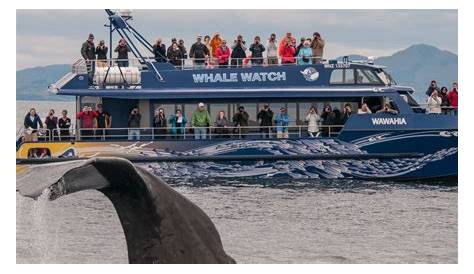
If you're eager to explore New Zealand's stunning landscapes, whale watching is a remarkable way to experience the country's natural wonders. You can expect to see a variety of incredible marine life, including majestic sperm whales and playful dolphins, in their natural habitats. In this guide, we'll highlight the best locations for whale watching, the ideal times for sightings, and what you can expect during your adventure.
Where can I go whale watching in New Zealand?
The top spot for whale watching in New Zealand is undoubtedly Kaikoura, located on the South Island's east coast. This area is renowned for its deep underwater canyons, which attract various whale species, especially sperm whales. Kaikoura offers numerous tour operators that provide boat trips, and the town itself has a charming atmosphere, making it easy to spend a few days here.
Auckland is another excellent option. While it's more famous for its vibrant city life, you can also catch whale watching tours from the city. The Hauraki Gulf is home to a range of marine life, including orcas and humpback whales during migration seasons. Tours from Auckland are generally shorter, making them a convenient choice if you're pressed for time.
Other notable locations include the Bay of Islands, where you can often see dolphins, and the Fiordland region, which offers a more remote experience with stunning scenery. Each location has its own unique features, so consider what kind of experience you're seeking when choosing a destination.
When is the best time for whale watching in New Zealand?
The best time for whale watching in New Zealand varies by location and species. In Kaikoura, the prime time is generally from May to September when sperm whales are most frequently sighted. However, you can see whales year-round due to the area's unique geography, which keeps food sources available.
In Auckland, the best months to spot whales are from June to November, particularly during the migration of humpback whales. You might also spot orcas during this time, especially in the Hauraki Gulf. The Bay of Islands offers opportunities mainly in the warmer months from December to April, when dolphin sightings are more common.
Keep in mind that while certain months are better for specific species, wildlife can be unpredictable. Some visitors have had luck spotting whales outside the typical seasons, so it’s always worth checking local tour operators for the latest information.
What should I expect on a whale watching tour?
A typical whale watching tour in New Zealand lasts between two to four hours, depending on the operator and your chosen destination. Most tours take place on specialized boats designed for stability and comfort, allowing for a better viewing experience. Crew members are usually knowledgeable about marine life and can provide insights during the trip.
You can expect to see various species, primarily sperm whales in Kaikoura and humpback whales around Auckland. Keep your camera ready, as you might also catch glimpses of dolphins, seals, and even seabirds preparing for a dive. Many tours allow for a bit of flexibility, so if whales are spotted, the captain will often adjust the route to give you the best view.
Dress appropriately, as it can be chilly out on the water, even in summer. Bring layers and be prepared for possible sea spray. It’s also wise to have motion sickness remedies on hand if you're prone to seasickness.
Are there any safety or ethical considerations?
When participating in whale watching, it's crucial to prioritize safety and adhere to ethical guidelines. Most operators follow strict protocols to ensure the wellbeing of both passengers and marine life. This includes maintaining a safe distance from the whales, which is typically around 50 meters, to avoid disturbing them.
Choosing eco-friendly operators is essential; look for companies that are certified by local environmental organizations. These operators emphasize sustainable practices, such as minimizing noise pollution and respecting marine habitats. Additionally, listen to your guides during the tour—they're trained to help you enjoy the experience without compromising the whales' natural behaviors.
Another consideration is the preservation of the environment. Avoid littering and be mindful of your impact on the ocean. Supporting responsible tourism can help ensure that whale watching remains a viable activity for future generations.
How can I book a whale watching experience?
Booking a whale watching tour in New Zealand is generally straightforward. Start by researching reputable operators online. Websites often feature reviews from previous customers, providing insights into the quality of the experience. Look for operators that emphasize eco-friendly practices and have good safety records.
Once you've found a tour that fits your schedule and budget, booking can typically be done online. Many companies offer flexible cancellation policies, which can be helpful if your plans change.
Before you go, consider checking the weather conditions and the sea state, as these can impact your experience. Arriving a bit early on the day of your tour will ensure you have time to check in and prepare.
Conclusion
To start your whale watching adventure in New Zealand, focus on Kaikoura or Auckland, as they offer some of the best experiences. Book your tour with a reputable operator that prioritizes safety and environmental responsibility. Be prepared for the unpredictability of wildlife sightings, but with a bit of patience and the right timing, you're likely to have an unforgettable experience. Embrace the journey and enjoy the chance to connect with these magnificent marine animals.
Frequently Asked Questions
What types of whales can I see in New Zealand?
In New Zealand, you can see various whale species, including sperm whales, humpback whales, orcas, and even the occasional blue whale. Each region has its specialties, with Kaikoura being famous for sperm whales and the Hauraki Gulf for humpbacks.
Are whale watching tours safe?
Yes, whale watching tours in New Zealand are generally safe. Operators follow strict guidelines to ensure passenger safety and the welfare of the whales. Always choose a reputable operator for the best experience.
How much does a whale watching tour cost?
The cost of whale watching tours can vary widely, typically ranging from NZD 100 to NZD 200 per person. Prices depend on the location, duration, and inclusivity of the tour.
What should I wear for a whale watching tour?
Dress in layers for a whale watching tour, as it can be cooler on the water. A waterproof jacket is advisable, along with comfortable shoes. Don't forget your sunglasses and sunscreen!
Can I get seasick on a whale watching tour?
Yes, some people may experience seasickness during whale watching tours. If you're prone to motion sickness, consider taking medication beforehand or choosing a larger, more stable boat.