Understanding Waylon Jennings: His Impact on Country Music
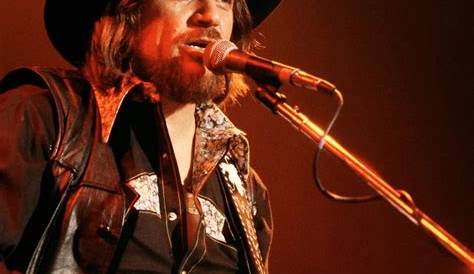
Waylon Jennings is a defining figure in country music, known for his raw, authentic sound that transformed the genre in the 1970s. He played a crucial role in the Outlaw Country movement, which sought to reclaim authenticity in country music and resonated with fans who felt sidelined by mainstream trends. To understand Jennings is to recognize how he broke industry norms and left a lasting legacy that continues to influence musicians today.
Who was Waylon Jennings and why is he important?
Waylon Jennings was a pivotal figure in country music, celebrated for his distinctive voice and outlaw persona. Born on June 15, 1937, in Littlefield, Texas, he began his career as a radio DJ before transitioning to performing. Jennings' music, characterized by a blend of country, rock, and folk influences, set him apart from the polished sounds coming from Nashville. His significance lies not only in his hit songs but also in his leadership of the Outlaw Country movement, which aimed to restore authenticity to country music. He bravely tackled themes of hardship, love, and rebellion, resonating deeply with fans who felt disconnected from the mainstream country sound. Jennings' refusal to conform to industry standards paved the way for a new generation of artists seeking to express themselves freely and authentically.
What are Waylon Jennings' most significant albums and songs?
Waylon Jennings released numerous albums throughout his career, but a few stand out as particularly influential. 'Honky Tonk Heroes,' released in 1973, is often regarded as a defining moment in his career. This album features a collection of songs that showcase his gritty style and lyrical depth, particularly the title track, which became an anthem for the Outlaw movement. Another significant work is 'Lonesome, On'ry and Mean,' also released in 1973, which solidified his status as a country music icon. Songs like 'Good Hearted Woman' and 'Mammas Don't Let Your Babies Grow Up to Be Cowboys' not only topped charts but also conveyed messages of authenticity and defiance that resonated with listeners. His 1976 album 'Dreaming My Dreams' included the hauntingly beautiful title track, further demonstrating his ability to blend emotion with storytelling. Each of these works contributed to redefining country music, making it more relatable and genuine.
How did Waylon Jennings contribute to the Outlaw Country movement?
Waylon Jennings was a central figure in the Outlaw Country movement, which emerged in the 1970s as a response to the commercialized sound of Nashville. Alongside artists like Willie Nelson and Johnny Cash, Jennings resisted the constraints of the music industry, choosing a more personal and unfiltered style. This movement embraced a raw, rebellious spirit, focusing on themes of hardship, love, and the struggles of everyday life. Jennings' success with this authentic sound encouraged other artists to join the movement, leading to a shift in how country music was produced and perceived. The Outlaw Country movement allowed artists to take creative control, fostering a flourishing of talent that prioritized storytelling over commercial appeal. Jennings' impact on this movement is profound; he not only contributed to its sound but also embodied its ethos of independence and authenticity.
What challenges did Waylon Jennings face in his career?
Waylon Jennings faced numerous challenges throughout his career, many of which shaped his music and artistic expression. Struggles with addiction significantly impacted his life; he battled substance abuse issues that often jeopardized his career. These personal demons influenced the themes in his music, allowing him to write songs that resonated with listeners who shared similar struggles. Relationships also played a crucial role in Jennings' life; his tumultuous marriage to fellow musician Jessi Colter was marked by both love and hardship, which often influenced his lyrics. Jennings' willingness to confront his vulnerabilities added depth to his music, making it relatable to many fans. Despite these challenges, he persevered and continued to create music that reflected his life experiences, ultimately solidifying his legacy as an artist unafraid to be real.
What is Waylon Jennings' lasting legacy in music?
Waylon Jennings' legacy in music is immense, particularly in how it shaped the country genre. His influence can be seen in the work of modern country artists like Eric Church and Sturgill Simpson, who draw on his rebellious spirit and authenticity. Jennings' approach to songwriting, characterized by personal storytelling and emotional honesty, set a standard for future generations. His blending of rock and country paved the way for the genre’s evolution, allowing for more diverse sounds and themes. Furthermore, Jennings' impact extends beyond music; his persona and lifestyle inspired a cultural shift in how artists present themselves, encouraging a more rugged and genuine image. Today, Jennings is remembered not just for his music but also as a symbol of artistic independence, a figure who broke barriers and redefined what country music could be.
Conclusion
To truly appreciate Waylon Jennings, start by listening to his key albums like 'Honky Tonk Heroes' and 'Lonesome, On'ry and Mean.' Focus on the raw storytelling in Jennings' music, which captures the struggles and joys of life. Engaging with his work will give you a deeper understanding of his impact and the legacy he left behind.
Frequently Asked Questions
What was Waylon Jennings' first hit song?
Waylon Jennings' first major hit was 'Jenny, Jenny,' released in 1959. However, it was 'Honky Tonk Heroes' in 1973 that truly marked his breakthrough in the country music scene, solidifying his status as a top artist.
Did Waylon Jennings ever collaborate with other artists?
Yes, Waylon Jennings collaborated with numerous artists throughout his career. One of his most famous duets was with Willie Nelson on the song 'Mammas Don't Let Your Babies Grow Up to Be Cowboys,' which became a classic.
How did Waylon Jennings die?
Waylon Jennings passed away on February 13, 2002, due to complications from diabetes. His health had been declining for several years, but his music continues to live on.
What is the Outlaw Country movement?
The Outlaw Country movement was a genre that emerged in the 1970s, characterized by a more authentic and rebellious approach to country music. Artists like Waylon Jennings, Willie Nelson, and Johnny Cash were central figures who sought to break away from the polished Nashville sound.
Where can I listen to Waylon Jennings' music?
You can listen to Waylon Jennings' music on various streaming platforms such as Spotify, Apple Music, and YouTube. Many of his albums are also available for purchase on digital music stores.