Understanding Tethydraco: The Unique Prehistoric Reptile
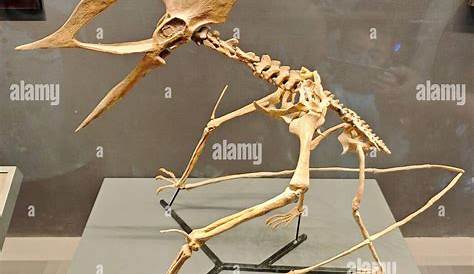
If you're a paleontology enthusiast, Tethydraco is a fascinating genus of prehistoric reptiles worth your attention. This unique pterosaur, which lived during the Late Cretaceous period around 85 million years ago, showcases distinct adaptations and plays a significant ecological role. Studying Tethydraco enhances our understanding of pterosaur evolution and the ecosystems they inhabited, enriching the broader narrative of prehistoric life.
What is Tethydraco and why is it significant?
Tethydraco is a genus of pterosaur that lived during the Late Cretaceous, specifically around 85 million years ago. It is part of the family Pterosauria, known for flying reptiles with wings formed by a membrane of skin. Tethydraco is significant because it represents a specialized lineage of pterosaurs that adapted to a unique ecological niche, contributing to our understanding of the evolutionary pathways of these remarkable creatures and their interactions with contemporary fauna.
Where did Tethydraco live and when?
Tethydraco thrived in regions of Europe that were once submerged under the Tethys Sea, a vast ocean during the Mesozoic era. Fossil evidence suggests that Tethydraco inhabited coastal environments, likely hunting for fish and other marine life. This habitat featured warm, shallow waters rich in biodiversity, ideal for a pterosaur to flourish. Living around 85 million years ago places Tethydraco in the Late Cretaceous, a period marked by a variety of unique prehistoric reptiles.
What makes Tethydraco different from other reptiles?
Tethydraco sets itself apart from other reptiles, especially contemporary pterosaurs, through its distinct morphological features. Its skull structure indicates a specialized feeding strategy, likely involving a long, narrow snout efficient for catching fish. Unlike larger pterosaurs that relied on soaring flight, Tethydraco appears to have been more agile, suited for maneuvering in coastal waters. This contrasts with other pterosaurs like Pteranodon, which had broader wings adapted for long-distance gliding. Tethydraco's adaptations underscore the diversity within the pterosaur group and their varying ecological roles.
What have recent discoveries revealed about Tethydraco?
Recent fossil discoveries have provided insights into Tethydraco's anatomy and lifestyle. New specimens have revealed details about its wing structure and potential coloration, suggesting features that may have aided in camouflage or communication. Ongoing research examines the environmental factors influencing its evolution, such as climate changes during the Late Cretaceous. These findings enhance our understanding of pterosaur diversity and their responses to ecological pressures, illustrating how these creatures lived and thrived in their environments.
How can I learn more about Tethydraco and related topics?
If you're interested in learning more about Tethydraco and other prehistoric reptiles, there are various resources available. Books like "The Complete Pterosaur" by Mark P. Witton offer comprehensive insights into pterosaur biology and diversity. Online databases such as The Paleobiology Database provide detailed fossil records and research papers. Museums with paleontology exhibits often feature information on pterosaurs, while documentaries on prehistoric life can also be informative. Engaging with these materials will deepen your understanding of Tethydraco and its significance in the context of prehistoric reptiles.
Conclusion
To start your exploration of Tethydraco, focus on specialized paleontology books and reputable online resources. With a wealth of information available, prioritize sources that discuss pterosaur evolution and ecology for a comprehensive understanding. Ultimately, this will help you feel confident discussing Tethydraco's significance and unique features among prehistoric reptiles, enriching your conversations with fellow enthusiasts.
Frequently Asked Questions
What does the name Tethydraco mean?
The name Tethydraco translates to 'Tethys dragon,' reflecting its association with the Tethys Sea and its classification as a pterosaur.
How big was Tethydraco?
Tethydraco was relatively small compared to some other pterosaurs, with estimated wingspans ranging from about 1 to 3 meters. This size would have allowed it to be agile in its coastal habitat.
Is Tethydraco related to other famous pterosaurs?
Yes, Tethydraco is part of the larger group of pterosaurs, which includes well-known genera like Pteranodon and Quetzalcoatlus. However, Tethydraco represents a more specialized lineage adapted to specific ecological niches.
What did Tethydraco eat?
Tethydraco is believed to have primarily fed on fish and other marine organisms, using its specialized snout to catch prey in the coastal waters it inhabited.
Where can I find Tethydraco fossils?
Fossils of Tethydraco have primarily been found in Europe, particularly in regions that were once part of the Tethys Sea. Museums in Europe may have exhibits featuring these fossils.