Understanding Tally Marks: A Simple Way to Count
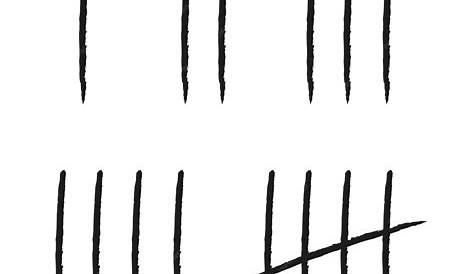
Tally marks are a simple and effective way to track scores and counts, making them ideal for students preparing for a math exam. They consist of a series of lines that represent numbers and have been used throughout history for counting due to their visual clarity. By mastering tally marks, you can quickly record information without needing complicated tools, which is especially useful for informal tasks like tracking study sessions or game scores.
What are tally marks and why use them?
Tally marks are a counting system where each vertical line represents one count. When you reach five, you draw a diagonal line crossing through the previous four lines, creating a group. This grouping simplifies counting larger numbers at a glance. Tally marks are advantageous because they require no special tools; you can jot them down on paper or even in the air if necessary. Historically, they date back to ancient times, used for counting livestock, trade items, or maintaining records in various societies. Their effectiveness stems from their visual appeal, which helps prevent counting errors, especially when tracking multiple items. This intuitive method is accessible to people of all ages, which is why tally marks remain popular for simple counting tasks today.
How do I make and read tally marks?
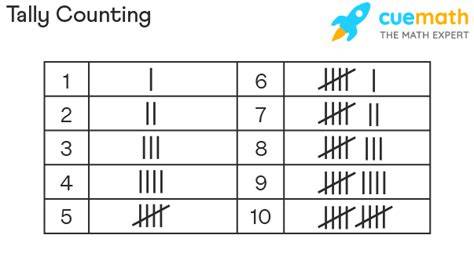
Creating tally marks is easy. Start by drawing a vertical line for each count. For every fifth count, draw a diagonal line crossing through the previous four vertical lines, forming a group of five. For example, if you counted seven items, you would draw two groups of five with two additional vertical lines beside them. Reading tally marks is just as straightforward; each group of five provides a quick visual reference. Count the complete groups of five and then add any remaining marks. Keeping your tally marks organized is crucial to avoid confusion. A common mistake is failing to group the marks properly, which can lead to miscounts. Drawing too many individual lines without grouping them makes it harder to read at a glance.
Where can I use tally marks in everyday life?
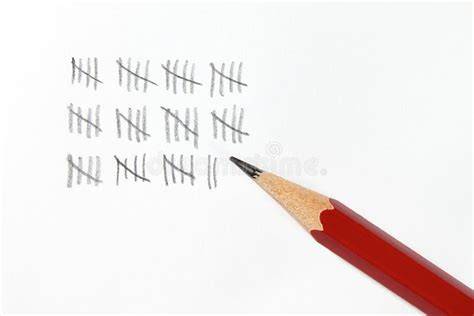
Tally marks are versatile and can be used in various everyday situations. For instance, you can keep score in board games or sports, track the number of times you complete a task like studying or exercising, or monitor how many glasses of water you drink each day. If you want to track your daily reading habits, you could draw a tally mark for each chapter you read, providing a clear visual representation of your progress. Additionally, tally marks can help you count items like groceries while shopping or record attendance in class. Their simplicity allows you to quickly note counts without needing a calculator or app, making them ideal for quick, informal tracking.
What common mistakes should I avoid with tally marks?
When using tally marks, be mindful of a few common mistakes. A frequent error is miscounting the marks, particularly if you don’t group them properly. If you draw too many individual lines without making the fifth line a diagonal crossing, it can become confusing. Consistency is also key; switching between different styles of tally marks can lead to misunderstandings. Ensure you have a clear and designated space for your tally marks to avoid clutter, which can hinder readability. Taking a moment to double-check your tally marks can help you avoid errors.
How to transition from tally marks to other counting methods?
Tally marks serve as a solid foundation for learning more advanced counting methods. Once you're comfortable with tallying, consider transitioning to a spreadsheet or a digital app for more complex tasks. For example, if you're tracking your study hours, start with tally marks for a visual sense of your time spent, then input those numbers into a spreadsheet to analyze your study patterns over time. This transition helps you learn to organize data and understand concepts like averages or trends. Use tally marks as a stepping stone; they offer a simple way to build your counting skills before moving on to more sophisticated tools.
Conclusion
To start using tally marks, grab a piece of paper and practice drawing them as you count items around you. Focus on grouping your marks correctly and reading them accurately. Once you feel confident, apply tally marks to various aspects of your daily life, like tracking habits or scores. Aim for a clear system that helps you visualize your counts without confusion, making tally marks a valuable tool in your counting toolkit.
Frequently Asked Questions
What do tally marks represent?
Tally marks represent a count of items or occurrences. Each vertical line typically represents one count, and when you reach five counts, you draw a diagonal line across the previous four to group them together.
How can I use tally marks effectively?
To use tally marks effectively, draw vertical lines for each count and group them in sets of five to simplify counting. This visual grouping allows for quick assessments of larger numbers.
Can tally marks be used in digital formats?
Yes, tally marks can be adapted for digital formats. You can use symbols or create tally mark graphics in spreadsheets to represent counts visually, just as you would on paper.
Are there any limitations to using tally marks?
While tally marks are great for simple counting, they may not be practical for very large numbers or complex data analysis. In such cases, it’s advisable to transition to digital tools or more advanced counting methods.
How do I avoid mistakes when using tally marks?
To avoid mistakes with tally marks, ensure you group your marks consistently and check your counts regularly. Keeping your marks organized and using a designated space can also help prevent confusion.