Understanding Speculation: How It Impacts Investments

Speculation is a practice that can significantly influence your financial decisions as an investor. It involves purchasing assets based primarily on the expectation of future price changes rather than their intrinsic value. While speculation can lead to rapid profits, it is also associated with substantial risks and potential losses, making it essential to understand how it differs from traditional investing.
What exactly is speculation?
Speculation is the act of buying an asset with the hope that its price will rise, enabling you to sell it for a profit. Unlike traditional investing, which focuses on long-term performance and the fundamentals of a company or asset, speculation targets short-term price movements. For instance, in the stock market, an investor might acquire shares of a company after hearing rumors of an upcoming product launch, anticipating a quick price increase. In real estate, a speculator might purchase a property in a developing area, betting on rapid growth to inflate its value. The main difference is the intent: investors typically seek to build wealth steadily through stable returns, whereas speculators aim for swift profits based on market trends or events.
How does speculation affect market prices?
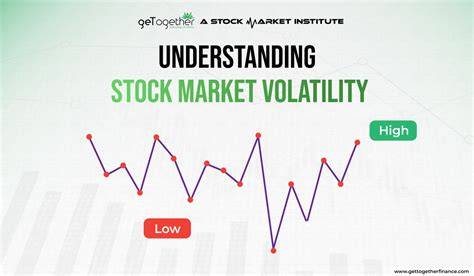
Speculative activities can lead to significant price volatility across various markets. When many investors jump on a trend, prices can soar, creating bubbles. A well-known example is the housing bubble of the mid-2000s, where speculators drove demand by buying homes not for living but for resale at higher prices. This resulted in inflated home values, and when the market corrected, many speculators faced severe losses, contributing to the financial crisis of 2008. Additionally, price volatility can swing in the opposite direction; when speculation cools, prices can drop swiftly, leaving investors vulnerable. Understanding these dynamics is crucial for assessing risks and identifying opportunities in any market.
What are the risks involved in speculation?
Speculation carries higher risks than traditional investing. One of the primary dangers is the potential for financial loss; if the market shifts against you, the value of your speculative investments can decline quickly. Market manipulation is another risk, where individuals or groups may artificially inflate prices to profit at your expense. For example, during the dot-com bubble, many investors lost significant sums when companies that seemed promising based solely on hype ultimately collapsed. Additionally, the emotional strain of speculation can be considerable, as the stress of rapid price fluctuations can impair judgment and lead to poor decision-making. It’s essential to recognize these risks before engaging in speculative investments.
Who should engage in speculation?
Speculation might be suitable for certain investors, particularly those with a higher risk tolerance. If you are comfortable with the possibility of losing money and can afford to take those risks, speculation may fit into your investment strategy. Active traders often engage in speculation, leveraging short-term price movements for profit. However, a solid understanding of the market and readiness for volatility are crucial. Speculation may not be appropriate for conservative investors or those depending on their investments for essential expenses. Clearly defining your financial goals and risk tolerance can help you determine whether speculation aligns with your overall investment approach.
What practical steps can I take if I want to speculate?
If you're considering entering the world of speculation, start with comprehensive research. Familiarize yourself with market trends and the assets you are interested in. Stay informed about news and events that could influence prices. Establishing clear entry and exit points can help you manage your investments effectively. Additionally, consider using stop-loss orders to protect against significant losses. Diversifying your speculative investments can also help mitigate risks; avoid concentrating all your capital in one asset. Finally, developing a disciplined approach to your trades can help you avoid emotional decision-making, which is vital in the often-chaotic landscape of speculation.
Conclusion
To speculate wisely, focus on educating yourself about the markets you're interested in and develop a clear strategy. Start small to test your approach and avoid overextending your finances. Pay attention to market signals while remaining grounded in your research. A successful outcome not only involves making a profit but also learning from your experiences to inform future decisions.
Frequently Asked Questions
What is the difference between speculation and investing?
Speculation targets short-term price movements, purchasing assets with the expectation of quick profits, while investing generally involves buying based on intrinsic value and potential long-term growth.
Can speculation lead to guaranteed profits?
No, speculation involves significant risks and may result in losses. Although there are opportunities for quick profits, the market can be unpredictable, and many speculators face substantial financial setbacks.
What types of assets can be speculated on?
Speculation can occur across various markets, including stocks, real estate, commodities, and cryptocurrencies. Each market has unique dynamics and risks, making it essential to understand the specifics.
Is speculation suitable for beginners?
Beginners should approach speculation cautiously. It's crucial to understand the associated risks and gain a solid grasp of market dynamics before engaging in speculative trading.
How can I manage risks when speculating?
To manage risks, you can set clear entry and exit points, use stop-loss orders, diversify your investments, and stay informed about market conditions. Developing a disciplined approach is key to avoiding emotional decisions.