Understanding Soft-Kill Weapons in Modern Combat
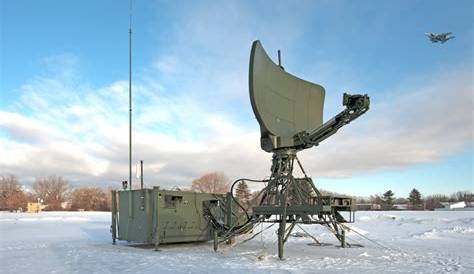
Soft-kill weapons are designed to incapacitate or confuse enemy systems without causing physical destruction. These systems differ from hard-kill methods, which aim to destroy targets outright. Understanding soft-kill technology is essential for analyzing its implications in modern warfare, as it encompasses electronic warfare, decoys, and countermeasures that play significant roles in contemporary combat scenarios.
What exactly is soft-kill technology?
Soft-kill technology refers to methods that incapacitate or neutralize enemy systems without causing physical damage. This includes electronic warfare, which disrupts or deceives enemy sensors and communications. For example, military aircraft deploy flares to distract heat-seeking missiles or use radar jammers to confuse enemy radar systems. These technologies enable military forces to gain tactical advantages while minimizing collateral damage typically associated with hard-kill weapons.
How does soft-kill differ from hard-kill?
The primary difference between soft-kill and hard-kill methods lies in their objectives. Hard-kill systems seek to destroy or damage enemy assets directly, such as missiles or bombs targeting a structure. In contrast, soft-kill systems aim to neutralize threats by misleading or incapacitating them. For instance, soft-kill tactics can spoof signals, confuse targeting systems, or create false targets, preventing enemy forces from effectively engaging friendly assets. The choice between these methods often depends on the desired outcome; soft-kill techniques are particularly beneficial when the goal is to reduce collateral damage or avoid escalation.
What are some real-world examples of soft-kill in action?
Soft-kill technology has been effectively utilized in recent conflicts. During the Gulf War, U.S. forces employed electronic warfare systems to disrupt Iraqi radar and communications, facilitating more effective air operations without direct confrontation. More recently, Israel's Iron Dome defense system incorporates soft-kill capabilities, using electronic countermeasures to intercept and neutralize incoming threats without necessarily destroying them. Additionally, decoy drones that mimic real aircraft mislead enemy surface-to-air missile systems, showcasing how soft-kill methods can turn the tide in critical engagements.
What are the advantages of using soft-kill systems?
Soft-kill systems provide several strategic advantages. One significant benefit is cost-effectiveness; soft-kill measures often require less investment compared to hard-kill systems, which can involve expensive missiles or bombs. Moreover, soft-kill tactics help minimize collateral damage, preserving infrastructure and reducing civilian casualties—an increasingly important consideration in modern warfare. They also offer greater operational flexibility, enabling forces to adapt quickly to evolving threats without resorting to lethal force. This adaptability can lead to more sustainable military engagements and foster a more favorable public perception.
What challenges and limitations does soft-kill face?
Despite their advantages, soft-kill systems have challenges. One key limitation is their effectiveness; soft-kill methods often depend on the technology and tactics employed by the enemy. If an adversary has advanced countermeasures or operates in a manner that negates these tactics, the benefits of soft-kill strategies can diminish. Additionally, the complexity of modern warfare makes integrating soft-kill systems into existing military frameworks difficult. There’s also the risk of becoming overly reliant on these technologies, which may lead to vulnerabilities if hard-kill options are not adequately maintained.
Conclusion
To gain a comprehensive understanding of soft-kill weapons, familiarize yourself with the various systems currently in use, especially in recent conflicts. Consider their strategic applications and advantages while remaining aware of their limitations and challenges. A nuanced grasp of these systems will enhance your analysis of modern military operations and inform your assessment of their implications for future conflicts.
Frequently Asked Questions
What are some common soft-kill weapons?
Common soft-kill weapons include electronic warfare systems, radar jammers, decoys, and flares, which are designed to confuse or disrupt enemy targeting and detection capabilities.
How effective are soft-kill methods in modern warfare?
Soft-kill methods can be quite effective, especially when exploiting the vulnerabilities of enemy systems. However, their success largely depends on the sophistication of both the soft-kill technology and the adversary's countermeasures.
Are there any downsides to using soft-kill technology?
Yes, soft-kill technology can have downsides, including potential inefficiency against advanced enemy systems and the risk of over-reliance on these tactics, which can create vulnerabilities.
Can soft-kill systems be used in conjunction with hard-kill methods?
Absolutely, soft-kill systems can complement hard-kill methods by disrupting enemy defenses, facilitating easier engagement for hard-kill systems.
Is soft-kill technology only used by advanced militaries?
While advanced militaries are more likely to employ sophisticated soft-kill technologies, many nations recognize their strategic advantages and are developing or acquiring such systems to enhance military capabilities.