Understanding Richard Landes and His Influence on History
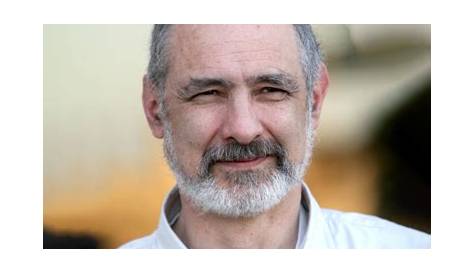
If you're researching historical narratives, it's essential to understand Richard Landes and his contributions. Landes explores how memory and narrative shape our perception of history and current events. His work is particularly relevant today as public discourse grapples with misinformation and varying interpretations of the past.
Who is Richard Landes and why should I care?
Richard Landes is a historian and scholar specializing in the relationship between memory and historical narratives. He has taught at Boston University, influencing many students and scholars. Landes is best known for his exploration of how memory shapes public perception and understanding of historical events. His theories are crucial for grasping how narratives are constructed and the effects they have on societies. In an era where history is often contested, his insights into the interaction between memory and narrative are invaluable for anyone engaged in the study of history or public discourse.
What are the main theories proposed by Landes?
One of Landes' key theories focuses on memory as a narrative framework that shapes our understanding of history. He argues that memory is selective and can be manipulated to fulfill specific societal or political needs. Additionally, he distinguishes between historical narratives and collective memory. While historians aim for objectivity, collective memory is influenced by cultural, emotional, and social factors, leading to varying interpretations of the same events. This distinction is vital for analyzing how societies remember their pasts, as it reveals potential conflicts between factual history and perceived memory. Landes' work contributes significantly to discussions about the impact of memory on historical narratives, which is critical for understanding contemporary issues.
How does Landes' work relate to current events?
Landes' theories are highly relevant today, particularly in discussions about misinformation and the public's understanding of history. For example, during debates over contentious historical events such as colonialism or the Holocaust, different groups often present conflicting narratives. Landes' ideas clarify why these narratives can diverge significantly: each group's collective memory may emphasize different aspects of history to reinforce their identity or political stance. His work also highlights how social media amplifies these narratives, facilitating the spread of misinformation and allowing various factions to reinterpret historical events.
What criticisms has Landes faced in his career?
Despite his contributions, Landes has faced criticism regarding his interpretations of historical events and his approach to collective memory. Some scholars argue that his focus on memory may overshadow the importance of objective historical methods. Others believe his theories might oversimplify complex historical narratives, diminishing the richness of diverse perspectives. Landes has also engaged in controversial discussions about topics such as the Crusades and their modern implications, which have garnered both support and backlash. Addressing these criticisms provides a more nuanced understanding of his work and its implications.
How can I apply Landes' ideas to my own research?
To integrate Landes' theories into your research, examine how memory influences the narratives you are studying. Utilize his framework to analyze both contemporary issues and historical events, considering how different groups construct their narratives and what memories they prioritize. Suggested readings include Landes’ books on memory and historical narratives. Additionally, methodologies that focus on both primary sources and collective memory can enhance your analysis. By applying Landes’ insights, you can achieve a comprehensive understanding of how history is remembered and interpreted.
Conclusion
To start your exploration of Richard Landes, read his foundational texts on memory and historical narratives. Avoid overly simplistic interpretations of his work; instead, focus on the complexities of how memory shapes public perception. This approach will lead to a nuanced understanding of historical narratives, enabling you to engage thoughtfully in discussions about history and contemporary issues.
Frequently Asked Questions
What is Richard Landes known for?
Richard Landes is known for his research on historical narratives and the relationship between memory and history. His theories examine how societies construct their pasts and how collective memory affects public perception.
How does memory influence historical narratives according to Landes?
Landes argues that memory is selective and can be manipulated to serve various societal or political needs. This manipulation often results in differing interpretations of historical events, as collective memory may prioritize certain aspects over others.
What are some criticisms of Richard Landes' theories?
Critics suggest that Landes' focus on memory may minimize the significance of objective historical methods. Some also contend that his theories can oversimplify complex narratives, reducing the richness of diverse historical perspectives.
How can Landes' ideas be applied to current events?
Landes' theories can be applied to current events by analyzing how different groups construct narratives around controversial issues, such as colonialism or historical atrocities. His work helps explain the divergence in perspectives and the role of misinformation in shaping these narratives.
What should I read to understand Landes' work better?
To better grasp Landes' contributions, seek out his books on memory and historical narratives, which provide important insights into his theories and methodology. Engaging with both his writings and the critiques of his work will offer a well-rounded perspective.