Understanding Radiant Energy: Its Impact on Daily Life
Radiant energy is a form of energy that travels through space as electromagnetic waves. It includes various types such as visible light, infrared radiation, and ultraviolet light. This energy surrounds us, playing a crucial role in everything from the warmth we feel on a sunny day to how microwaves heat our food.
What exactly is radiant energy?
Radiant energy is a type of energy that travels through space as electromagnetic waves, which can differ in wavelength and frequency. The most familiar forms are visible light, which we can see, and infrared radiation, which we perceive as heat. Other types include ultraviolet light and radio waves. All these forms can move through a vacuum, allowing sunlight to reach Earth across vast distances. Radiant energy is closely linked to thermal radiation, the energy emitted by objects based on their temperature; hotter objects emit more radiant energy than cooler ones. Understanding radiant energy provides insight into many natural phenomena and technological applications, particularly in energy transfer and environmental science.
Where do we see radiant energy in everyday life?
Radiant energy is present in many aspects of daily life. Sunlight is a primary example, warming the Earth and providing essential light for life. When you step outside on a sunny day, the heat you feel on your skin comes from the radiant energy emitted by the sun. Another common example is the microwave oven, which uses microwaves—a specific type of radiant energy—to heat food quickly by agitating water molecules. If you've used a remote control, you've experienced infrared radiation, which sends signals to your devices. These examples highlight how radiant energy is integral to both natural processes and everyday technology.
How does radiant energy play a role in renewable energy?
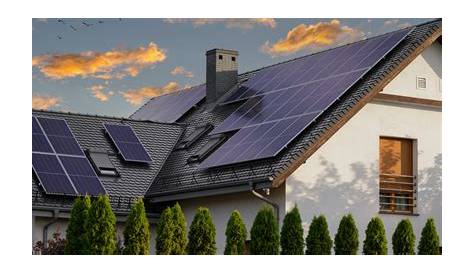
Radiant energy is essential for renewable energy sources, particularly solar power. Solar panels capture sunlight, which is radiant energy, and convert it into electricity. When sunlight strikes the solar cells, it excites electrons, generating an electric current for powering homes and devices. This process harnesses a renewable resource and reduces reliance on fossil fuels. Additionally, solar thermal systems use radiant energy to heat water or spaces. By capturing and converting radiant energy, we can produce clean energy, making it vital for sustainable energy solutions. While solar energy is a significant focus, radiant energy also influences wind and hydroelectric power systems, affecting weather patterns and water cycles.

What are some common misconceptions about radiant energy?
Many people mistakenly equate radiant energy with thermal energy, believing they are the same. While both relate to heat, radiant energy specifically refers to energy traveling as electromagnetic waves, whereas thermal energy is the internal energy of an object due to particle motion. Another misconception is that radiant energy only includes visible light. In reality, it encompasses a broader spectrum of electromagnetic waves, including ultraviolet and infrared radiation. Some might think radiant energy is only relevant in scientific contexts, but its effects are present in everyday life, from the warmth of a campfire to the operation of household appliances.
How can I experiment with radiant energy at home?
You can experiment with radiant energy using simple materials at home. One fun project is creating a solar oven. Take a cardboard box, line the inside with aluminum foil, and place a piece of black paper at the bottom. Cut a flap in the lid, cover it with plastic wrap, and position it in direct sunlight. The sunlight will be trapped by the black paper, heating the air inside and creating a mini-oven. You can use this setup to heat simple foods like s'mores or nachos. Another experiment is to observe how different materials absorb or reflect sunlight. Place various objects in the sun and note how quickly they heat up. This will help you understand how radiant energy interacts with different surfaces.
Conclusion
To explore radiant energy further, pay attention to its effects in your surroundings. Notice how sunlight warms various surfaces or how appliances like microwaves operate. Instead of getting lost in complex theories, focus on practical examples around you. Conduct simple experiments to see radiant energy in action and enjoy the learning process through observation and hands-on activities.
Frequently Asked Questions
What is an example of radiant energy?
An example of radiant energy is sunlight, which consists of electromagnetic waves that provide light and warmth to the Earth. Other examples include infrared radiation from heat sources and microwaves used in cooking.
How does radiant energy affect the environment?
Radiant energy from the sun is essential for life on Earth, driving processes like photosynthesis in plants and influencing weather patterns. It also plays a significant role in warming the planet.
Is radiant energy the same as heat?
No, radiant energy is not the same as heat. Radiant energy refers to energy transmitted through electromagnetic waves, while heat is a form of energy related to the motion of particles in a substance.
Can we see radiant energy?
We can only see a small part of radiant energy, specifically the visible light spectrum. Other forms, like infrared and ultraviolet radiation, are not visible to the naked eye but still have significant effects.
How do solar panels use radiant energy?
Solar panels use radiant energy by capturing sunlight and converting it into electricity. The sunlight excites electrons in the solar cells, creating an electric current that can be utilized for power.