Understanding Prehistoric Planet: The Science Behind the Series
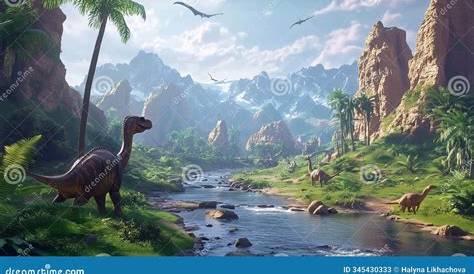
If you just finished watching 'Prehistoric Planet' and are eager to learn about the science behind it, you're in the right place. This series captivates viewers with its stunning visuals and realistic depictions of dinosaurs, while grounding its storytelling in scientific research. By combining advanced technology with the latest paleontological findings, 'Prehistoric Planet' offers an engaging experience that highlights dinosaur behavior, habitats, and interactions.
What is 'Prehistoric Planet' about?
The creators aimed to present these ancient animals through a lens of scientific understanding, making the series both visually impressive and informative. They relied on current paleontological discoveries to shape the script and visuals, crafting a narrative that aligns with contemporary science while maintaining entertainment value.
How do they recreate dinosaur behavior?
Recreating dinosaur behavior involves significant speculation due to the limitations of the fossil record. Although the series aims for accuracy, some behaviors are inferred from limited evidence, which means they might not be entirely accurate.
What scientific experts contributed to the series?
The involvement of paleontologists and other experts allowed the series to explore more intricate topics, such as the social structures of certain dinosaur species. This collaboration is essential for blending entertainment with education, ensuring that the content viewers see is backed by the most reliable science.
What are the major inaccuracies viewers should know?
Many viewers might assume that all dinosaurs were fast-moving predators, but the truth is more nuanced. Some species were likely slow and lumbering, while others were agile. These complexities can be challenging to convey in a dramatic format, often leading to oversimplifications that can mislead viewers.
How can I learn more about prehistoric life after watching?
If you're interested in exploring prehistoric life further after watching 'Prehistoric Planet', there are plenty of resources available. Books like "The Dinosaur Artist" by Paige Williams and "The Rise and Fall of the Dinosaurs" by Steve Brusatte offer engaging narratives and insights into paleontology. Documentaries such as 'Walking with Dinosaurs' and 'Planet Dinosaur' provide different storytelling styles about prehistoric life. Additionally, visiting natural history museums or accessing their online resources can enhance your understanding through various exhibits and educational programs.
Conclusion
To deepen your knowledge of paleontology and the lives of dinosaurs, consider exploring the recommended books or documentaries. Pay attention to the differences between scientifically supported information and what is dramatized for entertainment purposes. This approach can foster curiosity and a clearer understanding of the complexities of prehistoric life, enriching your future viewings of similar content.
Frequently Asked Questions
Is 'Prehistoric Planet' suitable for children?
Yes, 'Prehistoric Planet' is suitable for children, as it presents an educational look at dinosaurs in a visually captivating manner. However, parental discretion is advised for younger viewers, as some scenes may be intense.
How long did it take to produce 'Prehistoric Planet'?
The production of 'Prehistoric Planet' involved several years of planning, research, and animation, although specific timelines aren't widely detailed. This effort reflects a dedication to accuracy and high-quality visuals.
Are the dinosaurs in 'Prehistoric Planet' based on real fossils?
Yes, the dinosaurs depicted in 'Prehistoric Planet' are based on real fossils and current scientific understanding. The series relies on the latest paleontological research to inform its portrayals.
Can I find more information about the scientific aspects of 'Prehistoric Planet'?
Yes, you can find additional scientific information through the series' official website, which often features behind-the-scenes content and interviews with experts. Academic articles and books on paleontology also provide deeper insights.
What age period does 'Prehistoric Planet' focus on?
'Prehistoric Planet' primarily focuses on the Late Cretaceous period, which is roughly 66 million years ago, showcasing a variety of dinosaur species and their environments during that time.