Understanding Pallas: The Myth and the Asteroid
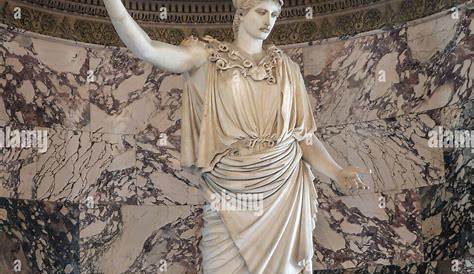
Pallas is a multifaceted term that refers to both a significant figure in Greek mythology and a notable asteroid in astronomy. In mythology, Pallas is most commonly associated with the goddess Athena, symbolizing wisdom and warfare. In astronomy, Pallas is one of the largest asteroids in the asteroid belt, located between Mars and Jupiter, making it an intriguing subject for study.
What is Pallas in mythology?
In Greek mythology, Pallas is primarily associated with Athena, the goddess of wisdom, warfare, and crafts. The term 'Pallas' means 'maiden' or 'young woman,' reflecting Athena's youthful attributes. One popular myth tells how Athena accidentally killed her friend Pallas during a friendly sparring match. To honor her fallen friend, Athena took on the name Pallas and created the Palla, a protective cloak that symbolizes her strength and wisdom.
Athena is often depicted with symbols representing her attributes, such as the owl, which signifies wisdom, and the olive tree, representing peace and prosperity. In art, she is shown wearing armor, emphasizing her warrior aspect, while embodying intelligence and strategy. The duality of Pallas Athena highlights the balance between strength and wisdom, a theme that resonates throughout Greek mythology and continues to influence modern interpretations of female power and intellect.
What is the asteroid Pallas?
The asteroid Pallas is one of the largest asteroids in the asteroid belt, situated between Mars and Jupiter. It was discovered on March 28, 1802, by German astronomer Heinrich Wilhelm Olbers. Pallas has a diameter of approximately 512 kilometers (about 318 miles), making it the second-largest asteroid after Ceres.
Pallas has an irregular orbit, taking about 4.6 years to complete a single revolution around the Sun. This orbit is tilted relative to the plane of the solar system, causing it to diverge from the usual paths of other asteroids. This characteristic makes studying Pallas particularly interesting for astronomers. Its surface is thought to be composed of a mixture of silicate rock and possibly water ice, hinting at its complex history and composition.
Unlike many asteroids, Pallas may have a differentiated structure, similar to larger planetary bodies. This feature makes it a valuable target for scientific studies, providing insights into the early solar system and the formation of larger celestial bodies.
How does Pallas influence modern culture?
Pallas has significantly impacted culture across literature, art, and even modern pop culture. References to Pallas Athena appear in works by authors like Homer and Shakespeare, highlighting her wisdom and strength. For instance, in "The Iliad," Athena plays a crucial role in guiding heroes and influencing battles, showcasing her divine authority.
In art, Pallas Athena has been a popular subject for painters and sculptors throughout history, often depicted as a powerful yet graceful figure adorned with armor and holding her sacred symbols. Modern interpretations of Pallas Athena continue to appear in various media, including films and video games, where her character often represents intelligence and strategic thinking.
In popular culture, Pallas is sometimes used metaphorically to describe a woman who embodies wisdom and strength, reflecting Athena's enduring legacy. The name "Pallas" frequently appears in various contexts, emphasizing attributes associated with the ancient goddess.
What are the scientific studies related to Pallas?
Current research related to asteroid Pallas focuses on its composition, structure, and potential for understanding the early solar system. Missions targeting asteroids often include Pallas due to its size and unique characteristics. Astronomers use telescopes to study its surface features and analyze mineral composition, providing clues about the materials that formed the early solar system.
One area of interest is the possibility of water ice on Pallas, which could help scientists understand the distribution of water in the solar system. As researchers study similar asteroids, they aim to gather data that could inform future missions focused on asteroid mining or planetary defense.
Additionally, researchers are exploring future spacecraft missions to visit Pallas, which could allow for direct analysis of its surface and yield more detailed information about its history and formation. Ongoing studies of Pallas enhance our knowledge of celestial bodies and their role in the solar system.
How can I learn more about Pallas?
To learn more about Pallas, you can explore various resources covering its mythological and astronomical aspects. For mythology, classic texts like "The Iliad" or works by authors such as Ovid provide insights into Pallas Athena's character. Scholarly articles and books on Greek mythology will deepen your understanding of her significance.
For astronomical information, websites like NASA and the European Space Agency offer up-to-date details on asteroids, including Pallas. Scientific journals often publish research findings relating to asteroid studies, providing technical insights into Pallas and similar celestial bodies. Popular science books about the solar system may also have chapters dedicated to asteroids, helping you connect the dots between mythology and science.
Conclusion
You can begin your exploration of Pallas by focusing on either its mythological roots or its astronomical significance, depending on your project's requirements. It may be enriching to examine how these two aspects intersect in modern culture. Consider what interests you more—mythology or astronomy—and pursue that angle to gain a deeper understanding of Pallas's influence on both historical narratives and scientific inquiries.
Frequently Asked Questions
What is the origin of the name Pallas?
The name Pallas comes from the Greek word meaning 'maiden' or 'young woman,' reflecting the attributes of Athena, who is often associated with wisdom and warfare. It emphasizes her youthful strength and protective qualities.
Is Pallas the same as Athena?
Pallas is often used interchangeably with Athena in mythology, especially because Athena adopted the name Pallas after the death of her friend Pallas. However, Pallas refers specifically to aspects of her character related to wisdom and battle.
What is unique about the asteroid Pallas?
Pallas is unique due to its size and irregular orbit compared to other asteroids. It is the second-largest asteroid in the belt and may have a differentiated structure, indicating a complex internal composition.
Has Pallas been explored by spacecraft?
As of now, Pallas has not been directly visited by any spacecraft. However, it is a target for future missions due to its interesting features and potential to provide insights into the early solar system.
Where can I find more information about Pallas?
You can find more information about Pallas in classic texts on Greek mythology, scientific articles from astronomy journals, and websites like NASA, which provide detailed data on asteroids and space missions.