Understanding the Modern Woman: Empowerment and Identity
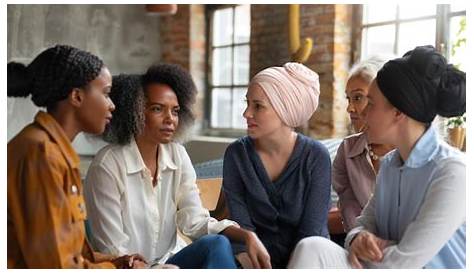
Understanding what it means to be a woman involves exploring empowerment, identity, and the challenges that persist in society. Women today are defining their roles in diverse ways, asserting their identities while confronting obstacles that have existed for generations. This journey towards empowerment is not a solitary one; it thrives in a community of women who support and uplift one another, creating a foundation for a more equitable society.
What does being a woman mean today?
Being a woman today involves embracing a complex identity shaped by culture, personal experiences, and societal expectations. Women are stepping into roles as leaders, innovators, and advocates, challenging stereotypes and asserting their presence in male-dominated spaces. While this evolution reflects progress, it also presents challenges, such as balancing professional ambitions with societal pressures related to family and relationships. The definition of womanhood is fluid, and you may resonate with various aspects of this identity, whether embracing femininity, rejecting traditional norms, or championing women's rights. This journey is not uniform; it varies significantly across cultures and communities, underscoring the importance of a nuanced understanding of womanhood today.
What challenges do women face in the workplace?
Women face numerous challenges in the workplace that can impede career advancement. Gender bias continues to be a major issue, often evident in assumptions about a woman’s abilities or commitment based solely on her gender. Many women experience microaggressions in meetings or are overlooked for promotions. Achieving work-life balance is another significant challenge, especially for mothers and caregivers who manage both professional responsibilities and family demands. Wage gaps remain a concern, with women frequently earning less than their male counterparts in similar roles. These challenges are compounded by societal expectations to excel in both personal and professional spheres, creating unique pressures. Context varies widely, with factors such as industry, geography, and personal circumstances influencing these experiences.
How can women support each other?
Support among women is essential for overcoming the many challenges they face. Creating a network where women uplift one another fosters a strong sense of community. You can connect with women in your field, engage in mentorship programs, or join local organizations focused on women’s empowerment. Many women find value in networking groups that promote professional growth and collaboration. Initiatives like women-focused workshops and conferences serve as platforms for sharing experiences and resources. Solidarity can manifest in various ways, from listening to a friend’s struggles to advocating for workplace policies that benefit women. The goal is to cultivate environments where women feel safe to share their challenges and celebrate their successes, amplifying voices that are often unheard and contributing to lasting change.
What are the key areas of empowerment for women?
Empowerment for women can be nurtured in several essential areas. Education is foundational; acquiring knowledge and skills can open doors to new opportunities and bolster self-confidence. Pursuing further education or training aligned with your interests and career aspirations can be beneficial. Leadership is another critical area, as women in leadership roles can shape policies and foster inclusive workplaces. Actively seeking leadership positions, whether in your job, community, or through volunteer work, paves the way for future generations. Mental health is also vital for empowerment. Prioritizing mental well-being through self-care, therapy, or community support enhances resilience and clarity in decision-making. These areas are interconnected; when women invest in themselves and support one another, their collective impact can drive significant societal change.
How can I get involved in women's advocacy?
Getting involved in women's advocacy is both rewarding and impactful. Start by researching local organizations that focus on women's rights and gender equality; many welcome volunteers for various initiatives. You can participate in awareness campaigns or community events that highlight women's issues. Engaging in discussions on social media and sharing relevant content can help raise awareness about women's rights. Additionally, advocating for policy changes at local or national levels—such as contacting representatives about issues that matter to you—can make a difference. Supporting women-run businesses or those prioritizing gender equality is another way to contribute. Every action counts, no matter how small, and your involvement can help create a more equitable society for all women.
Conclusion
To start your journey towards understanding and supporting women's empowerment, reflect on your own identity and the challenges you face. Seek local women's groups or initiatives and consider how you can contribute, whether through volunteering or being a supportive friend. Focus on small, actionable steps rather than feeling overwhelmed by the larger issues. A positive outcome will manifest as a stronger sense of community and a deeper understanding of the complexities of womanhood, leading to both personal growth and collective progress.
Frequently Asked Questions
What does it mean to be a woman today?
Being a woman today means navigating a complex identity influenced by personal experiences and societal expectations. It involves embracing roles that may include professional, personal, and activist aspects, reflecting diverse perspectives.
What are common workplace challenges for women?
Common challenges include gender bias, difficulty achieving work-life balance, and wage gaps. These obstacles can affect career advancement and job satisfaction for many women.
How can women empower each other?
Women can empower each other by building supportive networks, sharing resources, and participating in mentorship programs. Solidarity and collaboration can help amplify voices and experiences.
What areas should women focus on for empowerment?
Key areas for empowerment include education, leadership opportunities, and mental health awareness. Investing in these areas can enhance personal growth and societal impact.
How can I support women's rights?
You can support women's rights by volunteering with local organizations, participating in advocacy campaigns, and raising awareness about gender issues in your community.