Understanding Liquid Glass: A Protective Coating
Liquid Glass is a durable protective coating that offers an exceptional shield against scratches, stains, and damage. Composed primarily of silica nanoparticles, it forms a transparent layer that bonds tightly to various surfaces. This innovative solution is ideal for DIY enthusiasts looking to enhance the longevity and appearance of their projects.
What exactly is Liquid Glass?
Liquid Glass, or silica coating, consists mainly of silica nanoparticles. When applied, it creates a thin, resilient film that adheres to the surface of the material. This coating is hydrophobic, meaning it effectively repels water, and it is also resistant to chemicals, UV rays, and extreme temperatures. Its unique properties make it suitable for a wide array of applications, from automotive finishes to electronics and even household items. For example, in the automotive sector, it protects paint jobs from environmental elements while enhancing shine. In electronics, Liquid Glass shields screens from scratches and moisture, thereby extending their lifespan.
Where can I use Liquid Glass effectively?
Liquid Glass boasts a diverse range of applications, making it a versatile choice for various projects. You can use it on car surfaces to protect against environmental damage, such as bird droppings and tree sap that can ruin the finish. It is also suitable for electronics; applying it to your smartphone screen helps prevent scratches and simplifies cleaning. Additionally, consider using it on kitchen countertops to create a stain-resistant surface that is easy to maintain. Other potential applications include outdoor furniture, glass surfaces, and marine settings where it protects boats from saltwater damage. Proper surface preparation is crucial for achieving the best results.
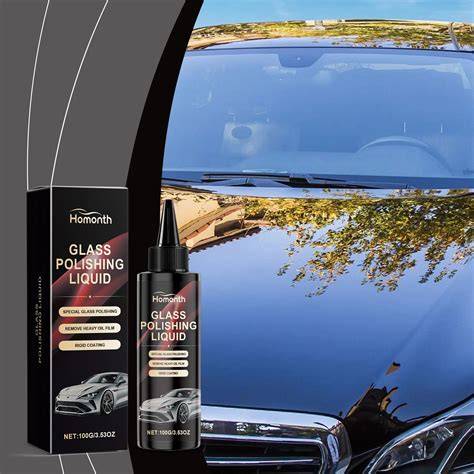
How do I apply Liquid Glass correctly?
Applying Liquid Glass is straightforward but requires careful preparation. Start by thoroughly cleaning the surface you want to treat, ensuring it is free of dirt, grease, or residues. Once the surface is clean and dry, use a microfiber cloth for application. Apply a small amount of Liquid Glass to the cloth and work it into the surface using circular motions for even coverage. Allow it to cure for the recommended time, typically a few hours. For added durability, consider a second coat after the first has cured. Always follow the manufacturer’s instructions for specific curing times and any additional steps for optimal results.
What are the pros and cons of using Liquid Glass?
Liquid Glass offers numerous advantages, including long-lasting protection that can withstand various environmental factors, making it suitable for both indoor and outdoor applications. However, consider the cost, which may be higher than traditional coatings. While it provides excellent scratch and stain resistance, it is not completely impervious to all types of damage, particularly in high-impact situations. Environmental considerations also come into play; while generally safe, the production and disposal of chemical products should be taken into account. Evaluating these pros and cons will help you make an informed decision based on your specific project needs.
How do I maintain surfaces treated with Liquid Glass?
Maintaining surfaces treated with Liquid Glass is relatively simple. Regular cleaning with mild soap and water is usually sufficient to keep the surface looking its best. Avoid harsh chemicals or abrasive scrubbing tools, as they can compromise the coating. If you notice a decline in performance, consider reapplying Liquid Glass every six months to a year, depending on the wear and tear the surface experiences. Keeping the coated surface free from heavy dirt buildup will also help prolong its protective capabilities.
Conclusion
To begin using Liquid Glass, select a project where its protective qualities can be fully utilized. While the cost might be higher, focus on surfaces that require extra care. A successful application not only enhances the appearance of your items but also protects them from damage, ensuring your DIY projects last longer and remain visually appealing for years to come.
Frequently Asked Questions
Is Liquid Glass safe to use on food surfaces?
While Liquid Glass is generally non-toxic once cured, it's advisable to avoid using it on surfaces that will come into direct contact with food. There are food-safe coatings available that might be more suitable for kitchen items.
How long does Liquid Glass last once applied?
The longevity of Liquid Glass can vary based on the application and environmental conditions. Typically, it lasts anywhere from six months to a couple of years, depending on usage and exposure.
Can I use Liquid Glass on painted surfaces?
Yes, Liquid Glass can be applied to painted surfaces, providing an additional layer of protection. Ensure the paint is fully cured before application for optimal bonding.
What happens if Liquid Glass gets wet before curing?
If Liquid Glass gets wet during the curing process, it may not bond properly to the surface. It’s advisable to keep the area dry until the curing time is complete.
Can I remove Liquid Glass once it's applied?
Removing Liquid Glass can be challenging since it forms a strong bond. Typically, it requires polishing or abrasion to remove completely, so consider this before applying.