Understanding John Dewar: The Legacy and Whiskeys You Need to Know
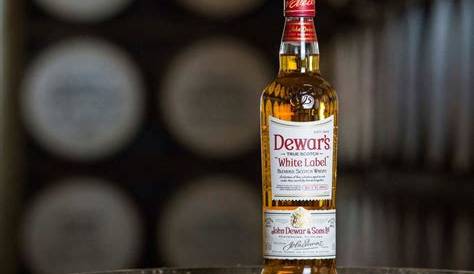
If you're a whiskey enthusiast, understanding the history and offerings of John Dewar's distillery is essential. Founded in 1846 in Aberfeldy, Scotland, Dewar's has become synonymous with quality Scotch whisky, known for its smooth blends and rich flavors. This article will explore the legacy of John Dewar, the various types of whiskies produced, and how to properly taste and appreciate them.
Who was John Dewar and why does he matter?
John Dewar was a pioneering figure in the Scotch whisky industry, establishing his distillery in 1846 in Aberfeldy, Scotland. His vision was to craft a high-quality blended whisky accessible to a broader audience. Dewar's innovative marketing, including the introduction of the iconic white label, helped popularize his whiskies and set new standards in the industry. His commitment to quality and craftsmanship continues to influence the brand today, making John Dewar a significant figure in the history of Scotch whisky.
What types of whiskies does John Dewar produce?
John Dewar's offers a diverse range of whiskies, primarily focusing on blended Scotch. The flagship product, Dewar's White Label, is a smooth blend that balances malt and grain whiskies, appealing to both newcomers and seasoned drinkers. Alongside White Label, Dewar's features several age-stated offerings, including Dewar's 12 Year Old, known for its rich, full-bodied character, and Dewar's 15 Year Old, which showcases deeper flavors with a hint of honey. For those seeking something unique, Dewar's also produces limited editions and premium blends, such as the Double Double series, which highlights a distinctive aging process that enhances complexity. Each expression offers its own flavor profile, ensuring there’s something for every palate.
How should I taste John Dewar's whiskies?
Tasting John Dewar's whiskies can significantly enhance your appreciation of the craft. Start by selecting a clean glass; a Glencairn glass is ideal for whiskey tasting. Pour about an ounce and take a moment to observe the color, which can range from pale gold to deep amber, depending on the expression. Gently swirl the glass to release the aromas, then bring it to your nose. Take a few gentle sniffs to identify the different scents, such as fruit, vanilla, or spices. Next, take a small sip and let it coat your palate, paying attention to the flavors that emerge. Note the balance between sweetness and warmth, and finally consider the finish—the lingering flavors after swallowing. Some whiskies may leave a smooth, sweet aftertaste, while others may have a spicier profile. Remember, tasting is subjective, so take your time to discover what you enjoy.
What food pairings complement John Dewar's whiskies?
Pairing food with John Dewar's whiskies can elevate your tasting experience. For Dewar's White Label, consider lighter dishes like grilled chicken or seafood, as the whiskey's smoothness complements the delicate flavors. Dewar's 12 Year Old, with its richer profile, pairs well with roasted meats or savory cheeses, enhancing both the food and the whisky. If you're enjoying Dewar's 15 Year Old, think about dark chocolate or spiced desserts; the whiskey's complexity can bring out flavors in these treats. For those feeling adventurous, try pairing it with rich, smoky foods like barbecue or smoked salmon. The key is to find a balance where neither the food nor the whiskey overpowers the other.
Where can I find and buy John Dewar's whiskies?
Finding John Dewar's whiskies is relatively straightforward, as they are widely distributed. You can usually find them in liquor stores, supermarkets, and specialty wine and spirit retailers. If you prefer online shopping, many reputable websites offer a range of Dewar's products, often providing delivery options. Some sites may even feature exclusive releases or limited editions not available in stores. Before purchasing, check local regulations regarding alcohol sales, as these can vary by region.
Conclusion
If you're new to the brand, start with Dewar's White Label; it's an excellent introduction to their offerings. As you become more familiar with the flavors, don’t hesitate to explore the age-stated whiskies. Remember to savor the experience and enjoy your journey through the world of John Dewar's whiskies.
Frequently Asked Questions
What is the difference between Dewar's White Label and Dewar's 12 Year Old?
Dewar's White Label is a blended Scotch that offers a smooth and light flavor, making it versatile for various occasions. In contrast, Dewar's 12 Year Old is aged longer, resulting in a richer, more complex profile with deeper notes of honey and vanilla.
Can I use John Dewar's whiskies in cocktails?
Yes, John Dewar's whiskies can be used in cocktails. Dewar's White Label, for example, works well in classic cocktails like the Whisky Sour or Highball, while older expressions are best enjoyed neat or on the rocks.
How should I store John Dewar's whiskies?
Store John Dewar's whiskies upright in a cool, dark place away from direct sunlight. Ensure the cap is tightly sealed to prevent oxidation, which can affect the flavor over time.
Is John Dewar's whisky vegan?
Yes, John Dewar's whiskies are considered vegan as they do not contain any animal-derived ingredients. However, always check the label for any specific additives.
What makes John Dewar's whiskies unique?
John Dewar's whiskies are unique due to their careful blending process, which combines a variety of malt and grain whiskies to create a balanced flavor profile. The brand's long-standing heritage and commitment to quality also contribute to its distinct character.