Understanding Hurricane Jeanne: Its Impact and Lessons
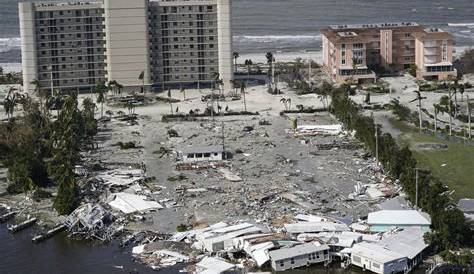
Hurricane Jeanne was a powerful storm that struck in September 2004, causing significant damage across the Caribbean and the southeastern United States. It formed in the Atlantic Ocean and rapidly intensified, resulting in catastrophic effects, particularly in Florida. By examining the timeline of its path, the hardest-hit areas, recovery efforts, and key lessons learned, we can understand how communities can better prepare for future storms.
What happened during Hurricane Jeanne?
Hurricane Jeanne formed on September 13, 2004, in the Atlantic Ocean, developing from a tropical wave that moved across the Caribbean. Initially a relatively weak system, Jeanne quickly intensified as it approached the Bahamas. By September 16, it reached its peak with winds of 120 mph, categorizing it as a strong Category 3 hurricane. After causing destruction in the Bahamas, it made landfall in Florida on September 26, 2004, near Stuart, and then moved across the state. Jeanne was notable for its slow movement, which extended its impact and allowed it to drop heavy rainfall over already saturated areas. The storm dissipated by September 29, but its remnants lingered, causing further flooding and damage in parts of the southeastern U.S. throughout early October.
Which areas were hit hardest?
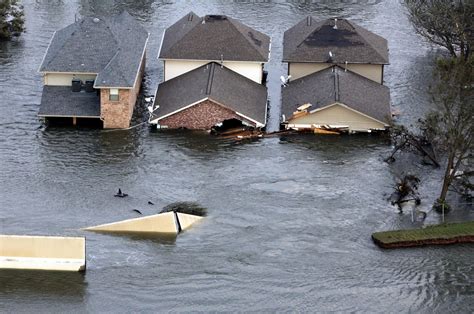
The communities most affected by Hurricane Jeanne were primarily in Florida, particularly the Treasure Coast region, which includes Martin, St. Lucie, and Indian River counties. These areas were particularly vulnerable due to their geographical location along the Atlantic coast, making them prone to hurricanes. The widespread flooding was exacerbated by prior storms, notably Hurricane Frances, which had struck just three weeks earlier. This double impact left many homes and infrastructures weakened, amplifying Jeanne's devastation. Compounding the disaster, many residents were inadequately prepared or lacked resources to cope with the impact of a second significant storm within a short timeframe.
What were the immediate effects on these communities?
The immediate aftermath of Hurricane Jeanne was marked by widespread destruction. Many homes were severely damaged or destroyed, displacing thousands of residents. Infrastructure, including roads, bridges, and power lines, suffered extensive damage, with some areas remaining without electricity for days or weeks. Tragically, 28 confirmed fatalities were linked to the storm, underscoring its deadly impact. Local and federal agencies responded with relief efforts, deploying emergency services and providing aid to those affected. However, the recovery process was slow; many residents faced long-term challenges in rebuilding their lives and homes, complicated by insurance claims and aid processes.
What lessons did Hurricane Jeanne teach us?
Hurricane Jeanne highlighted the crucial importance of preparedness and effective response strategies. A key takeaway was the need for timely and accurate communication about the storm's path and potential impacts, enabling residents to take appropriate action. The experience also emphasized the necessity of having robust evacuation plans in place, particularly for vulnerable communities with limited resources. Additionally, the storm demonstrated that having emergency supplies and a solid recovery plan before a hurricane strikes can make a significant difference. Communities learned that investing in infrastructure improvements, such as drainage systems, can mitigate flooding risks during future storms.
How can we prepare for future hurricanes?
Preparing for future hurricanes involves several practical steps. First, create an emergency plan that includes evacuation routes, communication strategies, and a list of emergency contacts. Next, gather essential supplies, such as water, non-perishable food, medications, and first aid kits, ensuring you have enough to last at least a few days after a storm. Regularly review and update your home insurance policy to cover hurricane damage, and consider reinforcing your home with storm shutters or other protective measures. Stay informed about local weather patterns and heed warnings from authorities, as timely action can significantly reduce risks and potential damage.
Conclusion
Start by developing a comprehensive emergency plan for yourself and your family, focusing on evacuation routes and supplies. Pay attention to local weather updates and community resources that can guide your preparations. While it may be easy to overlook these details when the weather seems calm, taking proactive measures can significantly impact your safety and recovery during a hurricane. The goal is to be ready and resilient, ensuring that when the next storm approaches, you and your community are better equipped to handle it.
Frequently Asked Questions
What was the maximum intensity of Hurricane Jeanne?
Hurricane Jeanne reached a maximum intensity of 120 mph, categorizing it as a strong Category 3 hurricane during its peak.
How many people died because of Hurricane Jeanne?
There were 28 confirmed fatalities linked to Hurricane Jeanne, primarily resulting from flooding and storm-related incidents.
What areas in Florida were most affected by Hurricane Jeanne?
The Treasure Coast region of Florida, particularly Martin, St. Lucie, and Indian River counties, suffered the most damage from Hurricane Jeanne.
How did Hurricane Jeanne compare to other hurricanes?
Hurricane Jeanne was one of several hurricanes that impacted Florida in 2004, following closely after Hurricane Frances. This made recovery particularly challenging due to the compounded destruction.
What types of damage did Hurricane Jeanne cause?
Hurricane Jeanne caused extensive damage to homes, infrastructure, and public services, leading to flooding, power outages, and significant displacement of residents.