Understanding Esther: Her Role and Impact in History
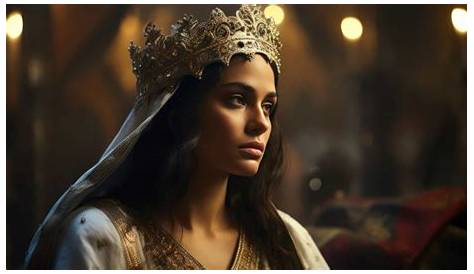
Esther holds significant importance in various contexts, particularly within the biblical narrative, Jewish culture, and literature. In the Book of Esther, she emerges as a courageous Jewish queen who saves her people from imminent destruction. This story not only embodies bravery but also serves as a vital part of Jewish identity and tradition, influencing countless works in literature and media throughout the years.
Who is Esther in the biblical context?
Esther is a central figure in the Hebrew Bible, specifically in the Book of Esther. She was a Jewish woman who became the queen of Persia, married to King Ahasuerus (often identified as Xerxes I). The story unfolds during a time when Jews were living in exile after the Babylonian captivity and highlights Esther's bravery in a perilous situation. When Haman, an advisor to the king, plots to annihilate the Jewish people, Esther risks her life by revealing her Jewish identity to the king and pleading for her people's safety. This act of courage leads to the thwarting of Haman’s plot and the salvation of the Jews in Persia. Esther’s actions showcase not only her personal bravery but also her commitment to her identity and her people in the face of great danger.
What are the key themes in Esther's story?
Esther's narrative encompasses profound themes such as courage, identity, and divine providence. Her courage stands out as she steps into a dangerous situation, risking her life to save her people and emphasizing the importance of standing up for what is right. Identity plays a crucial role; Esther initially conceals her Jewish background, reflecting the complexities of identity in a foreign land. Her eventual revelation of her identity signifies acceptance and pride in who she is. Divine providence weaves throughout the story; many readers interpret the events as a demonstration of God’s hidden hand in protecting the Jewish people, even when His presence isn't overtly acknowledged. These themes resonate today, underscoring the importance of bravery, self-acceptance, and faith in the face of adversity.
How is Esther celebrated today in Jewish culture?
Esther is celebrated during Purim, one of the major Jewish festivals that commemorates her story and the deliverance of the Jewish people from Haman's decree. Purim is marked by festivities that include reading the Book of Esther (Megillah), where the story is recounted. People celebrate with feasting, exchanging gifts of food (mishloach manot), and giving charity to the poor. It is customary to wear costumes and masks, symbolizing the hidden identity themes present in Esther's tale. The celebration embodies joy and communal solidarity, emphasizing themes of survival and resilience. Purim serves as a reminder of the importance of community and the power of standing together against adversity.
What are some notable adaptations of Esther's story?
Esther's story has inspired various adaptations across literature, film, and other media. One notable literary work is "Esther" by the author and activist Shalom Aleichem, which reinterprets her story in a modern context. In film, several adaptations exist, including the 1999 movie "One Night with the King," which dramatizes her life and the events leading up to her becoming queen. Esther's tale also appears in television series, such as the animated children’s show "The Prince of Egypt," which includes her in a broader narrative about Jewish history. Each adaptation offers a unique perspective, often highlighting themes of heroism and identity while making the ancient story accessible to contemporary audiences.
Why does Esther's story remain relevant today?
Esther's story continues to resonate today for several reasons. It speaks to timeless issues of identity, especially for those navigating multiple cultural or social worlds. Her courage serves as an inspiring example for individuals facing adversity, encouraging them to advocate for themselves and others. The narrative also prompts discussions about resilience and the importance of community support in overcoming challenges. In contemporary contexts, Esther is viewed as a symbol of empowerment, particularly for women, reminding us of the influence one person can have in changing events. The themes of her story challenge us to reflect on our own identities and the actions we can take to stand up against injustice.
Conclusion
To truly appreciate Esther's significance, consider exploring the Book of Esther yourself. Investigate how her story has shaped Jewish traditions, especially during Purim, and observe how it has been adapted in various cultural forms. Embracing Esther's narrative can lead to a deeper understanding of identity and resilience in your own life and in the lives of those around you. Her story serves as a powerful reminder of the impact one individual can have on a community and the importance of standing firm in one's beliefs.
Frequently Asked Questions
What is the origin of the story of Esther?
The story of Esther originates from the Hebrew Bible, specifically in the Book of Esther, which is traditionally believed to have been written in the 4th century BCE. It recounts the events of Esther's life as a Jewish queen in Persia and her efforts to save her people from extermination.
Why do people celebrate Purim?
Purim is celebrated to commemorate the salvation of the Jewish people from Haman's plot to kill them, as told in the Book of Esther. It is a time of joy and festivity, marked by reading the Megillah, feasting, and giving gifts.
What lessons can be learned from Esther's story?
Esther's story teaches lessons about courage, the importance of identity, and the impact of standing up for one’s beliefs. It highlights how individual actions can lead to significant change and the value of community support.
How is Esther viewed in modern culture?
In modern culture, Esther is often seen as a symbol of empowerment, particularly for women. Her story frequently appears in discussions around advocacy, resilience, and the importance of cultural identity.
Are there any famous works of art inspired by Esther?
Yes, many works of art have been inspired by Esther, including paintings, plays, and films. Notable examples include the 1999 film "One Night with the King" and various adaptations in literature that reinterpret her story in different contexts.