Understanding DDR4 SDRAM: Key Features and Benefits
If you're building a new gaming PC, understanding memory options is essential for optimizing performance. DDR4 SDRAM is the current standard for modern systems, offering key improvements in speed, efficiency, and capability. This makes it a vital component for gamers and multitaskers alike.
What is DDR4 SDRAM and why does it matter?
DDR4 SDRAM, or Double Data Rate 4 Synchronous Dynamic Random Access Memory, is the fourth generation of DDR memory technology. It enhances memory speed and bandwidth while minimizing latency issues that impact overall system performance. This memory type is critical for gaming and resource-intensive applications, facilitating faster data transfer rates and improved multitasking capabilities. As modern games and software demand more resources, DDR4 ensures your system performs well without bottlenecks.
How does DDR4 compare to DDR3 and other memory types?
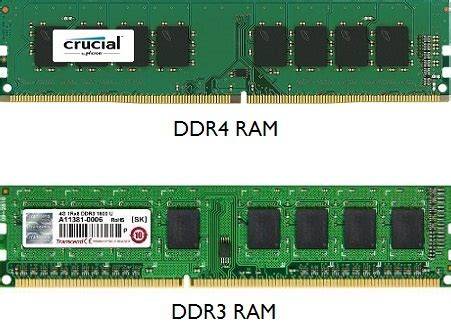
The differences between DDR4 and its predecessor, DDR3, are significant. DDR4 typically operates at speeds ranging from 2133 MHz to over 4266 MHz, while DDR3 tops out around 2133 MHz. This increase in speed results in higher bandwidth, with DDR4 providing up to 25.6 GB/s compared to DDR3's 17 GB/s. Furthermore, DDR4 is more energy-efficient, using only 1.2 volts versus DDR3's 1.5 volts, which leads to less heat generation and longer battery life in laptops. However, upgrading to DDR4 alone won’t guarantee better performance; compatibility with your CPU and motherboard also plays a crucial role.
What are the advantages of using DDR4 in gaming and multitasking?
DDR4 offers substantial benefits for gaming and multitasking. Games that require quick data access can take advantage of DDR4’s higher bandwidth, resulting in smoother gameplay and reduced load times. For example, if you're gaming while streaming or running other demanding applications, DDR4 manages these tasks more efficiently than DDR3. With the increasing prevalence of high-resolution textures and real-time rendering, DDR4's enhanced speed helps maintain frame rates and responsiveness, which are vital for competitive gaming. However, the degree of performance enhancement may vary based on the specific games and applications you use.
How do I choose the right DDR4 RAM for my build?
When selecting DDR4 RAM, consider factors like capacity, speed, and latency. For gaming, 16GB is typically a solid starting point, while 32GB is better suited for heavy multitasking or content creation. Speed is another critical aspect; aim for RAM rated at least 2400 MHz, but higher speeds can improve performance, particularly in demanding applications. Latency, which measures the delay before data is available to the CPU, is also important—lower latency is generally preferable, though the difference may not always be noticeable in everyday tasks. Additionally, ensure compatibility with your motherboard and CPU, as not all systems support the same RAM speeds or configurations.
What should I consider for future-proofing with DDR4?
To future-proof your build with DDR4, prioritize compatibility and upgrade paths. Confirm that your motherboard supports the maximum speed of the DDR4 you're considering, as this will affect performance. Anticipate your future requirements; while 16GB may be sufficient now, you might want to upgrade to 32GB later for more demanding applications. Remember that DDR4 will eventually be replaced by DDR5, so if you plan to use your system for several years, investing in a quality motherboard that can accommodate upgrades is wise. Additionally, consider using dual-channel configurations to enhance performance.
Conclusion
To build an effective system, start by selecting the right capacity for your needs, ensuring it is compatible with your motherboard, and then focus on speed and latency to maximize performance. Balance is crucial; while high numbers can be appealing, a well-chosen DDR4 setup will significantly enhance your gaming experience and keep your system relevant for years to come.
Frequently Asked Questions
What is the maximum speed of DDR4 RAM?
DDR4 RAM can range from 2133 MHz to over 4266 MHz, depending on the specific module and motherboard support. Most commonly, you'll find speeds around 2400 MHz to 3200 MHz in many builds.
Can I mix different brands of DDR4 RAM?
Yes, you can mix different brands of DDR4 RAM, but it's advisable to use modules with the same speed and timings for optimal performance. Mismatched RAM can lead to stability issues or the system defaulting to the lowest speed.
Is DDR4 RAM backwards compatible with DDR3?
No, DDR4 RAM is not backwards compatible with DDR3. The physical connectors and electrical specifications differ, preventing the use of DDR4 RAM in a motherboard designed for DDR3.
How much DDR4 RAM do I need for gaming?
For most gaming setups, 16GB of DDR4 RAM is generally sufficient for smooth gameplay and multitasking. If you plan to stream or run additional applications while gaming, consider 32GB.
Will upgrading to DDR4 RAM improve my gaming performance?
Upgrading to DDR4 RAM can improve gaming performance, especially if you're transitioning from DDR3. The increased speed and bandwidth can reduce loading times and enhance overall responsiveness during gameplay.