Understanding Arkham: The Heart of Horror in Literature and Gaming
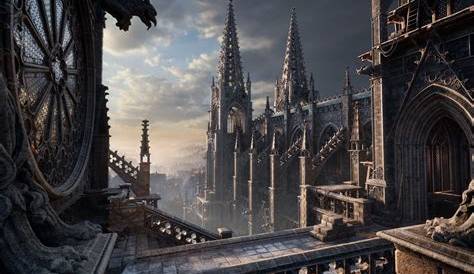
If you’re a fan of horror literature or media, you’re likely familiar with Arkham, a fictional town that embodies dread and cosmic horror. Originating from H.P. Lovecraft's works, Arkham is significant for its role in exploring madness and the unknown, serving as a backdrop for many chilling tales. Its influence is pervasive, extending into films and video games, which solidifies its place in popular culture and deepens our understanding of horror narratives today.
What is Arkham and why is it significant?
Arkham first appeared in H.P. Lovecraft's story "The Picture in the House," published in 1921. Lovecraft used this fictional town as a setting for many of his stories, most notably "The Dunwich Horror" and "The Call of Cthulhu." More than just a location, Arkham symbolizes the fragility of sanity and the terror of the unknown. Lovecraft's horror often revolves around cosmic entities and humanity's insignificance, and Arkham serves as a microcosm of these themes. The town's dark history and strange occurrences transform it into a character of its own, embodying the fear of what lies beyond human understanding. Arkham invites readers to contemplate the limits of knowledge and the potential for madness that exists within us all.
How has Arkham been portrayed in movies and games?
Arkham has appeared in various films and video games, often adapting Lovecraft's themes to fit different narratives. For example, the 2007 film "The Mist" captures Lovecraft's influence through an escalating sense of dread and the unknown, reminiscent of his original stories. Video game adaptations, such as "Call of Cthulhu: Dark Corners of the Earth," immerse players in the eerie environment of Arkham, allowing for a direct experience of horror. These portrayals frequently emphasize the tension between sanity and madness, a hallmark of Lovecraft's work. Adaptations vary; some focus on action and monster encounters, while others preserve Lovecraft's psychological horror, prioritizing atmosphere over direct confrontation. As you explore these media, consider how each interpretation reflects the original themes Lovecraft established.
What psychological themes are tied to Arkham?
Arkham is steeped in psychological themes, particularly those concerning madness and isolation. Lovecraft often examined how the human psyche can unravel when faced with incomprehensible truths. Characters in Arkham frequently descend into insanity, driven by encounters with cosmic horrors or the burden of forbidden knowledge. In "The Shadow over Innsmouth," for instance, the protagonist confronts horrifying truths about his lineage, leading to a crisis of identity and sanity. Isolation is a prominent theme, too; Arkham is often depicted as a decaying, insular town that mirrors the mental states of its characters. Many readers find this psychological depth resonates personally, reflecting real fears about sanity and the unknown. While not every character in Arkham's stories meets a tragic end, the persistent threat of madness serves as a reminder of our vulnerabilities.
Are there real-life inspirations behind Arkham?
Lovecraft drew inspiration from real-life locations and historical contexts, shaping his depiction of Arkham. The town of Salem, Massachusetts, known for its witch trials, likely influenced Lovecraft’s portrayal of Arkham as a place steeped in superstition and dark history. Additionally, the architecture and atmosphere of New England towns during Lovecraft's time contributed to the eerie quality of Arkham. The blending of urban legends with historical fears creates an authenticity that enhances the horror in Lovecraft's stories. While these inspirations exist, it's essential to recognize that Arkham remains a fictional construct where Lovecraft's imagination explores the limits of human experience and understanding.
How can I explore Arkham further in literature and games?
To explore Arkham further, start with Lovecraft’s own stories, such as "The Call of Cthulhu" and "At the Mountains of Madness," which lay the groundwork for the Arkham mythos. In gaming, consider playing "Arkham Horror," a cooperative board game that immerses players in Lovecraftian themes, or "Bloodborne," a video game heavily influenced by Lovecraft's work. Several anthologies and collections of stories inspired by Lovecraft can provide a broader view of Arkham's legacy. Engaging with these literary and gaming mediums will deepen your understanding of Arkham and its significance in horror culture.
Conclusion
To begin your exploration of Arkham, start with Lovecraft's original stories. Focus on adaptations that remain true to his themes to grasp the core essence of Arkham. This approach will enhance your understanding of the psychological depth of this fictional town and its lasting impact on the horror genre, enriching your appreciation for both literature and media inspired by Lovecraft.
Frequently Asked Questions
What are some popular works set in Arkham?
Popular works include H.P. Lovecraft’s stories like "The Call of Cthulhu" and "The Dunwich Horror," as well as adaptations such as the board game "Arkham Horror" and video games like "Call of Cthulhu: Dark Corners of the Earth."
Why is Arkham considered a symbol of cosmic horror?
Arkham symbolizes cosmic horror because it embodies themes of madness, the unknown, and humanity's insignificance in the face of incomprehensible truths. Its dark history and eerie atmosphere highlight the fragility of sanity.
How has Arkham influenced modern horror media?
Arkham has influenced modern horror media by establishing archetypal themes of isolation and madness, which many filmmakers and game designers incorporate. Its settings and characters often serve as templates for exploring psychological horror.
Are there any real-life locations similar to Arkham?
Yes, places like Salem, Massachusetts, and other New England towns with rich histories and eerie atmospheres evoke a feeling similar to Arkham. These locations are often characterized by dark legends and a sense of the uncanny.
What is the Arkham Asylum in Batman related to Lovecraft's Arkham?
Arkham Asylum in the Batman universe is named after Lovecraft’s Arkham, reflecting themes of madness and confinement. However, it primarily focuses on the psychological struggles of comic book characters rather than the cosmic horror themes central to Lovecraft's work.