Understanding the Alemanni in Early Germanic History
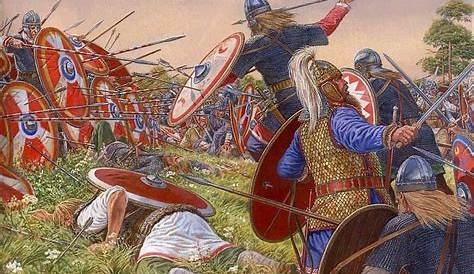
The Alemanni were a confederation of Germanic tribes that emerged in the 3rd century AD and significantly influenced early European history, particularly during the Migration Period. Their interactions with the Roman Empire and neighboring tribes shaped the cultural and political landscape of the time.
What were the Alemanni?
The Alemanni were a group of Germanic tribes inhabiting parts of present-day southwestern Germany and eastern France. Known for their semi-nomadic lifestyle and warrior culture, they placed great emphasis on tribal loyalty and strength in battle.
Where did the Alemanni come from?
The Alemanni likely originated from the region near the upper Rhine River. Their name is thought to derive from a term meaning "all men," indicating a coalition of various tribes. As they expanded, they migrated southward and westward into territories inhabited by Celtic tribes, encroaching on the borders of the Roman Empire. For example, during the 3rd century, they moved into the provinces of Gaul and Raetia, often straining Roman frontiers.
Significant events in Alemanni history
One of the most notable events involving the Alemanni was their conflict with the Roman Empire. In 259 AD, they defeated Roman forces at the Battle of Placentia, escalating tensions along the Roman borders. The Alemanni also participated in the larger migrations that characterized the late Roman Empire, frequently raiding and settling in various regions. A pivotal moment in their history occurred in 496 AD when they were defeated by the Franks at the Battle of Tolbiac, marking a significant shift in their power dynamics.
What was Alemanni society like?
Alemanni society was tribal and decentralized, with each tribe led by chieftains chosen for their bravery and leadership skills. Their culture was rich in traditions, emphasizing warfare, craftsmanship, and ritual practices. They were known for their metalwork and textile production. Social structures were generally egalitarian, though distinctions based on warrior status and wealth existed. They practiced paganism, worshiping various gods associated with nature and war.
Common misconceptions about the Alemanni
A common misconception is that the Alemanni were a unified tribe rather than a confederation of several tribes. This misunderstanding can lead to oversimplified views of their culture and societal structures. Another myth is that they were solely a warrior people; while they were indeed fierce fighters, they were also skilled artisans and traders.
Conclusion
To explore further, consider studying the Alemanni's interactions with neighboring tribes and the Roman Empire, as well as their influence on the formation of modern European nations. Understanding their history can provide deeper insights into the dynamics of early Germanic societies.