Understanding the Tupolev Tu-154: Its History and Impact
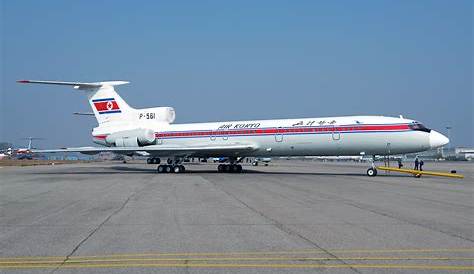
The Tupolev Tu-154 is a Soviet-era airliner designed for medium-range flights, known for its three-engine configuration and spacious interior. It played a vital role in civil aviation from the 1970s until its gradual decline in the 2000s, making it one of the most recognizable aircraft worldwide.
What is the Tupolev Tu-154?
The Tupolev Tu-154 is a three-engine jet airliner developed by the Soviet Union's Tupolev Design Bureau. Introduced in 1968, it was designed to serve both domestic and international routes, primarily catering to Soviet airlines. Its distinctive T-tail and rear-mounted engines contribute to a quieter cabin and improved aerodynamics. For example, the spacious passenger cabin accommodates around 150 to 180 passengers, making it suitable for various flight lengths. The Tu-154 gained a reputation for reliability and performance in diverse weather conditions, which made it popular among airlines throughout Eastern Europe and beyond.
Historical significance of the Tu-154
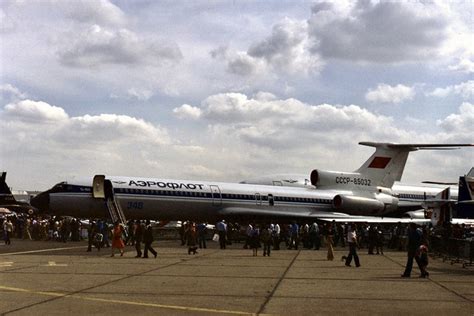
The Tu-154 represented a significant advancement in Soviet aviation technology and played a key role in expanding air travel in the USSR. One of its major milestones was its introduction in 1970, which allowed for greater passenger capacity and enhanced comfort compared to earlier aircraft. Throughout the 1970s and 1980s, it became the backbone of Soviet civil aviation, operating domestic routes and international flights to destinations across Europe and Asia. Additionally, the Tu-154 was utilized by various state airlines, including Aeroflot, and was adapted for military and cargo purposes. Its design also influenced subsequent aircraft developments, securing its place in aviation history as one of the most produced jet airliners of its time.
Common myths surrounding the Tu-154
Several misconceptions exist regarding the Tupolev Tu-154, particularly related to its safety and performance. A common myth suggests that the Tu-154 was inherently unsafe, largely due to high-profile incidents associated with it. However, its safety record reflects both operational challenges and the context of its use. In reality, the Tu-154 had a solid safety record for many years, with a significant number of flights completed without incident. Another misconception is that its performance was outdated compared to Western aircraft. While it faced competition, the Tu-154 was designed to meet the operational needs of its environment and effectively handled various conditions.
Operational use around the world
The Tupolev Tu-154 was widely utilized in several countries, particularly in Eastern Europe, the former Soviet Union, and parts of Asia and the Middle East. Countries like Poland, Hungary, and the Czech Republic operated the aircraft extensively, making it a familiar sight at many airports. Its design allowed for operations in less developed airports with shorter runways, making it suitable for a variety of air travel scenarios. The Tu-154 significantly impacted regional air travel by connecting smaller cities to major hubs, facilitating the movement of people and goods across vast distances. In many regions, it was the primary choice for both passenger and charter flights.
Where can you see a Tu-154 today?
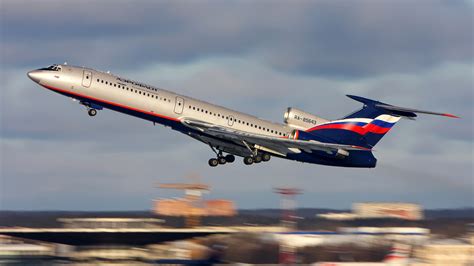
Although commercial operations of the Tupolev Tu-154 have largely ceased, you can still find this iconic aircraft in several locations worldwide. Many aviation museums in Eastern Europe, such as the Central Air Force Museum in Monino, Russia, showcase preserved Tu-154s. Additionally, airshows occasionally feature the aircraft, allowing enthusiasts to appreciate its design and history up close. Some former operators, particularly in Russia and Eastern Europe, may have retired fleets that are sometimes opened for tours or special events.
Conclusion
If you're interested in aviation history, exploring the legacy of the Tupolev Tu-154 offers a fascinating look at the evolution of air travel. Visiting a museum or attending an airshow can deepen your appreciation for this remarkable aircraft and its significant role in aviation.