Understanding the Tornado Outbreak of February 28 – March 2, 2007
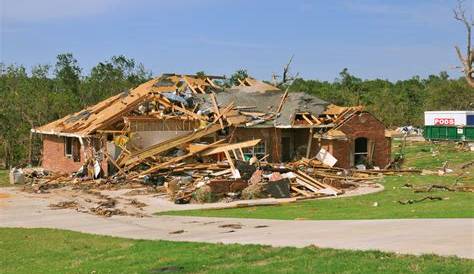
The tornado outbreak from February 28 to March 2, 2007, was a significant meteorological event that produced numerous tornadoes across several states in the Southern and Midwestern United States. Over the course of this outbreak, at least 55 tornadoes were confirmed, with several reaching EF3 intensity or higher, causing extensive damage and affecting countless lives. Understanding the details of this outbreak, its impact on communities, and the personal stories of those who experienced it can provide valuable insights into the nature of such disasters.
What happened during the tornado outbreak?
The outbreak began on February 28, when powerful storms produced the first tornadoes in Arkansas. As the days progressed, the severe weather system moved into Tennessee, Kentucky, and Indiana, culminating in a particularly intense cluster of tornadoes on March 1. A notable tornado struck Evansville, Indiana, resulting in significant destruction. The National Weather Service confirmed at least 55 tornadoes throughout the outbreak, with several rated EF3 or higher. Communities were left in shock as they assessed the damage and began recovery efforts.
How did the tornadoes compare to other outbreaks?
This outbreak was notable for both its intensity and the number of tornadoes generated. Compared to historical data, it was part of a broader trend in 2007 that saw an unusually high number of tornadoes for that time of year. While most tornado outbreaks occur during the spring months, this event took place in late winter, which is less common. The recorded EF3 and EF4 tornadoes were among the strongest seen in the region during that period. The conditions present during this outbreak were particularly conducive to severe storms, underscoring the variability in tornado occurrence and intensity throughout the year.
What were the human stories behind the statistics?
Behind the statistics, there are countless personal accounts from survivors that illustrate the tornado's impact. For example, one woman in Evansville recounted how she and her family huddled in a bathroom as the storm approached, listening to the deafening roar outside. When they emerged, they found their neighborhood unrecognizable, with homes destroyed and debris scattered about. Many shared experiences of loss and survival, emphasizing the emotional toll such disasters take on individuals and families. These personal accounts highlight that every statistic represents real lives affected by nature's fury.
What were the immediate impacts on communities affected?
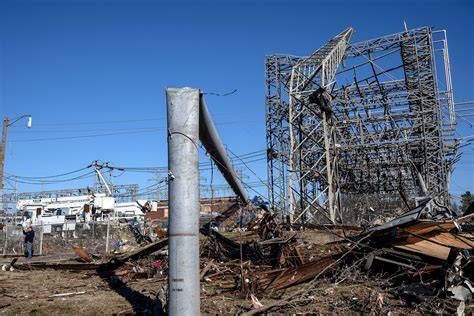
The immediate impact on affected communities was profound. The tornadoes caused extensive damage to infrastructure, including homes, schools, and businesses. In Evansville, for instance, more than 200 homes were destroyed, and many others sustained serious damage. The local economy suffered as businesses were forced to close or reduce operations, leading to job losses. Community morale was challenged as residents faced the daunting task of rebuilding their lives. Local governments and organizations quickly mobilized to provide assistance, but emotional and financial scars remained long after the storms passed.
What lessons were learned for future tornado preparedness?
In the aftermath of the outbreak, important lessons emerged regarding tornado preparedness and response. One significant change was an increased focus on improving weather forecasting technologies and communication strategies. Communities recognized the need for timely alerts and better education about tornado safety. Many areas implemented more rigorous emergency response plans to ensure that residents understood how to react during severe weather. This outbreak underscored the importance of community preparedness and resilience, prompting ongoing efforts to enhance safety protocols and public awareness.
Conclusion
To better prepare for future tornadoes, it's essential to learn about local warning systems and emergency plans in your area. Understanding the risks and having a plan can make a significant difference when severe weather strikes. While it may be easy to overlook these details when the skies are clear, being proactive can save lives and protect property during future tornado events.
Frequently Asked Questions
What caused the tornado outbreak of February 28 – March 2, 2007?
The outbreak was caused by a powerful weather system that brought together warm, moist air from the south and cold, dry air from the north. This clash created the unstable atmospheric conditions necessary for tornado formation.
How many tornadoes were reported during this outbreak?
A total of at least 55 tornadoes were confirmed during the outbreak, with several reaching EF3 intensity or higher, causing significant damage across multiple states.
Which states were most affected by the tornado outbreak?
The states most affected included Arkansas, Indiana, Tennessee, and Kentucky, with varying levels of damage reported in each area.
What were some of the strongest tornadoes from this outbreak?
Among the strongest tornadoes were those rated EF3 or higher, particularly the tornado that struck Evansville, Indiana, which caused extensive destruction and numerous injuries.
How did communities respond after the outbreak?
Communities responded with immediate relief efforts, including assistance from local governments and support from organizations. Residents came together to help each other recover, demonstrating resilience in the face of adversity.