A Clear Timeline of Historic Inventions That Shaped Our World
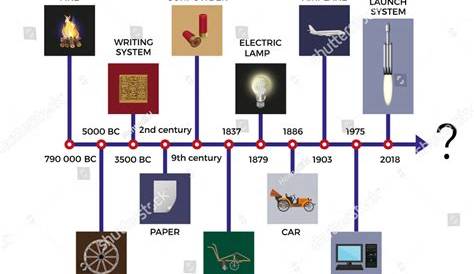
If you're researching the history of inventions for your project, you'll find that these innovations have dramatically shaped the world we inhabit. From the wheel to the internet, key inventions have transformed societies and everyday life. This timeline outlines significant inventions, their inventors, and their impacts on modern technology and culture.
Who were the key inventors behind these innovations?
Notable inventors such as Thomas Edison, Alexander Graham Bell, and Nikola Tesla played crucial roles in shaping technology. Thomas Edison, often credited with the invention of the practical electric light bulb, held over a thousand patents and is known for his work on the phonograph and motion pictures. Alexander Graham Bell is famous for inventing the telephone, revolutionizing communication by enabling people to connect instantly over long distances. Nikola Tesla contributed significantly to developing alternating current electricity, which remains the standard today. Each of these inventors faced challenges, yet their perseverance and creativity led to innovations that profoundly impacted society and fostered further technological advancements.
How did these inventions change everyday life?
Inventions like the telephone and the internet have dramatically altered daily living. The telephone allowed for real-time communication, changing how people interacted and conducted business. Imagine having to wait days for news instead of receiving it instantly. The internet expanded this connectivity further, transforming how we access information, communicate, and conduct commerce. Social media platforms, online shopping, and telecommuting exemplify how the internet influences our daily routines and broadens our interaction with the world. However, reliance on technology raises questions about privacy and social interaction, highlighting a trade-off between convenience and potential drawbacks.
What were the historical contexts for these inventions?
The social and political climates during the times of these inventions were often conducive to innovation. The Industrial Revolution, for instance, created a demand for new machinery and production methods, leading to inventions like the steam engine and spinning jenny. This era was marked by rapid urbanization and economic change, pushing inventors to meet the needs of a growing population. In contrast, the late 20th century saw the rise of digital technology amid the Cold War, driving advancements in computing and telecommunications. Understanding these contexts helps explain why certain inventions emerged when they did and how they were influenced by their surrounding environments.
What can we learn from these inventions today?
Studying past inventions can inspire future innovations and problem-solving. Each invention arose from a desire to address specific challenges, whether logistical, communicative, or social. By analyzing how inventors identified problems and developed solutions, we can apply similar thinking to contemporary issues. For instance, as society faces challenges like climate change and data privacy, examining how past inventors approached their challenges can provide valuable insights. Innovation often hinges on recognizing a need and creatively addressing it, a lesson that remains relevant.
Conclusion
Begin by focusing on the key inventions that interest you, such as the printing press or the internet, and explore their broader impacts. Disregard less significant inventions that lack a clear influence on today’s technology. This approach will enhance your understanding of how these innovations shaped our world and continue to influence our lives.
Frequently Asked Questions
What invention had the biggest impact on society?
While it's hard to pinpoint one invention, the printing press is often considered one of the most impactful. It significantly improved access to information, leading to increased literacy and the spread of ideas, which laid the groundwork for the Enlightenment and modern education.
Who is considered the greatest inventor of all time?
Many consider Thomas Edison one of the greatest inventors due to his numerous innovations and patents, including the phonograph and electric light bulb. However, others like Nikola Tesla and Leonardo da Vinci also have strong claims based on their groundbreaking ideas.
How do inventions influence culture?
Inventions often change cultural practices by altering how people communicate, work, and interact. For example, the internet has transformed social norms and communication styles, influencing everything from relationships to how news is consumed.
What was the first invention in history?
The wheel, invented around 3500 BC, is often cited as one of the first significant inventions. It marked a crucial development in transportation and facilitated trade and agriculture.
How do inventors come up with their ideas?
Inventors often identify a problem or a need in society and brainstorm creative solutions. They may draw inspiration from existing technologies, personal experiences, or observations of everyday life to develop their ideas.