Understanding the Thanjavur Maratha Kingdom and Its Cultural Legacy
The Thanjavur Maratha kingdom was a prominent regional power in South India, established in the late 17th century by the Maratha general Venkoji, the half-brother of Chhatrapati Shivaji Maharaj. It significantly influenced the cultural and political dynamics of Tamil Nadu until the early 19th century, contributing to art, architecture, and governance.
What was the Thanjavur Maratha kingdom?
The Thanjavur Maratha kingdom was founded in 1676 by Venkoji, who established his rule in Thanjavur, strategically located in the fertile Kaveri Delta. This location provided economic advantages through agriculture and trade, allowing the kingdom to flourish. At its peak, it became a center of political power and culture, especially under the leadership of later Maratha kings.
Who were the prominent rulers?
The Thanjavur Maratha dynasty included notable rulers such as Shahuji I and Serfoji II. Shahuji I, the first king, expanded the kingdom's territories and strengthened its administration. Serfoji II, who ruled in the early 19th century, is particularly celebrated for his patronage of the arts and sciences, inviting scholars and artists to his court. This patronage catalyzed a cultural renaissance, with classical music and dance, such as Bharatanatyam, flourishing during his reign.
How did the kingdom influence local culture?
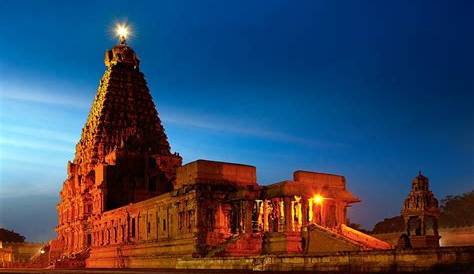
The Thanjavur Maratha kingdom made enduring contributions to South Indian culture, particularly in art, architecture, and music. For example, the Brihadeeswarar Temple, a UNESCO World Heritage site, exemplifies the architectural brilliance of that era. The kingdom's support for classical art forms, including Bharatanatyam and Carnatic music, played a vital role in preserving and promoting these traditions, creating a rich cultural heritage that continues to thrive today.
What were the key conflicts and alliances?
Throughout its existence, the Thanjavur Maratha kingdom navigated a complex political landscape characterized by conflicts and alliances. The kingdom faced threats from neighboring powers, including the Nawabs of Arcot and the British East India Company. To counter these threats, the Marathas formed temporary alliances with other regional powers. However, they ultimately came under British control in the early 19th century, which marked the end of their sovereignty.
Common misconceptions about the Thanjavur Maratha kingdom
Many people mistakenly believe that the Thanjavur Maratha kingdom was merely a puppet state under British control. In reality, it was a vibrant and autonomous kingdom for much of its history, with a strong cultural identity. Another misconception is that its contributions to art and culture were limited; the kingdom played a pivotal role in the evolution of classical music and dance, which are integral to South Indian heritage.
Conclusion
Exploring the Thanjavur Maratha kingdom reveals a rich cultural and political history that has shaped South India. Understanding this legacy can deepen your appreciation for the region's art, architecture, and music. If you're interested, consider visiting Thanjavur to experience its historical sites firsthand.