Understanding Sulfur Oxidizing Bacteria
If you’re researching sulfur oxidizing bacteria, you'll find that these microorganisms play a crucial role in various ecosystems. Sulfur oxidizing bacteria convert sulfur compounds into sulfate, which is essential for the sulfur cycle and nutrient cycling. Their activities not only help detoxify harmful substances but also contribute significantly to ecosystem health by supporting plant growth and influencing soil chemistry.
What are sulfur oxidizing bacteria and why are they important?
Sulfur oxidizing bacteria (SOB) are microorganisms that oxidize sulfur compounds, primarily converting hydrogen sulfide (H2S) or elemental sulfur (S) into sulfate (SO4^{2-}). This process is vital for the sulfur cycle, transforming sulfur into a form that plants and other organisms can utilize. By detoxifying environments rich in sulfur compounds, these bacteria mitigate potential harm to various life forms. In addition to detoxification, SOB enhance nutrient availability, especially in soils and aquatic environments, by facilitating the cycling of nitrogen and phosphorus. They are essential for maintaining ecosystem balance, particularly in sulfur-rich habitats where other organisms may struggle to survive due to high sulfur toxicity. The absence of sulfur oxidizing bacteria could severely disrupt sulfur cycling, resulting in ecological imbalances and reduced biological productivity.
Where can you find sulfur oxidizing bacteria?
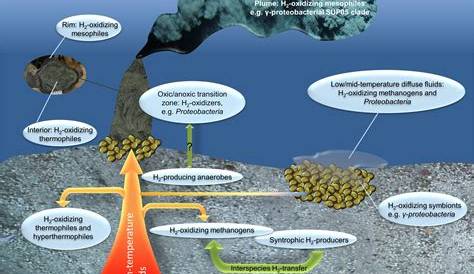
Sulfur oxidizing bacteria thrive in extreme environments where sulfur compounds are abundant. One prominent habitat is hydrothermal vents on the ocean floor, where hot, mineral-rich water creates an ideal environment for these bacteria. These vents often support entire ecosystems based on the activities of SOB, providing energy and nutrients for other organisms. Sulfur springs are another environment rich in sulfur compounds, hosting diverse populations of these bacteria. In terrestrial ecosystems, sulfur oxidizing bacteria can be found in marshes, wetlands, and sulfur-rich soils, where they play a key role in the biogeochemical processes. Marine sediments, particularly in areas with high organic matter decomposition, are also common habitats for these bacteria, as they facilitate the buildup of hydrogen sulfide. Each of these environments presents unique challenges and opportunities for sulfur oxidizing bacteria, illustrating their adaptability and ecological importance.
How do sulfur oxidizing bacteria contribute to sulfur cycling?
Sulfur cycling involves the transformation of sulfur through various chemical forms as it moves through the environment. Sulfur oxidizing bacteria play a pivotal role in this cycle by oxidizing reduced sulfur compounds, such as hydrogen sulfide and elemental sulfur, into sulfate. This biochemical process typically involves several steps: the uptake of H2S, its oxidation to sulfur, and further oxidation to sulfate. These reactions generate energy that the bacteria use for growth and reproduction. The sulfate produced becomes available for uptake by plants and other microorganisms, effectively linking sulfur cycling to broader nutrient cycles. Environmental factors like pH, temperature, and the presence of organic matter can significantly influence these processes. In some cases, SOB can also engage in dissimilatory sulfate reduction under anaerobic conditions, demonstrating their versatility in adapting to different environments and contributing to sulfur cycling in varied ecosystems.
What challenges do sulfur oxidizing bacteria face in their environments?
Despite their adaptability, sulfur oxidizing bacteria encounter several challenges that can affect their survival and activity. Environmental factors such as extreme pH levels, high temperatures, and the presence of pollutants can pose significant threats. Some SOB thrive in highly acidic or alkaline environments, but sudden changes in these conditions can hinder their growth. While many sulfur oxidizing bacteria prefer warm temperatures, extreme heat from hydrothermal vents can limit their distribution. Additionally, pollutants like heavy metals or hydrocarbons can be toxic to these bacteria, disrupting their metabolic processes. In ecosystems undergoing anthropogenic changes, such as pollution or climate change, the survival of sulfur oxidizing bacteria may be jeopardized, potentially leading to disruptions in sulfur cycling and associated ecological consequences.
How can we study sulfur oxidizing bacteria effectively?
Studying sulfur oxidizing bacteria necessitates specific methods to isolate and culture them in laboratory settings. One common approach is to use enrichment cultures that favor the growth of these bacteria by providing substrates like hydrogen sulfide or elemental sulfur in a controlled environment. Researchers can create anaerobic or microaerophilic conditions depending on the bacterial species of interest. Molecular techniques such as PCR and sequencing can also be employed to identify and characterize SOB from environmental samples. These methods enable researchers to understand the diversity and community structure of sulfur oxidizing bacteria in different habitats. Additionally, stable isotope probing can help trace the metabolic activities of these bacteria in situ, revealing their ecological roles in sulfur cycling. Combining these techniques offers a comprehensive understanding of sulfur oxidizing bacteria and their functions within ecosystems.
Conclusion
To explore sulfur oxidizing bacteria, examine their specific habitats and the conditions that support their growth. Focus on isolating them using enrichment cultures and molecular techniques to better understand their roles in ecosystems. While considering the environmental challenges they face is important, it's essential to prioritize identifying key species and their contributions to sulfur cycling, which could lead to insights into ecological health and biogeochemical processes.
Frequently Asked Questions
What is the role of sulfur oxidizing bacteria in the sulfur cycle?
Sulfur oxidizing bacteria play a crucial role in the sulfur cycle by converting reduced sulfur compounds into sulfate. This process detoxifies environments rich in sulfur and makes sulfate available for uptake by plants and other organisms, linking sulfur cycling to broader nutrient dynamics.
Can sulfur oxidizing bacteria survive in extreme environments?
Yes, sulfur oxidizing bacteria are highly adaptable and can thrive in extreme environments such as hydrothermal vents and sulfur springs. They have evolved mechanisms to cope with varying pH levels, temperatures, and the presence of toxic compounds.
How do researchers isolate sulfur oxidizing bacteria in the lab?
Researchers typically isolate sulfur oxidizing bacteria using enrichment cultures that provide specific substrates like hydrogen sulfide or elemental sulfur. These cultures are often set up under controlled anaerobic or microaerophilic conditions to favor the growth of target bacteria.
What challenges do sulfur oxidizing bacteria face?
Sulfur oxidizing bacteria face challenges such as extreme pH, temperature fluctuations, and pollutants like heavy metals. These factors can hinder their growth and metabolic activities, impacting their role in ecosystems.
What techniques are used to study sulfur oxidizing bacteria?
Common techniques to study sulfur oxidizing bacteria include molecular methods like PCR and sequencing for identification, as well as stable isotope probing to trace their metabolic activities in natural environments. These methods provide insights into their diversity and ecological roles.