What You Need to Know About STOLports and Their Operations
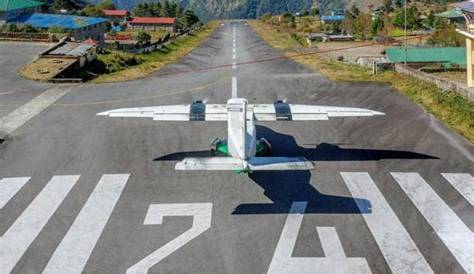
If you’re planning a flight to or from a STOLport, it's essential to understand their operational aspects and regulations. STOLports, or Short Takeoff and Landing ports, are specialized airfields designed for aircraft that require shorter runways, typically less than 1,500 feet. They play a crucial role in providing access to remote areas and regions with limited infrastructure, making them vital for medical evacuations, cargo transport, and tourism operations.
What exactly is a STOLport?
STOLports are airports specifically designed for aircraft capable of short takeoffs and landings. These facilities typically feature shorter runways, often less than 1,500 feet, and may lack some infrastructure found at larger airports, such as control towers or advanced navigational aids. Due to their design, STOLports are often located in areas where conventional airports would be impractical, such as islands, mountainous regions, or urban settings where space is limited. Aircraft operating from STOLports are usually designed for constrained environments, making them suitable for various operations, including medical evacuations, cargo transport, and tourism. However, the limited runway length and sometimes less favorable conditions can present unique challenges that you need to consider as a pilot.
How are STOLports regulated?
STOLports are subject to aviation regulations that can vary by country, but they generally follow the same rules that govern other airports. In the United States, the Federal Aviation Administration (FAA) sets standards for STOLports, including safety measures, operational procedures, and design specifications. Similar regulatory bodies exist in other regions, such as the European Union Aviation Safety Agency (EASA) in Europe. These regulations dictate aspects like runway dimensions, lighting requirements, and operational protocols. Some countries may require specific certifications for STOLport operators, while others have more relaxed standards. It’s crucial for you as a pilot to be familiar with the specific regulations that apply to the STOLports you plan to use, as non-compliance can lead to operational setbacks or safety issues.
What are the benefits and drawbacks of using STOLports?
STOLports provide several advantages over traditional airports, particularly regarding accessibility. They connect remote communities, enabling faster transport of goods and services. Their shorter runways allow operations in areas where constructing a large airport is not feasible. However, drawbacks exist. The limited runway length can restrict the types of aircraft that can operate safely, and adverse weather conditions may significantly impact operations due to the lack of advanced weather monitoring systems. Additionally, STOLports often have fewer services and amenities, which can result in less support for maintenance and refueling compared to larger airports. Weighing these pros and cons is essential when planning flights to or from STOLports.
What types of aircraft typically use STOLports?
Aircraft that frequently operate from STOLports are specially designed or modified for short takeoffs and landings. Examples include turboprop planes like the De Havilland Dash 8 and smaller general aviation aircraft such as the Cessna Caravan. These aircraft have high lift capabilities and powerful engines that enable them to operate in confined spaces. While STOL capability is a significant advantage, it’s also essential to consider factors like payload capacity and range. Some larger jets may operate from STOLports, but only under specific conditions and usually require more runway length than is available. As a pilot, understanding your aircraft's performance characteristics is vital for ensuring safe operations at these airfields.
How to plan a flight to or from a STOLport?
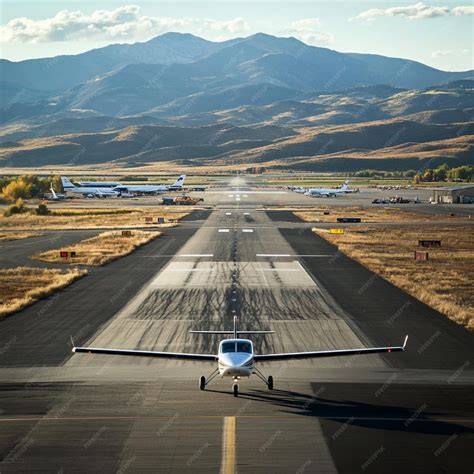
Planning your flight to or from a STOLport involves several key considerations. First, assess the runway length and surface type, as well as any nearby obstacles that might affect your approach and takeoff. Weather conditions are particularly important since STOLports might not have the same level of meteorological support as larger airports. Always check the latest weather reports and forecasts before your flight. Additionally, be mindful of the terrain; mountainous areas can create unique challenges during landings and takeoffs. Navigational aids may also be limited at STOLports, so having a solid understanding of the local area and a reliable navigation method is crucial. Finally, ensure compliance with all local regulations and procedures to facilitate a safe and efficient operation.
Conclusion
Before your flight, review the specific regulations related to the STOLports you'll be using and ensure your aircraft is suitable for short takeoff and landing operations. Pay close attention to weather conditions and the surrounding terrain, as these factors can significantly influence your flight. A successful operation at a STOLport requires informed decisions about your route and aircraft capabilities, leading to a safe and efficient journey.
Frequently Asked Questions
What is the typical runway length for a STOLport?
STOLports generally have runways that are less than 1,500 feet long, allowing for short takeoffs and landings. However, the exact length can vary based on the specific STOLport and the types of aircraft intended to use it.
Are STOLports equipped with control towers?
Most STOLports do not have control towers, meaning pilots often rely on self-announcing their intentions and using common traffic advisory frequencies, which requires a higher level of situational awareness.
Can large aircraft operate from STOLports?
While some larger aircraft may be able to operate from STOLports, they typically require more runway length than is available. It's crucial to evaluate your aircraft’s capabilities against the STOLport's specifications.
What types of operations are common at STOLports?
STOLports are often used for a variety of operations, including medical emergencies, cargo transport, and tourism flights to remote areas. Their accessibility makes them vital for connecting underserved regions.
How does weather affect operations at STOLports?
Weather can significantly impact operations at STOLports, as they might not have the same level of weather monitoring and reporting as larger airports. Pilots should be prepared for rapidly changing conditions and ensure they have adequate information before flying.