Everything You Need to Know to Start Playing Field Hockey
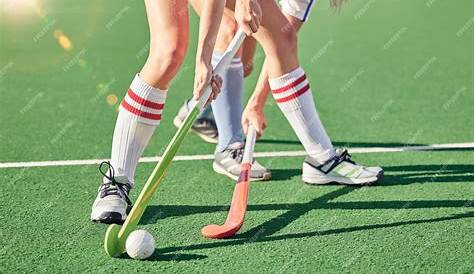
If your child is interested in starting field hockey, there are several steps to help them get involved in this exciting sport. Field hockey is a fast-paced team game played on grass or turf, where players use curved sticks to hit a small ball into the opposing team's net. It's an excellent way for children to develop coordination, teamwork, and fitness while having fun.
What are the basic rules of field hockey?
Field hockey is played between two teams, each aiming to score goals by hitting a small ball into the opposing team's net using curved sticks. A game typically consists of two halves, and the team with the most goals at the end wins. Players can only use the flat side of their sticks to control the ball, and various fouls can occur, such as high sticks or body contact. The game starts with a center pass, and the ball can only be played with the stick, not the body. Positions include forwards, midfielders, and defenders, each with specific roles; forwards primarily attack, defenders protect their goal, and midfielders support both defense and offense. Understanding these basics is crucial for any new player. It’s also important to learn about penalty corners and free hits as players advance.
What equipment do I need to start playing?
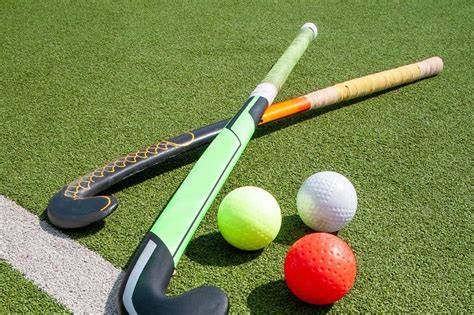
To start playing field hockey, your child will need some essential equipment. The most important item is a field hockey stick, which comes in various sizes and materials. Choosing the right stick size depends on your child's height. In addition to a stick, you’ll need a field hockey ball, which is hard and designed for outdoor play. Protective gear is crucial, including a mouthguard to protect teeth, shin guards to prevent injuries from the ball or sticks, and sometimes a helmet, especially for goalies. Many players also wear gloves for better grip and protection. For purchasing equipment, local sporting goods stores often carry a range of field hockey gear. Online retailers like Amazon or specialized sports websites offer a wider selection and sometimes better prices. Consider buying used equipment, especially when just starting out, as children can quickly outgrow their gear. Additionally, you might want to check local youth sports programs that may provide rental equipment.
How do I find a local field hockey team for my child?
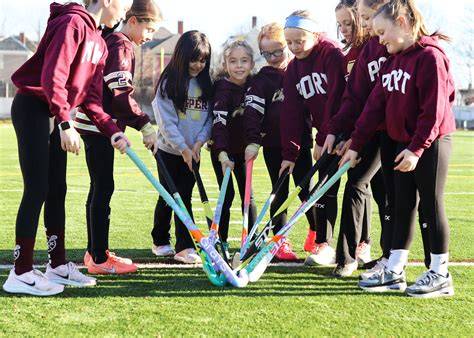
Finding a local field hockey team or club is easier than you might think. Start by checking local community centers, schools, or sports clubs that offer youth programs. Many high schools have field hockey teams and often welcome younger players to join. You can also search online for organizations like USA Field Hockey, which has resources for finding teams based on your location. Social media groups or community bulletins can also be valuable resources. Parents often share information about local teams or upcoming camps. Another option is to attend local field hockey games; this can be a great way to meet coaches and other parents involved in the sport.
What skills should my child focus on developing?
As your child begins their field hockey journey, there are several key skills to focus on. Dribbling is fundamental, as it helps players control the ball while moving. Encourage your child to practice by dribbling in straight lines and around obstacles. Passing is another critical skill, where players learn to accurately send the ball to teammates. Practicing short passes and longer hits can enhance their game. Shooting is essential for scoring goals, so practicing different types of shots, such as flicks and drives, will benefit them. Encourage your child to practice these skills regularly, both individually and with friends or teammates. A common mistake is to focus solely on one skill, but well-rounded players tend to be more successful. Incorporate drills that combine skills, like dribbling while passing, to build overall competence.
How can I support my child’s field hockey journey?
Supporting your child in field hockey can take many forms. Attend their games and practices to show your support and interest. This not only boosts their confidence but also helps you understand the game better. You can assist with practice by setting up drills at home or even playing catch with a ball to improve their hand-eye coordination. Understanding the sport's culture is also important. Field hockey emphasizes teamwork and sportsmanship, so reinforcing these values at home can help your child thrive on and off the field. Encourage them to set personal goals, whether it’s improving a specific skill or gaining more confidence in games.
Conclusion
Start by gathering the essential equipment for your child. Look for local teams or clubs where they can join and practice their skills. Focus on the basics like dribbling and passing initially, and be there to support them through their development. A successful experience in field hockey often means enjoying the game, making new friends, and growing in their abilities, rather than just winning.
Frequently Asked Questions
What age can children start playing field hockey?
Children can typically start playing field hockey around the age of 6 or 7, when they're physically able to handle the stick and ball. Many clubs have programs specifically designed for younger players.
Is field hockey a dangerous sport for kids?
While field hockey can lead to injuries, especially from sticks or the ball, using proper protective gear significantly reduces risks. Teaching children the rules and emphasizing safety can also help prevent accidents.
Can girls and boys play field hockey together?
Yes, in many areas, girls and boys can play field hockey together, especially at younger ages. However, as they get older, some leagues may separate teams by gender.
How long do field hockey games typically last?
Most field hockey games consist of two halves, each lasting 30 to 35 minutes, with a short halftime break. The exact duration can vary based on the level of play and specific league rules.
What are the most common injuries in field hockey?
Common injuries in field hockey include sprains, strains, and bruises, often related to falls or impacts from the ball. Wearing proper protective equipment can help minimize these risks.