How to Spot the Mentawai Malkoha in the Wild
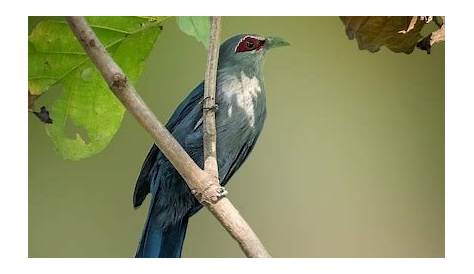
If you're a birdwatcher planning a trip to Indonesia, spotting the Mentawai malkoha should be a top priority. This striking bird, known for its unique behaviors and habitat preferences, is primarily found in the Mentawai Islands. By understanding where to look, how to identify it among similar species, and the best times to visit, you can significantly enhance your chances of a sighting.
Where can I find the Mentawai malkoha?
The Mentawai malkoha is endemic to the Mentawai Islands, an archipelago off the west coast of Sumatra in Indonesia. This includes islands like Siberut, Sipora, and North Pagai, all of which provide ideal habitats for this species. The lush tropical rainforests on these islands are rich in biodiversity, making them prime locations for birdwatchers. Within these forests, look for the Mentawai malkoha in lowland areas, where they often inhabit dense undergrowth and tall trees. Siberut is particularly renowned for its rich avian life, including the Mentawai malkoha. Birdwatchers often join guided tours or treks through the forests to improve their chances of spotting this elusive bird, as local guides can lead you to the best spots.
What does the Mentawai malkoha look like?
The Mentawai malkoha is a distinctive bird, especially noted for its long tail and vibrant plumage. Adults typically have a striking greenish-black body with a glossy appearance and a contrasting white throat. Their elongated tail feathers can resemble a banner as they move through the trees. Juvenile malkohas may show different coloration, often appearing more brownish or muted compared to adults, which can confuse birdwatchers unfamiliar with the species. The bird also has a unique call, described as a series of soft, cooing sounds that echo through the forest. Listening for its call can be a helpful way to locate it while birdwatching.
What time of year is best for birdwatching?
The best time to spot the Mentawai malkoha is during the dry season, which typically runs from May to September. During these months, the weather is more favorable for birdwatching, with less rain and clearer skies, making it easier to navigate the dense forest. Additionally, bird activity tends to increase during this period, as many species are more vocal and visible while nesting. Although the wet season lasts from October to April, birdwatching can still be rewarding if you're prepared for occasional rain showers. Understanding the seasonal patterns of the Mentawai malkoha can help you plan your trip effectively, maximizing your chances of encountering this unique bird.
How can I attract the Mentawai malkoha to my location?
To attract the Mentawai malkoha to your area, create an environment that mimics its natural habitat. Planting native species of trees and shrubs that provide shelter and food can encourage the bird to visit. Malkohas feed on insects and fruits, so maintaining a diverse garden with these plants can be beneficial. Setting up a feeding station with fruit can also attract various birds, including the Mentawai malkoha. Observing their behavior and preferences in the wild can inform your efforts to attract them, as replicating aspects of their habitat can improve your chances of seeing them.
What should I bring for a successful birdwatching trip?
To enhance your birdwatching experience in Indonesia, packing the right gear is essential. Start with a good pair of binoculars to spot birds from a distance; a magnification of 8x to 10x is ideal. A field guide specific to Indonesian birds will help you identify the Mentawai malkoha and other species. Bring a notebook or a mobile app to record your sightings, as tracking what you see can enrich your experience. Wear comfortable clothing suitable for tropical climates, along with sturdy hiking boots for easier trekking through the rainforest. Additionally, consider bringing insect repellent, sunscreen, and a first-aid kit. Water and snacks are also important, as you may be out for extended periods.
Conclusion
Plan your birdwatching adventure to the Mentawai Islands during the dry season for the best experience. Familiarize yourself with the Mentawai malkoha's unique characteristics and behaviors to improve your identification skills. Prioritize packing the right gear and creating an inviting habitat if you're staying in one spot. This thoughtful preparation will leave you with unforgettable memories of spotting this remarkable bird in its natural environment.
Frequently Asked Questions
What does the Mentawai malkoha eat?
The Mentawai malkoha primarily feeds on insects and fruits, which are abundant in the dense forests of the Mentawai Islands. Their diet can vary depending on the season and availability of food sources.
Is the Mentawai malkoha endangered?
The Mentawai malkoha is considered vulnerable due to habitat loss and deforestation on the Mentawai Islands. Conservation efforts are crucial to protect their natural habitat and ensure their survival.
Can I find the Mentawai malkoha outside the Mentawai Islands?
While the Mentawai malkoha is endemic to the Mentawai Islands, rare sightings may occur in surrounding areas, but these instances are not common. The best chance to see this bird is definitely within its native range.
What is the best time to visit the Mentawai Islands for birdwatching?
The ideal time for birdwatching in the Mentawai Islands is during the dry season, which runs from May to September. This period typically offers better weather conditions for spotting birds.
How can I improve my chances of spotting the Mentawai malkoha?
To improve your chances of spotting the Mentawai malkoha, familiarize yourself with its call and physical characteristics. Visiting during the dry season and using local guides can significantly enhance your birdwatching experience.