Understanding the Spanish Inquisition: Its Causes and Consequences
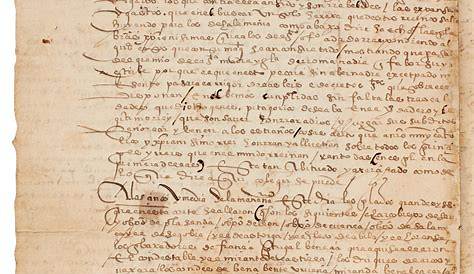
The Spanish Inquisition was established in 1478 by the Catholic Monarchs, Ferdinand II of Aragon and Isabella I of Castile, primarily to enforce religious conformity in Spain. Its key objective was to ensure that all subjects adhered to Catholicism, especially following the Reconquista, which expelled Muslim rule from Spain. While many associate the Inquisition with torture and persecution, it was also a means of unifying a diverse society under a single faith, reflecting the complexities of the time.
What was the Spanish Inquisition really about?
The foundational purpose of the Spanish Inquisition was to establish religious unity in Spain. After the Reconquista, where Catholic monarchs reclaimed territory from Muslim rulers, the newly unified Spain faced the challenge of integrating diverse religious communities. The Inquisition primarily targeted converts from Judaism and Islam—known as conversos and moriscos, respectively—ensuring they genuinely adhered to Catholic practices. The monarchy believed that religious homogeneity was essential for national stability and strength during this time of immense social and political change. However, the Inquisition's methods fostered widespread fear and suspicion, as it targeted not only those with differing beliefs but also individuals accused of heresy within the Catholic community itself. Thus, while many view the Inquisition as solely focused on punishing non-Christians, it also aimed to purify the faith of all subjects in Spain, reflecting the broader challenges of a diverse society marked by significant upheaval.
How did the Inquisition operate day-to-day?
The day-to-day operations of the Inquisition were complex and often shrouded in secrecy. It operated through a network of local tribunals that reported to a central authority. These tribunals were staffed by inquisitors, typically clergy with legal training. When a case was brought before them—often initiated by anonymous denunciations—they began investigations that included interrogations, witness examinations, and evidence collection. Torture was sometimes employed to extract confessions, although not all cases involved such extreme measures. The accused had limited rights and often faced a presumption of guilt. Notable figures included Tomás de Torquemada, the first Grand Inquisitor, known for his zealous enforcement of Catholic orthodoxy. While some considered the Inquisition a necessary tool for maintaining social order, others criticized its harsh methods and lack of due process. The Inquisition aimed to uphold religious standards, but its operations often created a climate of fear and mistrust among communities.
Who were the main victims of the Inquisition?
The Spanish Inquisition primarily targeted conversos, or Jewish converts to Christianity, who were suspected of secretly practicing Judaism. Following the 1492 expulsion of Jews from Spain, many converted to Catholicism to remain in the country, but this did not spare them from scrutiny. The Inquisition accused them of heresy, leading to trials that could result in severe punishments, including execution. Muslims, or moriscos, faced similar fates; many had converted to Christianity but were still viewed with suspicion. Additionally, the Inquisition sometimes targeted other groups, such as Protestants and those accused of witchcraft. The consequences for these groups were dire, often resulting in imprisonment, torture, and even death. It's a misconception that only non-Christians were affected; even those within the Catholic community could fall victim if deemed to hold unorthodox beliefs. This widespread persecution created a culture of fear and led to significant social and familial disruptions.
What were the broader impacts of the Inquisition on society?
The impacts of the Spanish Inquisition extended far beyond religious persecution. Culturally, it fostered an environment of suspicion and intolerance that permeated Spanish society. Intellectuals and artists faced censorship, leading many to flee the country to escape persecution, which stifled creativity and innovation. Politically, the Inquisition became a tool for the monarchy to assert control over diverse populations, aligning religious authority with royal power. Societal divisions deepened as communities were pitted against one another, resulting in a legacy of mistrust that influenced Spanish identity for centuries. In the long term, the Inquisition contributed to Spain’s decline during the Enlightenment as it lagged behind other European nations in intellectual and economic development. The Inquisition’s legacy of intolerance continues to resonate today in discussions about religious freedom and human rights in Spain and beyond.
What lessons can we learn from the Spanish Inquisition today?
Reflecting on the Spanish Inquisition offers valuable lessons about the dangers of religious intolerance and the importance of protecting human rights. It illustrates how fear and suspicion can lead to systemic abuses and the erosion of justice. The Inquisition reminds us to uphold principles of tolerance and pluralism in the face of ideological conflicts. Understanding this dark chapter in history encourages dialogue and empathy among diverse communities, ensuring that the mistakes of the past are not repeated. By fostering an environment where differences are respected, society can work toward a more inclusive and harmonious future.
Conclusion
To grasp the complexities of the Spanish Inquisition, start by exploring its historical context and the motivations behind its establishment. Understand how it operated and who its victims were, while being mindful of its broader societal impacts. By acknowledging the lessons from this period, you can foster a greater appreciation for contemporary discussions on tolerance and human rights. The Inquisition was not merely about persecution; it was also about the struggle for identity and control in a diverse society.
Frequently Asked Questions
What was the main purpose of the Spanish Inquisition?
The main purpose of the Spanish Inquisition was to enforce religious conformity in Spain, particularly among converted Jews and Muslims, ensuring that all subjects adhered to Catholicism after the Reconquista.
How did the Inquisition affect Jews in Spain?
Jews faced severe persecution during the Inquisition, particularly conversos who were suspected of secretly practicing Judaism. Many were tried, imprisoned, or executed, leading to a significant Jewish diaspora.
Did the Spanish Inquisition also target Christians?
Yes, the Inquisition targeted not only non-Christians but also Christians deemed heretical, including those with unorthodox beliefs within the Catholic Church.
What were the consequences of the Inquisition for Spanish society?
The Inquisition had profound impacts on Spanish society, fostering a culture of fear and suspicion, stifling intellectual and cultural growth, and deepening societal divisions.
What can we learn from the Spanish Inquisition today?
We can learn about the importance of religious tolerance and the dangers of ideological extremism. The Inquisition's legacy reminds us to advocate for human rights and dialogue among diverse communities.