Understanding Simón Bolívar's Impact on Latin America
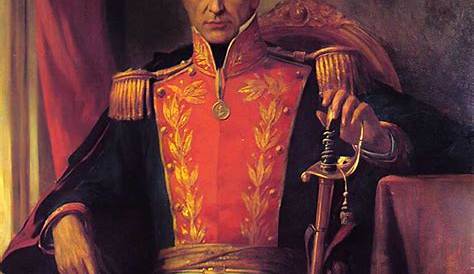
Simón Bolívar, known as "El Libertador," was a key figure in the independence movements across several South American countries in the early 19th century. His leadership was crucial in liberating territories that are now Venezuela, Colombia, Ecuador, Peru, and Bolivia from Spanish colonial rule. Bolívar envisioned a united Latin America, free from colonial influence, and his legacy is a complex mix of military strategy, political ideology, and an unwavering quest for freedom.
Who was Simón Bolívar and why is he important?
Simón Bolívar was born on July 24, 1783, in Caracas, Venezuela, into a wealthy family. Orphaned at a young age, he was educated in Europe, where he encountered Enlightenment ideas that influenced his political beliefs. Bolívar emerged as a prominent leader in the independence movement against Spanish colonial rule in the early 19th century. His significance lies not only in his military victories but also in his vision of a united Latin America at a time when the region faced fragmentation. Bolívar's leadership inspired a wave of nationalism that helped shape the continent's identity and politics, establishing him as a symbol of liberation across Latin America.
What were Bolívar's major achievements?
Bolívar's achievements are closely linked to his military successes and political reforms. He led several key battles, including the Battle of Boyacá in 1819, which secured Colombia's independence, and the Battle of Carabobo in 1821, crucial for Venezuela's liberation. Bolívar played a significant role in establishing Gran Colombia, a republic that united modern-day Colombia, Venezuela, Ecuador, and Panama, although it was short-lived. He also drafted the Constitution of 1821, intending to create a democratic government reflecting his ideals of liberty and equality. These accomplishments transformed the political landscape of South America and paved the way for future independence movements.
What challenges did Bolívar face?
Despite his successes, Bolívar encountered numerous challenges that complicated his goals. He struggled with internal divisions among his allies and rival factions, often clashing over political ideologies and power. Personal betrayals, such as that by his close associate Francisco de Miranda, compounded his difficulties. Bolívar also faced the vast geographical expanse of the territories he sought to unite, complicating military campaigns and governance. Following initial victories, Bolívar experienced growing disillusionment among the populace and political instability, which ultimately led to his resignation. His idealistic vision often clashed with the practical realities of governance, resulting in a turbulent legacy.
How did Bolívar's vision shape Latin America?
Bolívar envisioned a Latin America that was united, democratic, and free from colonial influence. His political ideals emphasized liberty, popular sovereignty, and the necessity for a collective identity among the diverse nations of South America. Bolívar's speeches and writings reflected his belief that unity was essential to prevent foreign intervention and internal conflict. However, his vision faced significant obstacles, as regional identities and rivalries often overshadowed his calls for unity. Despite these challenges, Bolívar's ideals continue to resonate in contemporary discussions about political integration in Latin America, influencing movements that aim to foster cooperation among nations.
What can we learn from Bolívar's legacy today?
Bolívar's legacy serves as a reminder of the complexities of leadership and the challenges involved in achieving unity within diverse societies. His life emphasizes the importance of vision in driving social change, as well as the necessity for adaptability in the face of reality. Today, Bolívar's ideas about democracy and unity remain relevant, particularly in discussions surrounding regional cooperation in Latin America. Studying Bolívar offers insights into ongoing struggles for democracy and efforts to strengthen ties among countries in the region, encouraging critical reflection on how history informs present and future political landscapes.
Conclusion
To appreciate Bolívar's impact, examine his military strategies and their outcomes, which highlight his tactical acumen. His vision for a united Latin America was both inspiring and fraught with challenges, reflecting the complexities of nationalism. Understanding these facets will enhance your appreciation of Latin American history and the ongoing relevance of Bolívar's ideals today.
Frequently Asked Questions
What nickname is Simón Bolívar known by?
Simón Bolívar is often referred to as "El Libertador," meaning "The Liberator" in Spanish. This title reflects his role in leading independence movements across several South American countries.
Which countries did Bolívar help to liberate?
Bolívar played a crucial role in the independence movements of Venezuela, Colombia, Ecuador, Peru, and Bolivia, significantly contributing to their liberation from Spanish colonial rule.
What was Gran Colombia?
Gran Colombia was a republic established in 1819 that included modern-day Colombia, Venezuela, Ecuador, and Panama. Bolívar aimed to unite these territories into a strong, independent political entity, though it eventually dissolved in the early 1830s due to regional differences.
What were Bolívar's political beliefs?
Bolívar advocated for democracy, liberty, and national unity. He sought a government that reflected the will of the people, although his vision often faced challenges due to the diverse political landscape of Latin America.
How is Bolívar remembered today?
Today, Bolívar is celebrated as a national hero in several South American countries. His legacy is honored through monuments, schools, and public spaces, and his ideas continue to shape political discourse in the region.