Understanding the Legacy of Shankar–Jaikishan in Indian Cinema
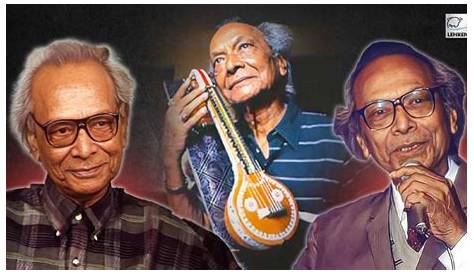
Shankar–Jaikishan significantly impacted Indian film music by merging traditional Indian melodies with Western styles. Their innovative compositions not only defined the sound of Bollywood but also transformed film soundtracks in India. Understanding their contributions will deepen your appreciation for the evolution of film music in the country.
Who were Shankar–Jaikishan and why are they important?
Shankar–Jaikishan were a musical duo comprising Shankar Singh Raghuvanshi and Jaikishan Dayabhai Wakankar, who gained prominence in the 1950s. They were among the first composers in Indian cinema to blend classical Indian music with Western influences, setting a new standard for film compositions. Their significance lies not just in their numerous chart-topping hits but also in their storytelling through music, which enhanced the emotional depth of films like "Awara" and "Shree 420." Their innovative approach shaped the sound of Bollywood and laid the groundwork for future composers, making them a cornerstone of Indian cinema history.
What are their most famous compositions?
Shankar–Jaikishan created some of the most memorable songs in Bollywood's history. Classics like "Awara Hoon," "Dum Dum Dee Dee," and "Mere Sapno Ki Rani" showcase their ability to blend melody and rhythm with engaging lyrics. Each song often reflected the narrative of the films while resonating with the audience's emotions. For example, "Awara Hoon" became an anthem of youthful rebellion and highlighted Raj Kapoor's character's struggles. Their work in films such as "Chori Chori" and "Jis Desh Mein Ganga Behti Hai" further established their reputation, as they experimented with various genres and styles, ensuring their compositions remained fresh and appealing. Their music often featured elements of folk, classical, and Western genres, creating a rich tapestry that influenced generations of listeners.
How did they innovate the sound of Bollywood music?
Shankar–Jaikishan were trailblazers in orchestration and instrumentation, frequently employing a full symphony orchestra in their compositions. They introduced Western instruments, such as the saxophone and guitar, into Indian film music, creating a unique fusion that had not been heard before. Collaborating with lyricists like Shailendra and Hasrat Jaipuri enriched their music, adding poetic depth that complemented their melodies. They also experimented with different genres, from folk to jazz, ensuring their music was versatile and engaging. This innovation not only distinguished them from their contemporaries but also influenced the direction of film music in India, encouraging future composers to explore their own styles.
What challenges did they face in their careers?
Like many artists, Shankar–Jaikishan encountered various challenges throughout their careers. They faced the pressures of a competitive film industry, where many new composers emerged, vying for the same opportunities. Their partnership was sometimes strained by creative differences, particularly regarding the musical direction of their projects. Additionally, controversies surrounding their music, such as allegations of plagiarism, were not uncommon in the industry. Despite these challenges, they managed to maintain their stature and continued producing music that resonated with audiences, demonstrating their resilience and dedication to their craft.
What is their lasting legacy in today’s music?
The legacy of Shankar–Jaikishan is evident in contemporary music, as their influence resonates across various genres in Indian cinema. Modern composers often cite them as inspirations, particularly in their approaches to melody and orchestration. Today's songs frequently echo their innovative blending of styles, and remakes or tributes to their classics keep their music alive for new generations. Filmmakers continue to draw upon their compositions, recognizing the timeless quality of their work. Their ability to evoke emotion through music remains a benchmark for many artists, ensuring that their contributions to Indian cinema will not be forgotten.
Conclusion
To truly appreciate Shankar–Jaikishan, start by listening to their most iconic songs and exploring the films they scored. Notice how their music enhances the narrative and emotional depth of the stories. While some modern compositions may echo their style, understanding the nuances of their innovation can deepen your appreciation for both their work and the evolution of film music in India.
Frequently Asked Questions
What genres did Shankar–Jaikishan blend in their music?
Shankar–Jaikishan blended classical Indian music with various Western genres, including jazz, folk, and pop. This fusion allowed them to create unique soundscapes that appealed to a broad audience.
Which films are considered their masterpieces?
Some of their masterpieces include "Awara," "Shree 420," "Chori Chori," and "Jis Desh Mein Ganga Behti Hai." These films feature some of their most memorable compositions that continue to resonate with audiences.
Did Shankar–Jaikishan collaborate with any famous singers?
Yes, Shankar–Jaikishan collaborated with many renowned playback singers, including Mukesh, Lata Mangeshkar, and Kishore Kumar. Their partnerships often resulted in some of the most iconic songs in Bollywood history.
How did Shankar–Jaikishan impact future music composers?
Shankar–Jaikishan's innovative approaches to composition, orchestration, and blending of styles set a precedent for future music composers in Bollywood. Many contemporary composers cite them as influences in their work.
What challenges did Shankar–Jaikishan face during their career?
They faced challenges like competition from emerging composers, creative differences, and controversies regarding their music. Despite these obstacles, they remained highly successful and influential figures in the industry.