What to Expect from the September 2026 Nor'easter
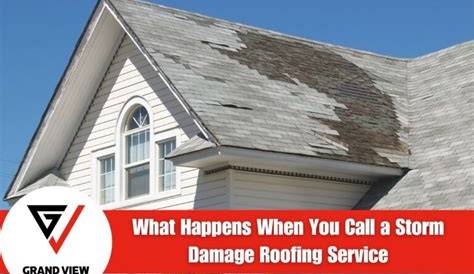
As a homeowner in the Northeast, you’re likely worried about the September 2026 nor'easter and its potential impact on your property. This storm is expected to bring significant winds and heavy rainfall, which can lead to flooding and structural damage. Understanding the storm's expected path and severity will help you prepare effectively, ensuring your safety and minimizing damage to your home.
What should I expect from the September 2026 nor'easter?
The September 2026 nor'easter is predicted to develop along the East Coast, drawing in moisture from the Atlantic. Meteorologists anticipate that it will hit late in the month, with the worst conditions likely occurring over a 48-hour period. Expect sustained winds of 40-60 mph and rainfall totals of 4-8 inches in many areas. Coastal flooding is likely, especially during high tides. While the exact path may shift as the storm approaches, initial forecasts suggest it will affect states from New Jersey to Maine. Watch for updates as the storm date approaches to get a clearer picture of what to expect for your specific area.
How can I stay safe during the storm?
Safety should be your top priority during the nor'easter. Prepare an emergency kit that includes flashlights, batteries, non-perishable food, water, and any necessary medications. Establish a communication plan with your family so everyone knows how to reach each other in case of power outages. If local authorities issue evacuation orders, comply promptly and have a plan for where to go. Stay indoors during the worst of the storm, and avoid using candles for light, as they pose a fire risk. If you must travel to escape, monitor road conditions and avoid flooded areas.
What are the best ways to protect my home?
Securing your home ahead of the storm can prevent costly repairs later. Check your windows and doors; install storm shutters if possible, or board them up with plywood. Clear gutters and downspouts to ensure proper drainage and reduce the risk of flooding. Bring in or secure outdoor furniture, grills, and decorations that could become projectiles in strong winds. Consider using sandbags to divert water away from your foundation. Trim any branches from trees close to your house that could break off and cause damage. These steps can significantly lower the risk of wind and water damage.
What should I do after the storm passes?
After the storm, assess any damage to your home. Check for leaks, cracks, or structural issues. If you find damage, take pictures for your insurance claim before starting repairs. Contact your insurance provider as soon as possible to report the damage and begin the claims process. Be cautious of downed power lines and report them to the utility company. When starting cleanup, wear protective gear and avoid wading into floodwaters due to health hazards. Take your time and prioritize safety above all else.
Where can I find real-time updates during the storm?
During the nor'easter, staying informed is crucial. The National Weather Service (NWS) provides up-to-date alerts and forecasts specific to your area. Local news stations often offer timely coverage and updates on conditions and safety measures. Follow your local emergency management office on social media for real-time information. Weather apps on your smartphone can send notifications, but ensure you have multiple sources to verify information.
Conclusion
Begin your preparations now by assembling an emergency kit and securing your home against potential damage. Closely monitor weather updates as the storm approaches to stay aware of changing forecasts. By taking proactive steps, you can better protect yourself and your property, minimizing the impact of the September 2026 nor'easter.
Frequently Asked Questions
What areas will be most affected by the September 2026 nor'easter?
The storm is expected to impact a wide range of areas along the East Coast, particularly from New Jersey to Maine. Coastal towns may face heightened risks of flooding and wind damage.
Should I evacuate if my area is under a storm warning?
If local authorities issue an evacuation order, comply for your safety. Ensure you have a safe place to go and a plan for transportation.
How can I prepare my yard for the storm?
Trim trees and shrubs, secure or bring in outdoor furniture, and clear gutters to prevent flooding. These steps will help reduce potential damage to your property.
What should I do if I lose power during the storm?
Use flashlights instead of candles to avoid fire hazards. Keep your refrigerator closed to preserve food, and only use generators outside to prevent carbon monoxide buildup.
How can I find out when it’s safe to return home after the storm?
Listen for updates from local emergency services and news outlets. They will provide information on road conditions and safety assessments of affected areas.