Understanding the Role of the Royal Virgin Islands Police Force
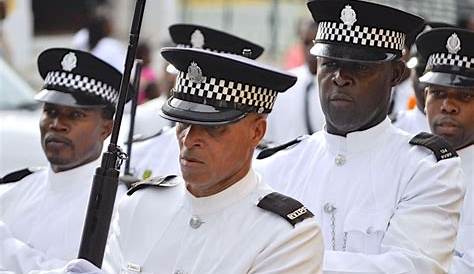
As a resident of the British Virgin Islands, understanding the role of the Royal Virgin Islands Police Force (RVIPF) is crucial for your community safety. The RVIPF is responsible for maintaining public safety, enforcing laws, and preventing crime. By engaging with the community, they build trust and foster a safer environment for everyone. This article provides an overview of the RVIPF’s main duties, how to report a crime, and the community programs they implement.
What does the Royal Virgin Islands Police Force do?
The Royal Virgin Islands Police Force has several key responsibilities aimed at maintaining law and order. Their primary functions include enforcing laws, investigating crimes, and ensuring the safety of both residents and visitors. Officers patrol neighborhoods, respond to emergencies, and handle incidents ranging from minor disturbances to serious criminal activities.
Beyond law enforcement, the RVIPF emphasizes crime prevention through educational initiatives and community outreach. They raise awareness about safety practices and encourage citizens to report suspicious activities. This combined approach of enforcement and prevention promotes a safer community. Additionally, the RVIPF collaborates with agencies such as immigration and customs to address broader issues like smuggling and human trafficking.
The effectiveness of the RVIPF often relies on community cooperation. When residents actively engage with the police, it strengthens the overall safety network in the territory.
How can I report a crime effectively?
Reporting a crime is straightforward, but providing the right information is crucial. If you witness a crime or become a victim, your first step is to contact the RVIPF. You can reach them by calling their emergency number, visiting your local police station, or using their online reporting system if available.
When reporting, be ready to provide specific details such as the nature of the crime, the location, the time it occurred, and descriptions of any suspects or vehicles involved. Information from witnesses can also be valuable. The more precise you are, the easier it will be for the police to respond effectively.
After reporting, the police will typically take your statement and may ask follow-up questions. They will file an official report that can be used for insurance claims or legal proceedings. It’s crucial to maintain communication with the police; request a contact person so you can follow up on the case if needed.
What community programs are offered by the police?
The Royal Virgin Islands Police Force actively engages with the community through various outreach programs designed to enhance safety and build trust. One notable initiative is the Neighborhood Watch program, which encourages residents to collaborate with the police to monitor their neighborhoods and report suspicious activities. This program fosters a sense of community and empowers individuals to take an active role in their safety.
Another significant initiative is the Youth Engagement Initiative, where officers visit schools to educate children about the law and the importance of making safe choices. These interactions help demystify the police force and cultivate positive relationships between young people and law enforcement. Workshops and seminars on crime prevention, drug awareness, and personal safety are also part of their outreach efforts.
These programs have shown positive impacts in participating areas by reducing crime rates and enhancing community cohesion. Through proactive engagement, the RVIPF aims to create an environment where residents feel safe and supported.
What are the police's powers and limitations?
The Royal Virgin Islands Police Force operates under specific legal frameworks that define their powers and limitations. Their primary authority includes making arrests, conducting searches, and enforcing laws to maintain public order. However, these powers have boundaries; for example, police cannot conduct searches without probable cause or a warrant, except in certain emergencies.
There is a common misconception that police have the authority to act without oversight. In reality, their actions are subject to legal scrutiny, and there are accountability mechanisms in place. Residents can file complaints if a police officer oversteps their authority. Understanding these boundaries empowers residents and ensures that police actions remain just and lawful.
While the police are there to protect you, they operate within a system designed to uphold the law and respect individual rights.
How can I get involved with local policing efforts?
Getting involved with local policing efforts can be a rewarding way to contribute to community safety. One effective way is to participate in the Neighborhood Watch program, which connects you with neighbors and the police to watch out for each other. This program helps you develop relationships with both residents and law enforcement, promoting a safer environment.
Additionally, the RVIPF often seeks volunteers for community events and educational initiatives. Engaging in these activities provides insight into the policing process and helps build trust between the police and the community. You can also attend local community meetings where police officers discuss safety concerns and gather feedback from residents. These platforms allow you to voice your thoughts and contribute to effective policing strategies.
By taking these steps, you not only enhance safety in your area but also become an active participant in shaping your community.
Conclusion
To engage with the Royal Virgin Islands Police Force, consider participating in a community safety program like Neighborhood Watch or attending local meetings. This involvement can deepen your understanding of law enforcement in your area and help create a safer community. Don't hesitate to report any suspicious activities or crimes you encounter, as this cooperation is vital for effective policing. A positive outcome looks like a community that feels informed, secure, and connected with its police force.
Frequently Asked Questions
What should I do if I see a crime happening?
If you witness a crime in progress, ensure your safety first. If it's safe, contact the police immediately by calling their emergency number and provide as much detail as possible about what you observe.
How can I find out more about community policing programs?
You can learn about community policing programs by visiting the Royal Virgin Islands Police Force's official website or contacting your local police station, where they often have brochures and information on how to get involved.
Can I report a crime anonymously?
Yes, the RVIPF allows for anonymous reporting in some cases. You can reach out through hotlines or specific programs that protect your identity if you wish to remain anonymous.
What happens after I report a crime?
After you report a crime, the police will take your statement and may conduct an investigation. They will keep you informed about any developments and may ask for further information as needed.
Are police officers in the British Virgin Islands armed?
Yes, police officers in the British Virgin Islands carry firearms as part of their duty to enforce laws and maintain public safety. They are trained to use them judiciously and in accordance with the law.