Understanding Raghunatha Nayak: His Life and Legacy
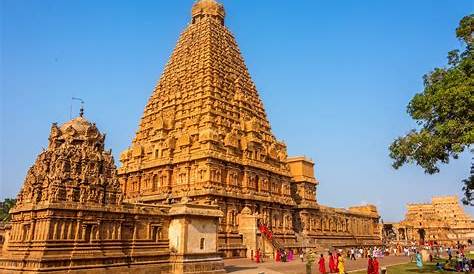
Raghunatha Nayak was a prominent ruler of the Thanjavur Nayak dynasty in South India during the 17th century. His reign from 1600 to 1634 was notable for its prosperity and significant cultural advancements, particularly in the arts and architecture.
Who was Raghunatha Nayak?
Raghunatha Nayak was born into the Nayak dynasty, which descended from the Vijayanagara Empire. He ascended to the throne around 1600 after the death of his father, a previous Nayak ruler. His reign emphasized consolidating power and fostering the arts. Under his leadership, Thanjavur became a thriving center for culture and administration, attracting scholars, artists, and craftsmen from various parts of India.
What were his key contributions?
Raghunatha Nayak made several important contributions to his kingdom. One of his most notable achievements was the construction of the famous Brihadeeswarar Temple in Thanjavur, which exemplifies the grandeur of South Indian architecture. He promoted various art forms, including classical dance and music, encouraging local artists and patronizing performances. Additionally, he implemented administrative reforms that improved tax collection and governance, ensuring the prosperity of his kingdom. For example, he established a system for efficient revenue collection that allowed for better resource management. His commitment to the arts and effective administration significantly elevated Thanjavur's status during his reign.
How did he influence South Indian culture?
Raghunatha Nayak played a crucial role in shaping the cultural landscape of South India. His patronage of the arts led to the flourishing of classical music and dance, particularly Bharatanatyam, which gained prominence during his reign. He supported literature, encouraging poets and scholars to enrich Tamil literature. His influence persists today, as many artistic traditions he supported continue to thrive in contemporary South Indian culture. Visiting Thanjavur today, one can see many art forms and cultural practices that trace their roots back to his time.
What challenges did he face during his reign?
During Raghunatha Nayak's reign, he encountered several political and military challenges. The expansionist policies of neighboring kingdoms, such as the Marathas, posed a constant threat. To counter these threats, he strengthened his military and forged alliances with other regional powers. He also faced internal dissent from local chieftains who resisted his authority. Through strategic diplomacy and military campaigns, he managed to maintain control over his kingdom and secure its borders.
Common misconceptions about Raghunatha Nayak
One common misconception is that Raghunatha Nayak was solely a warrior king. While he engaged in military campaigns, his legacy is more profoundly linked to his contributions to culture and the arts. Another myth is that his reign was marked only by conflict; in reality, it was also a time of significant cultural and economic development. Some people believe his patronage of the arts was limited to temple activities, but it extended to various secular art forms as well.
Conclusion
To appreciate the full scope of Raghunatha Nayak's impact, one should explore his architectural achievements and the cultural practices that flourished during his reign. His legacy continues to inspire artists and historians alike, making him a pivotal figure in understanding South Indian history.