Understanding Postpartum Confinement: What You Need to Know
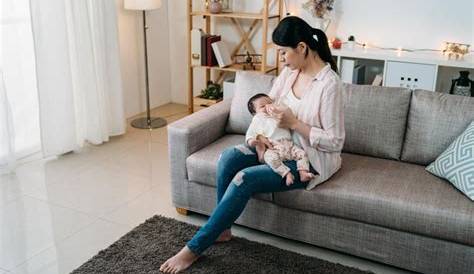
Postpartum confinement is a traditional practice that allows new mothers to rest and recover after giving birth, typically lasting about a month. This period emphasizes healing both physically and emotionally, helping mothers adjust to their new roles and bond with their newborns. Understanding postpartum confinement can demystify the practices involved and clarify its benefits for your recovery.
What is postpartum confinement and why is it important?
Postpartum confinement, also known as the "sitting month" or "zuo yuezi" in Chinese culture, is a practice that involves dedicated time for rest and care of new mothers after childbirth. This practice acknowledges the physically and emotionally taxing nature of childbirth. The goal is to allow mothers to recover from labor, support breastfeeding, and bond with their newborns without the pressure of daily responsibilities.
This time is meant for focusing on recovery, which includes physical healing from childbirth and emotional adjustments to motherhood. Prioritizing the mother’s recovery is believed to enhance long-term health for both mother and child, reducing the risk of postpartum complications. While different cultures have unique customs surrounding this practice, the core principle remains the same: supporting the mother’s recovery is essential for the well-being of the entire family.
What practices are typically involved in postpartum confinement?
Practices during postpartum confinement can vary widely by culture but generally focus on dietary recommendations, rest, and social customs. Many traditions advocate for a nourishing diet rich in warm foods, such as soups and broths, which are thought to restore energy and improve milk production. Foods high in protein and vitamins are often emphasized to aid healing.
Rest is another vital aspect of confinement. New mothers are encouraged to sleep when the baby sleeps, minimizing physical exertion to facilitate healing. In some cultures, family members help with household chores, allowing the mother to concentrate solely on her recovery and bonding with her child.
Social customs can also influence the experience. For instance, some cultures advise limiting visits from friends and relatives during the early weeks to prevent overstimulation and ensure the mother can rest. Others may include rituals or ceremonies to celebrate the new mother and her child. While these practices can provide support, it's important to adapt them to your own lifestyle and comfort level.
What physical and emotional changes should I expect?
During postpartum confinement, you can expect various physical and emotional changes. Physically, your body is healing significantly, which may involve recovery from vaginal tearing or cesarean surgery that can take several weeks. You might feel fatigued, experience changes in appetite, and encounter discomfort as your body adjusts back to its pre-pregnancy state. Hormonal fluctuations are also common and can affect both your mood and energy levels.
Emotionally, many new mothers experience a mix of feelings. You may feel joy and excitement, but also anxiety, sadness, or overwhelm as you adapt to motherhood. These feelings are normal and often temporary. Some mothers may face postpartum depression, which can require additional support. It's crucial to have a supportive network during this time to help manage emotional fluctuations and create a nurturing environment for you and your baby.
Can I customize my confinement experience?
Yes, you can customize your postpartum confinement experience to suit your individual needs and preferences. While traditional practices can be beneficial, not every recommendation may resonate with you. For instance, if you have dietary restrictions or prefer certain foods, you can adjust your meal plan accordingly.
You also have the flexibility to manage social interactions based on your comfort. If too much company feels overwhelming, it's perfectly fine to set boundaries around visits. Conversely, if you thrive on social support, inviting friends and family may be beneficial. The key is to maintain the essential aspects of postpartum confinement—rest and recovery—while creating a personal experience that feels right for you.
What are practical tips for navigating confinement today?
Implementing postpartum confinement practices in modern life can be achieved through practical strategies. First, prioritize rest by creating a comfortable space in your home where you can relax with your baby. Consider placing your sleeping area near the nursery to simplify nighttime feedings.
Next, build a support system. If possible, enlist family and friends to assist with household chores or provide meals. Postpartum doulas and meal delivery services can also support new mothers during this period.
Communicate your needs clearly with those around you. Whether you need help with physical tasks, emotional support, or just someone to listen, being open about your requirements can ease this transition. Finally, stay flexible; some days will be easier than others, and that’s completely normal.
Conclusion
Start by giving yourself permission to rest and heal. Focus on the elements of postpartum confinement that resonate with you—whether that's nourishing meals, ample rest, or limited social interaction. Remember, the goal is to support your recovery and bond with your baby. Each mother's experience of a successful confinement period is unique, but it generally involves feeling more balanced physically and emotionally as you transition into motherhood.
Frequently Asked Questions
What is the duration of postpartum confinement?
Postpartum confinement typically lasts about 30 days, but this can vary depending on cultural practices and personal preferences. Some mothers may choose to extend this period if they feel it's beneficial to their recovery.
Can I have visitors during postpartum confinement?
Yes, you can have visitors, but it's essential to set boundaries that make you comfortable. Some mothers prefer to limit visits to maintain a peaceful environment, while others welcome support from friends and family.
What if I don't want to follow traditional confinement practices?
It's completely okay not to follow all traditional practices. You can customize your postpartum experience to fit your needs while still embracing the key benefits of rest and recovery.
How can I manage my emotional health during confinement?
Managing emotional health during confinement can include seeking support from loved ones, talking to a therapist, or joining a support group for new mothers. It's vital to reach out if you're feeling overwhelmed.
Is it safe to exercise during postpartum confinement?
Light exercise like walking is usually encouraged after birth, but more intense workouts should be avoided until you feel ready. Always listen to your body and consult a healthcare provider if unsure.