Understanding the Persecution of Feyli Kurds in Iraq
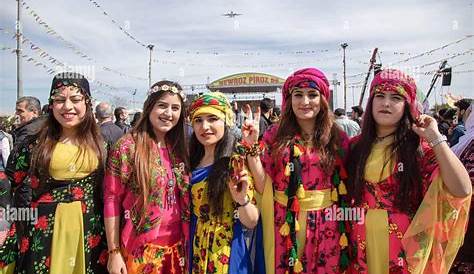
The Feyli Kurds are a distinct ethnic group in Iraq known for their unique cultural and historical identity. They have experienced severe persecution, particularly during the Ba'athist regime, which deeply affected their social, economic, and political status. Understanding their plight involves exploring their background, the key events that led to their suffering, and their current situation in Iraq.
Who are the Feyli Kurds?
The Feyli Kurds are a subgroup of the Kurdish people primarily located in the eastern regions of Iraq, especially around Baghdad and Khanaqin. They possess a rich cultural heritage, including unique traditions, language, and customs that distinguish them from other Kurdish groups. Historically, the Feyli Kurds have been recognized for their Shia Muslim faith, which has significantly influenced their social and cultural practices. Their celebrations often incorporate elements of Shia religious observances, setting them apart from the predominantly Sunni Kurdish population in other areas. Additionally, their distinct identity has made them a target for persecution throughout history.
What happened during the Ba'athist regime?
Under the Ba'athist regime, particularly during Saddam Hussein's rule from 1979 to 2003, the Feyli Kurds faced systematic persecution. This persecution began with the regime's campaign against perceived threats to its power, targeting ethnic and religious minorities. Major events include the mass confiscation of properties owned by Feyli Kurds, often justified by the government as a means to combat alleged disloyalty. In the late 1970s and early 1980s, thousands of Feyli Kurds were arrested and forcibly displaced, with many subjected to violence, execution, or disappearance. These actions were part of a broader agenda to suppress Kurdish identity and promote Arab nationalism.
How did the persecution affect the Feyli community?
The persecution of Feyli Kurds had devastating effects on their community, resulting in significant social, economic, and political consequences. Many Feyli families lost their homes and livelihoods, leading to widespread poverty and displacement. Socially, the community experienced a breakdown of traditional structures, as many were uprooted from their ancestral lands. Politically, the Feyli Kurds found themselves marginalized, unable to participate in governance or advocate for their rights. A significant number sought refuge in neighboring countries or were displaced within Iraq, contributing to a loss of cultural continuity. This situation has created challenges in preserving their language and customs, as younger generations grow up in diaspora.
What is the current situation for Feyli Kurds?
Today, the Feyli Kurdish community continues to face challenges in Iraq. While the fall of Saddam Hussein's regime in 2003 brought some hope for improved treatment, many Feyli Kurds still grapple with issues of identity and recognition. They seek acknowledgment of their suffering during the Ba'athist era and aspire for reparations and rights similar to those afforded to other Kurdish groups. However, political fragmentation and sectarian divisions within Iraq complicate their situation. Many Feyli Kurds are actively advocating for their rights and attempting to reclaim their cultural heritage, often navigating a complex political landscape.
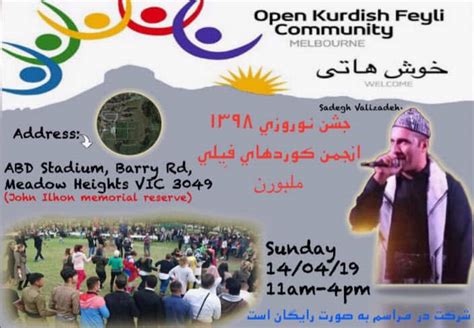
Common misconceptions about the Feyli Kurds
Several misconceptions about the Feyli Kurds need clarification. One common myth is that all Kurds in Iraq share the same experiences and cultural practices, overlooking the diversity within Kurdish groups. Another misconception is that Feyli Kurds are exclusively Sunni; in reality, they are predominantly Shia Muslims, which has shaped their identity and experiences. Additionally, some may believe that the suffering of the Feyli Kurds is a recent phenomenon, but their persecution dates back decades, particularly during the Ba'athist regime.
Conclusion
Exploring the history and current status of the Feyli Kurds illuminates the complexities of ethnic conflicts in Iraq. Engaging with their stories and understanding their struggles can foster greater awareness and support for their rights. For further research, examining the broader context of Kurdish identity in Iraq could provide valuable insights.
Frequently Asked Questions
What are some key cultural practices of the Feyli Kurds?
Feyli Kurds celebrate various religious and cultural festivals, often incorporating Shia Islamic traditions into their practices, such as Ashura commemorations.
How did the Ba'athist regime justify the persecution of Feyli Kurds?
The Ba'athist regime labeled Feyli Kurds as threats to national security and accused them of disloyalty to the Arab state, using this as a pretext for their persecution.
Are Feyli Kurds recognized as a distinct group in Iraq today?
While they are recognized as part of the Kurdish population, Feyli Kurds often struggle for specific recognition of their unique identity and experiences.
What efforts have been made to support the Feyli Kurdish community post-2003?
Various NGOs and Kurdish political entities have worked to address the grievances of the Feyli Kurdish community, but progress has been slow and inconsistent.