Understanding the Netherlands National Football Team
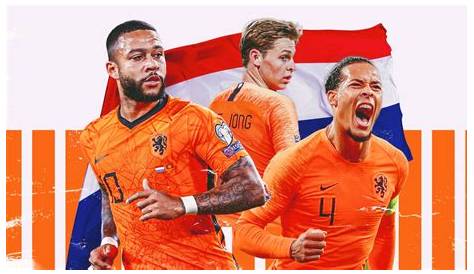
The Netherlands national football team is the representative team for the Netherlands in international men's football. Governed by the Royal Dutch Football Association (KNVB), the team is known for its competitive spirit and innovative playing style, making a significant impact on the global football landscape.
What is the Netherlands national football team?
The Netherlands national football team competes in international men’s football and is governed by the Royal Dutch Football Association (KNVB). The team participates in major tournaments such as the FIFA World Cup and the UEFA European Championship. Typically, they wear orange, which reflects the national color of the Netherlands, and they play their home matches at the Johan Cruyff Arena in Amsterdam.
A brief history of the team’s journey
The Netherlands national team played its first match in 1905, beginning its footballing journey. Over the decades, the team's reputation grew, especially with the introduction of 'Total Football' in the 1970s, a tactical approach that transformed the game. Significant milestones include reaching the World Cup final in 1974, 1978, and 2010, finishing as runners-up each time. In European competitions, they secured their first major trophy by winning the UEFA European Championship in 1988, a pivotal moment in their history. This victory showcased their ability to compete at the highest level and solidified their status in international football.
Major achievements and tournaments
The Netherlands national team has had considerable success in international tournaments. They won the UEFA European Championship in 1988, defeating the Soviet Union 2-0 in the final. Additionally, they reached the World Cup final three times: in 1974, losing to West Germany; in 1978, losing to Argentina; and again in 2010, where they were defeated by Spain. The team has consistently qualified for major tournaments, reflecting their competitive nature on the world stage.
Influential players and coaches
Throughout its history, the Netherlands national team has produced many legendary players and influential coaches. Johan Cruyff is perhaps the most famous, celebrated for his skill and for popularizing 'Total Football.' Other notable players include Marco van Basten, known for his memorable goal in the 1988 European final, and Ruud Gullit, a versatile player and captain of the 1988 team. Coaches like Rinus Michels have also played a crucial role in shaping the team's philosophy and success.

The team's style of play and philosophy
The Netherlands is particularly known for its 'Total Football' philosophy, which emphasizes fluid movement, positional interchange, and collective team play. This style allows players to assume multiple roles during a match, creating a dynamic and unpredictable approach to the game. For example, defenders may join attacks while forwards drop back to defend. This tactical innovation fosters a cohesive unit that adapts to the flow of the game and has influenced many teams worldwide.
Conclusion
To appreciate the Netherlands national football team, follow their matches and understand their unique style of play. Engaging with the team's history provides valuable context for their current challenges and successes.
Frequently Asked Questions
What are the team’s colors?
The Netherlands national team typically wears orange, reflecting the national color.
Who is the most famous player in the team's history?
Johan Cruyff is widely regarded as the most famous player in the team's history.
How many times has the Netherlands reached the World Cup final?
The Netherlands has reached the World Cup final three times: in 1974, 1978, and 2010.
What is 'Total Football'?
'Total Football' is a tactical philosophy that emphasizes fluid movement and positional interchange among players.