Understanding Nastic Movements in Plants
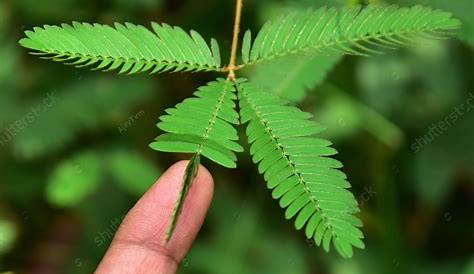
Nastic movements are non-directional responses of plants to environmental stimuli. Unlike tropisms, which involve directional growth towards or away from stimuli such as light or gravity, nastic movements occur independently of the stimulus direction. Instead, they are influenced by internal changes within the plant, allowing for various adaptations to environmental conditions.
What are nastic movements and how do they work?
Nastic movements differ fundamentally from tropisms. While tropisms involve growth towards or away from stimuli—like roots growing downward in response to gravity—nastic movements are non-directional. These movements occur due to internal processes, such as changes in turgor pressure or cell growth, allowing plants to adapt to their environment without altering their growth patterns.
Why do plants use nastic movements?
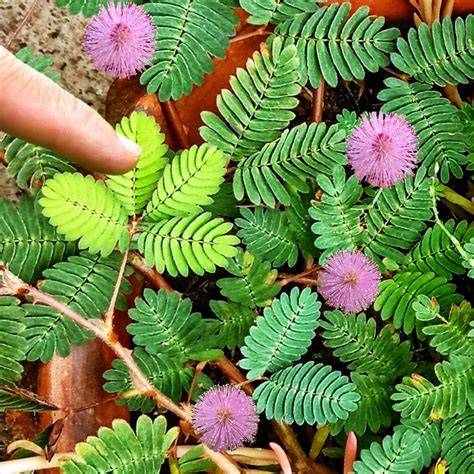
Nastic movements serve crucial functions for plants, including enhancing pollination. By opening and closing at specific times, flowers can attract pollinators when they are most active, ensuring accessibility for insects like bees and butterflies and increasing reproductive success. Additionally, these movements can provide defense; for example, the Mimosa pudica plant folds its leaves rapidly when touched, which may deter herbivores.
What are some examples of nastic movements in nature?
Common examples of nastic movements include nyctinasty and thigmonasty. Nyctinasty relates to daily cycles; for instance, morning glory flowers open in the morning and close at night, helping them avoid frost and maximize sunlight exposure. Thigmonasty, seen in plants like the Venus flytrap, involves rapid movements in response to touch, showcasing the diverse adaptations plants have developed to survive in varying environments.
How do environmental factors influence nastic movements?
Various environmental factors impact nastic movements. Touch is vital for thigmonastic responses; when a plant like Mimosa pudica is touched, it triggers rapid changes in turgor pressure, leading to the quick folding of leaves. Temperature fluctuations also play a role; colder night temperatures can cause certain flowers to close to protect their reproductive structures from frost damage. Recognizing these triggers enhances understanding of plant behavior in relation to their surroundings.
What practical applications do we have for understanding nastic movements?
The study of nastic movements has practical implications, particularly in robotics. Researchers are investigating how these plant behaviors can inspire the design of soft robotics that mimic plant responses to environmental changes. By creating robots that adapt similarly to plants, we can develop more efficient and flexible machines. This intersection of biology and technology illustrates how fundamental biological processes can lead to innovative applications.
Conclusion
To understand nastic movements, focus on how they differ from tropic responses. Recognize their benefits for plant survival and adaptation. By grasping these concepts, you'll gain a deeper appreciation for the intricate ways plants interact with their environments, which is essential for your biology studies. The mechanisms behind nastic movements, driven by simple biological principles, can be linked to real-world examples that enhance your learning experience.
Frequently Asked Questions
What is the difference between nastic movements and tropisms?
Nastic movements are non-directional responses to stimuli, whereas tropisms are directional growth responses. For example, a plant may bend towards light (tropism), but the opening of a flower at specific times is a nastic movement.
Can nastic movements occur in all types of plants?
Not all plants exhibit nastic movements, but many do. Common examples include the Venus flytrap and various flowering plants that open or close their flowers based on the time of day.
How do plants control nastic movements?
Plants primarily control nastic movements through changes in turgor pressure within their cells or via biological clocks that regulate their responses to environmental factors.
Are nastic movements beneficial for plants?
Yes, nastic movements are beneficial as they help plants avoid damage, optimize resource use, and enhance reproductive success by timing their interactions with pollinators.
What role do environmental factors play in nastic movements?
Environmental factors like light, temperature, and touch significantly influence nastic movements. For instance, changes in light levels can trigger the opening or closing of flowers, while touch can cause rapid leaf folding.