Unlocking the Mysteries of the Abandoned
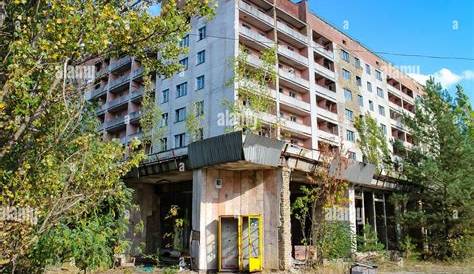
If you've ever explored a forgotten building or encountered a deserted town, you understand the allure of abandoned places. These sites are steeped in history, revealing the stories of lives once lived. From the haunting remnants of Pripyat, a town rendered uninhabitable by the Chernobyl disaster, to the decaying structures of the Detroit Auto Factory, each location has a unique backstory that invites exploration. However, venturing into these spaces comes with complexities and risks that require careful consideration.
What are the most famous abandoned places and their stories?
Pripyat, Ukraine, is one of the most significant abandoned sites. Established in 1970 to house workers of the nearby Chernobyl Nuclear Power Plant, it was evacuated in 1986 due to a catastrophic nuclear disaster. The once-vibrant town stands as a haunting reminder of that day, with overgrown trees reclaiming streets and buildings left to decay. Another important site is the Detroit Auto Factory in Michigan, symbolizing the decline of the American automotive industry. Once a bustling hub of innovation, it fell silent as production moved elsewhere, leaving behind crumbling structures and rusting machinery. Each of these locations carries its own narrative, shaped by historical events and economic shifts. Understanding these histories enriches the experience of exploring them.
Why do we feel drawn to abandoned places?
People are often captivated by abandoned sites due to a mix of nostalgia and curiosity. These places evoke memories of a different time, stirring feelings of loss and reflection on the passage of time. Additionally, the mysteries surrounding abandoned locations pique our interest, as they offer glimpses into forgotten worlds. This blend of emotions compels many to explore and uncover the stories that lie beneath the surface.
What should I know before visiting an abandoned site?
Before visiting an abandoned site, consider several practical aspects. Always seek permission if possible, as many locations are private property, and trespassing can lead to legal issues. Research the site to understand its history and any restrictions. Safety is paramount; wear appropriate clothing and sturdy shoes, and bring a flashlight since many abandoned sites lack proper lighting. Be aware of your surroundings, and consider exploring with a friend for added security. Lastly, respect the site by avoiding vandalism and removing any trash you bring.
What are the risks involved in exploring abandoned locations?
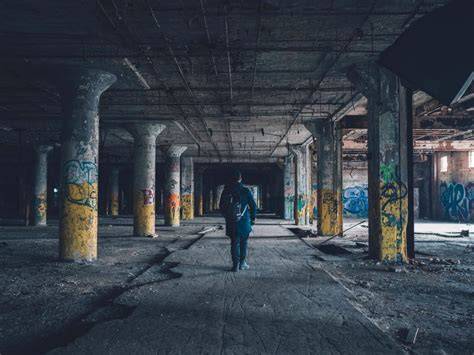
Exploring abandoned places carries several risks. Structural instability is a major concern, as many buildings have weakened floors and crumbling walls, which can lead to falls or injuries. Hazardous materials, such as asbestos or mold, may also pose health risks if disturbed. Furthermore, legal repercussions can arise from entering private property without permission. Weighing these risks against the desire to explore is crucial, as sometimes the thrill of discovery may not be worth the potential dangers.
How can I document my exploration experiences responsibly?
When documenting your exploration of abandoned places, it is essential to do so with respect and integrity. If taking photographs, capture the beauty and history of the site without sensationalizing its decay. Avoid staging images that misrepresent the site's past or significance. When sharing your experiences on social media or blogs, provide context about the location’s history and respect its narrative. Acknowledging the stories behind these places fosters appreciation rather than exploitation. Always consider the impact your documentation may have on the site and the people connected to it.
Conclusion
Begin by researching notable abandoned places in your area or those you wish to visit, paying attention to their histories and stories. Prioritize safety precautions and legal considerations before planning your visit. Document your experiences thoughtfully, highlighting the beauty and history of these locations while being respectful. The goal is to gain a deeper understanding of the past and engage meaningfully with the stories of those who came before.
Frequently Asked Questions
What is urban exploration?
Urban exploration, often referred to as urbex, involves exploring abandoned buildings, factories, and other structures. Enthusiasts seek to uncover the hidden histories of these places and capture their unique atmospheres through photography or writing.
Is it legal to explore abandoned places?
The legality of exploring abandoned places varies by location. Many sites are private property, and entering without permission can lead to trespassing charges. Always check for legal restrictions before planning your visit.
What should I wear when exploring abandoned sites?
When exploring abandoned places, wear sturdy shoes and comfortable clothing suitable for rugged terrain. Consider protective gear like gloves and a mask if you're concerned about hazardous materials or unstable structures.
Can I take items from abandoned places?
Taking items from abandoned sites is generally seen as unethical and can be illegal. These places are often regarded as historical sites, and removing artifacts can diminish their significance and story.
How can I find abandoned places to explore?
You can find abandoned places through online forums, urban exploration groups, or social media. Research local history or use mapping tools to uncover lesser-known locations that may be waiting to be explored.