Understanding the Muslims of Nepal: Culture, History, and Community
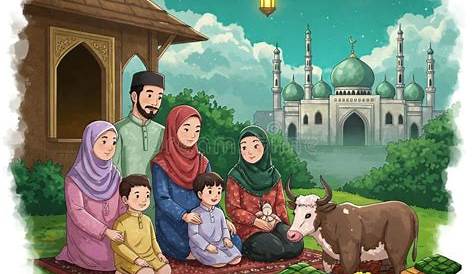
Muslims in Nepal represent a diverse community comprising around 4-5% of the total population. They have deep historical roots and rich cultural practices shaped by various ethnic backgrounds, including indigenous groups and more recent arrivals from South Asia.
Who are the Muslims of Nepal?
Muslims in Nepal are a minority group, making up about 4-5% of the total population. They originate from various ethnic backgrounds, including indigenous Muslim communities like the Newars, who have practiced Islam for centuries, as well as Madhesi Muslims from the southern Terai region. Each group brings distinct customs and traditions, contributing to the overall diversity of the Muslim community in the country.
Historical context of Muslims in Nepal
The presence of Muslims in Nepal dates back several centuries, with records indicating that traders and travelers from the Indian subcontinent began arriving as early as the 7th century. The integration of Muslims into Nepali society accelerated during the Malla period, when Muslim merchants settled in cities like Bhaktapur and Kathmandu. Significant milestones, such as the establishment of the first mosque in the 18th century, marked the formal recognition of Muslims in Nepal. The influence of various Muslim rulers and traditions has led to a blending of cultural practices that continue to shape the community today.
Cultural practices and beliefs
Muslims in Nepal practice Islam while also integrating local traditions. Their religious observances include the five daily prayers, fasting during Ramadan, and attending the mosque for Friday prayers. They celebrate festivals like Eid al-Fitr and Eid al-Adha with enthusiasm, often marked by communal prayers and feasting. Food plays a significant role in their culture, with dishes such as biryani and kebabs being popular. During Eid, families prepare special meals and share them with neighbors, fostering a sense of community and togetherness. Additionally, unique customs, such as specific marriage rituals and community gatherings, reflect the cultural identity of Nepali Muslims.
Challenges faced by Muslim communities
Despite their rich heritage, Muslims in Nepal encounter several social and economic challenges. Discrimination and underrepresentation in political and educational spheres are prevalent issues. Many Muslims experience marginalization, particularly in rural areas where access to resources and opportunities is limited. This often leads to economic hardships, affecting their ability to fully participate in society. Limited access to education can hinder upward mobility, perpetuating cycles of poverty within the community.
How to engage with the Muslim community respectfully
When engaging with Muslim communities in Nepal, it is crucial to approach with respect and understanding. Here are a few tips:
- Learn about their customs and traditions before your visit.
- Dress modestly, especially when visiting mosques or during religious events.
- Be mindful of dietary restrictions, particularly during Ramadan when many Muslims fast during daylight hours.
- Show respect for their religious practices, such as prayer times and festivals.
Conclusion
Exploring the culture and history of Muslims in Nepal can enrich your travel experience. By approaching their communities with respect and curiosity, you'll gain deeper insights into the country's diverse social landscape.
Frequently Asked Questions
What is the percentage of Muslims in Nepal?
Muslims constitute around 4-5% of the total population of Nepal.
What festivals do Muslims in Nepal celebrate?
Muslims in Nepal celebrate Eid al-Fitr and Eid al-Adha, among other religious observances.
Are there any specific customs unique to Nepali Muslims?
Yes, Nepali Muslims blend Islamic practices with local traditions, influencing their food, dress, and community interactions.
What challenges do Muslims face in Nepal?
Muslims in Nepal often face discrimination, underrepresentation, and limited access to education and economic opportunities.