Understanding the Mother Teresa Medal and Its Impact
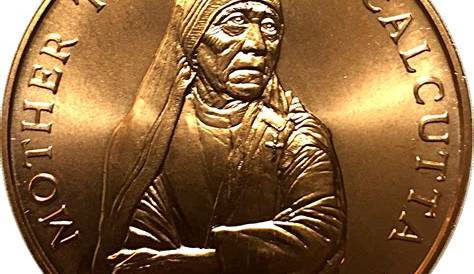
The Mother Teresa Medal is a prestigious award that honors individuals and organizations for their exceptional humanitarian efforts. Established to celebrate the legacy of Mother Teresa, the medal promotes her values of compassion, love, and service to humanity. Understanding the significance of the Mother Teresa Medal is vital for those researching humanitarian awards, as it recognizes outstanding contributions and inspires others to participate in humanitarian work.
What is the Mother Teresa Medal?
The Mother Teresa Medal was created to honor the life and work of Mother Teresa, who devoted her life to serving the poorest and most vulnerable individuals worldwide. This award symbolizes humanitarian excellence, recognizing those who embody qualities of selflessness and dedication to alleviating human suffering. Its purpose extends beyond recognition; it encourages a collective commitment to addressing social injustices and fostering global peace and love. By highlighting the diverse ways individuals can improve society, the medal continues to inspire others to follow in Mother Teresa's footsteps.
Who is eligible for the Mother Teresa Medal?
The Mother Teresa Medal is open to a wide range of nominees, including individuals, organizations, and groups that have made significant contributions to humanitarian causes. Eligible candidates might be social workers, activists, educators, healthcare professionals, or volunteers who have demonstrated an unwavering commitment to helping others. The primary criterion is alignment with the values exemplified by Mother Teresa, such as compassion, service, and selflessness. Organizations that promote social justice or provide aid to marginalized communities are also eligible for nomination. It's crucial that nominees' contributions result in a positive and lasting impact on society.
Who has received the Mother Teresa Medal?
Notable recipients of the Mother Teresa Medal include individuals from various backgrounds, each making meaningful contributions to society. For instance, social workers who have dedicated their lives to serving the homeless, advocates for children's education, and healthcare providers in underserved areas have all been honored with this medal. One recipient established a community kitchen that feeds thousands of impoverished families monthly, while another is a doctor who volunteered in war-torn regions to provide essential medical care. These individuals exemplify how one person's commitment to humanitarian work can create widespread positive change, encouraging others to take similar actions.
How is the Mother Teresa Medal awarded?
The nomination process for the Mother Teresa Medal involves submitting a detailed application outlining the nominee's contributions to humanitarian efforts. This process is overseen by a selection committee composed of individuals knowledgeable about humanitarian issues. Nominations can be submitted by community organizations, non-profits, or even members of the public. After the nomination period closes, the committee reviews the applications, evaluates the nominees' impact, and selects the recipients. Although timelines may vary, this process culminates in an annual awards ceremony where the medals are presented, celebrating the honorees' dedication to service.
What impact does the Mother Teresa Medal have on recipients and communities?
Receiving the Mother Teresa Medal profoundly affects both the recipients and the communities they serve. For recipients, the recognition often provides encouragement and validation, motivating them to continue their work and pursue new initiatives. This award can also enhance their visibility, helping them attract support and resources for their projects. For communities, the medal raises awareness of pressing humanitarian issues and inspires more individuals to get involved in similar causes. This ripple effect can lead to increased volunteerism, funding, and attention to specific social issues, fostering a culture of compassion and community support.
Conclusion
To appreciate the significance of the Mother Teresa Medal, explore the stories of its recipients and the impactful work they have accomplished. Recognize how this award inspires further humanitarian efforts within communities, emphasizing that one person's actions can spark broader change. This is the true essence of the medal.
Frequently Asked Questions
What criteria are used to nominate someone for the Mother Teresa Medal?
Nominations for the Mother Teresa Medal are based on the nominee's contributions to humanitarian efforts, demonstrating values similar to those of Mother Teresa, including selfless service, compassion, and commitment to helping vulnerable populations.
Is the Mother Teresa Medal awarded annually?
Yes, the Mother Teresa Medal is typically awarded annually, with a selection process that involves a committee reviewing nominations and selecting honorees.
Can organizations receive the Mother Teresa Medal?
Absolutely, organizations that have made significant humanitarian contributions are eligible for the Mother Teresa Medal, including non-profits, community groups, and any entity dedicated to improving the lives of others.
How does the Mother Teresa Medal impact humanitarian efforts?
The Mother Teresa Medal raises awareness about humanitarian issues, inspiring both recipients and their communities to engage in charitable activities. It often leads to increased support and volunteerism for various causes.
Who can nominate someone for the Mother Teresa Medal?
Nominations can be submitted by community organizations, non-profits, and individuals. Essentially, anyone who recognizes an individual's or organization's humanitarian contributions can put forth a nomination.