Mastering Badminton: Essential Tips for Beginners
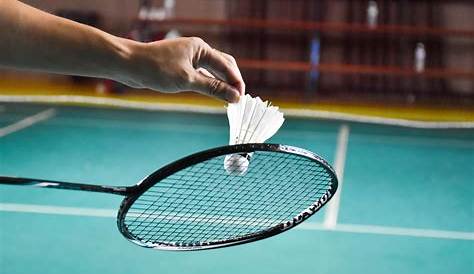
You just picked up a badminton racket, and you're eager to learn the game. Badminton is an exciting sport that you can pick up quickly. To help you get started, this guide covers the basic rules, key techniques, and essential equipment you'll need to enjoy and improve your skills.
What are the basic rules of badminton?
Badminton can be played as either a singles or doubles match, with the objective of hitting the shuttlecock over the net so it lands in your opponent's court. Matches are played as the best of three games, with the first player or team to reach 21 points winning a game. Points can be scored by either side, regardless of who served, using a system known as rally scoring. When serving, the shuttlecock must be struck below your waist and travel diagonally across the court. Faults occur if the shuttlecock lands outside the designated area, fails to clear the net, or if players touch the net or strike the shuttlecock more than once. Knowing these rules will help you play accurately and fairly.
What key techniques should I focus on first?
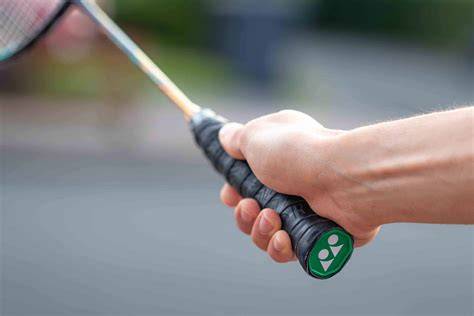
Mastering fundamental techniques is vital for your development as a beginner. Start with your grip; a proper grip is crucial for control and power. Use the handshake grip for forehand shots and the thumb grip for backhand shots. Next, footwork is essential. Good footwork allows you to move quickly and position yourself effectively to hit the shuttlecock. Practice moving side to side, as well as forward and backward, to build your agility. Basic strokes to practice include the serve, clear, and smash. For the serve, focus on accuracy and consistency to put your opponent on the defensive. The clear shot sends the shuttlecock high and deep into your opponent's court, while the smash is a powerful downward strike that can win points quickly. Regular practice of these strokes will boost your confidence and skill level.
What equipment do I need to start playing?
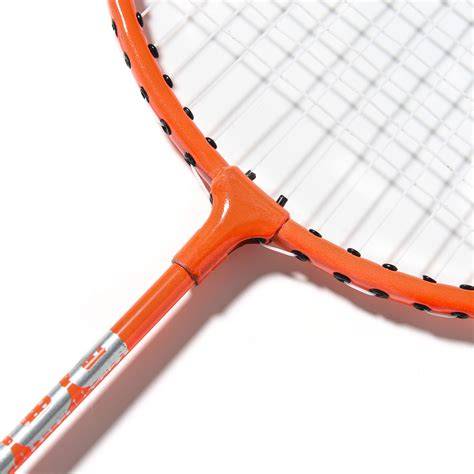
To start playing badminton, you'll need a few essential pieces of equipment. First, select a racket that feels comfortable and is suitable for beginners. Lightweight options that provide good balance and control are ideal. You don’t need to invest in an expensive racket right away; there are many affordable models that work well for new players. Next, you’ll need shuttlecocks. Nylon shuttlecocks are generally recommended for beginners as they are more durable and easier to handle than feather ones. Lastly, consider your footwear. Proper badminton shoes provide grip and support on indoor courts, allowing you to move quickly while minimizing the risk of injury. If you're unsure where to start, local sports stores often offer beginner bundles that include a racket and shuttlecocks at a reasonable price.
How can I find local badminton clubs or partners?
Connecting with local badminton communities can significantly enhance your learning experience. Start by exploring social media platforms, where many clubs have pages or groups that share information about practice sessions and events. Websites like Meetup can help you find local players looking for partners. Local sports centers or gyms often host badminton sessions or leagues, so visit these venues to inquire about membership or drop-in times. Additionally, reaching out to friends or family who may play can lead to valuable connections. Playing with others will allow you to improve your skills more quickly and make the game more enjoyable.
What are some common mistakes to avoid as a beginner?
As you start, being aware of common mistakes can help you improve more quickly. One frequent error is using the wrong grip, leading to poor shot execution. Make sure you're using the correct grip for different strokes. Another common mistake is poor footwork; without proper positioning, you'll struggle to hit the shuttlecock effectively. Practice moving your feet quickly and getting into the right stance. Many beginners also hit the shuttlecock too hard, neglecting accuracy. Aiming for the right spot will often yield better results than merely trying to smash the shuttle. Take time to practice your shots deliberately and focus on precision first.
Conclusion
To begin your badminton journey, familiarize yourself with the basic rules and practice key techniques like grip and footwork. Start with an affordable racket and some nylon shuttlecocks to begin playing right away. Look for local clubs or partners to enhance your experience, and be mindful of common mistakes to avoid. With consistent practice, you’ll gain confidence and enjoyment in the game.
Frequently Asked Questions
What is the difference between singles and doubles in badminton?
In singles, one player competes against another, while in doubles, two players form a team against another team of two. The court dimensions differ, with doubles using a wider court but a shorter length. This affects strategy, as doubles often requires more teamwork and quick reflexes.
How do I serve in badminton?
To serve, hold the shuttlecock in your non-dominant hand and the racket in your dominant hand. Position the shuttlecock vertically and strike it with the racket below your waist while aiming diagonally across the court. Practice this motion to develop consistency and accuracy.
Can I play badminton outside?
Yes, badminton can be played outdoors, but conditions like wind can affect the shuttlecock's flight. If playing outside, choose a calm day and consider using heavier shuttlecocks designed for outdoor play to minimize wind interference.
How often should I practice badminton as a beginner?
Aim to practice at least two to three times a week. Consistent practice helps reinforce techniques and builds muscle memory. Even short sessions can be beneficial, so try to find time to play regularly.
What should I warm up with before playing badminton?
Before playing, do light cardio exercises like jogging or skipping to increase your heart rate. Follow this with dynamic stretches focusing on your arms, legs, and back to prepare your muscles for quick movements and reduce the risk of injury.