A Complete List of Mammals of Austria for Wildlife Enthusiasts
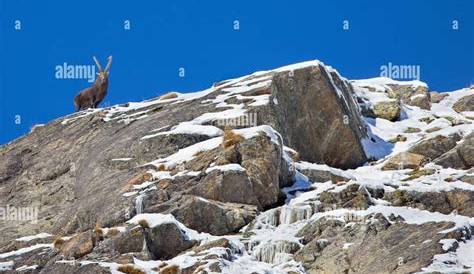
Austria is home to a remarkable variety of mammals, making it a fascinating destination for wildlife enthusiasts. Notable species such as the Alpine ibex and the elusive European wildcat thrive in the country's diverse habitats. This guide provides insights into the mammals you might encounter during your visit, including their behaviors, conservation statuses, and where to find them in the wild.
What mammals can I expect to find in Austria?
Austria hosts an array of mammals, both large and small. Here are some notable examples:
Alpine Ibex
The Alpine ibex is a large goat known for its impressive curved horns. It typically inhabits rocky mountain areas and is well adapted to steep terrains.
European Wildcat
Similar in appearance to domestic cats, the European wildcat is reclusive and prefers forested areas. They are mostly nocturnal and known for their solitary nature.
Red Fox
A common sight throughout Austria, the red fox is adaptable and thrives in both urban and rural areas. Their playful behavior and cleverness make them a favorite among wildlife watchers.
Eurasian Badger
These nocturnal mammals are often found in forests and farmland. Badgers are known for their distinctive black and white facial markings and live in social groups called clans.
Common European Hedgehog
Hedgehogs are small, nocturnal mammals often seen foraging for insects and snails. They are most active during the warmer months and can be found in gardens and hedgerows.
Roe Deer
Roe deer are graceful animals commonly found in woodlands and meadows. They are known for their shy behavior and are most active during dawn and dusk.
What are the key habitats for mammals in Austria?
Austria's diverse geography creates a variety of habitats for mammals:
Forests
Forests cover a significant portion of Austria and provide homes for many species, including red foxes, wild boars, and deer. The rich vegetation supports various prey and shelter.
Mountains
The Alpine regions are crucial habitats for species like the Alpine ibex and chamois. These areas offer steep cliffs and rocky outcrops that are essential for these mountain-dwelling mammals.
Wetlands
Wetlands in Austria, such as Neusiedler See, are vital for species like the European otter and numerous bat species. These areas provide abundant food resources and breeding grounds.
Urban Areas
Interestingly, many mammals adapt well to urban environments. Red foxes and hedgehogs can often be spotted in towns and cities, showcasing their versatility.
Grasslands
Grasslands are important habitats for many small mammals, including various rodents. These open areas provide ample foraging opportunities and shelter.
Which mammals are endangered or protected?
Several mammals in Austria face threats due to habitat loss, hunting, and climate change. Here are some notable species that are endangered or protected:
Eurasian Lynx
Once widespread, the Eurasian lynx has seen its populations decline due to habitat fragmentation. Conservation efforts are underway to protect their habitats and increase their numbers.
Alpine Marmot
These social rodents are vulnerable due to climate change affecting their mountain habitats. They are protected under Austrian law, and initiatives are in place to monitor and maintain their populations.
Common Pipistrelle Bat
This small bat species is facing habitat loss and pesticide use, which threaten its food supply. Conservation programs focus on habitat preservation and creating bat-friendly environments.
Where can I observe these mammals in the wild?
If you're keen on spotting Austria's unique mammals, here are some tips on where and when to look:
National Parks
Visiting national parks like Hohe Tauern or Gesäuse is ideal for observing wildlife in their natural habitats. These parks offer guided tours and information on the best spots for sightings.
Wildlife Reserves
Places like Danube-Auen National Park are excellent for seeing a variety of species, especially during the early morning or late evening when animals are most active.
Seasonal Timing
Spring and summer are the best times for wildlife watching, as many mammals are active and young animals are often seen. Early mornings and dusk are prime times for spotting creatures like deer and foxes.
How to choose where to see mammals in Austria
To decide where to observe mammals in Austria:
- Consider the species you are most interested in spotting.
- Research the habitats that support those species.
- Look for national parks or wildlife reserves that offer guided tours or educational programs.
- Plan your visit during the spring or summer months for the best chances of seeing active wildlife.
Conclusion
With this knowledge of Austria's mammals and their habitats, you're well-equipped to enhance your wildlife watching experience. Keep an eye out for the unique species you might encounter, and consider visiting national parks and reserves for the best opportunities to observe these fascinating animals in their natural settings.
Frequently Asked Questions
What is the best time of year to see mammals in Austria?
The best time to see mammals in Austria is during the spring and summer months when wildlife is most active. Early mornings and evenings are particularly good times for sightings.
Are there any specific locations known for wildlife watching in Austria?
Yes, national parks like Hohe Tauern and wildlife reserves such as Danube-Auen National Park are popular spots for observing mammals in their natural habitats.
What are the conservation efforts for endangered mammals in Austria?
Conservation efforts in Austria focus on habitat preservation, monitoring populations, and educational initiatives to raise awareness about endangered species like the Eurasian lynx and Alpine marmot.