Understanding Mahmud Yalavach's Influence in Turkish History
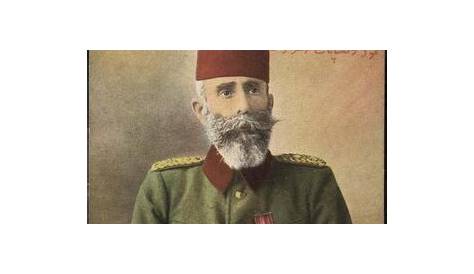
Mahmud Yalavach was a significant figure in early Turkish history, particularly known for his leadership in regional governance during the 11th century. As a military commander under the Great Seljuk Empire, he played a crucial role in the empire's expansion and the consolidation of power in Anatolia. His contributions to governance not only stabilized fragmented regions but also shaped the administrative structures that influenced future Turkish states.
Who was Mahmud Yalavach and why is he important?
Mahmud Yalavach was a prominent military leader and governor in the early Turkish states during the 11th century. He is best known for his role as a commander under the Great Seljuk Empire, contributing to its expansion and consolidation in Anatolia. His importance lies in both his military successes and his effective governance of territories. Yalavach’s leadership helped stabilize previously fragmented regions, fostering unity among various tribes and communities. This unification was vital during a time when the Byzantine Empire and other regional powers posed significant challenges. By establishing order and implementing effective governance, he laid the groundwork for the future development of Turkish political structures, making him a key figure in the transition from nomadic rule to settled governance in Anatolia.
What were Mahmud Yalavach's major contributions?
Yalavach's contributions can be categorized into military and administrative achievements. Militarily, he led successful campaigns against Byzantine forces, expanding the territories under Turkish control and enhancing the prestige of the Great Seljuk Empire. His tactical acumen in battles helped secure key victories that shaped the map of Anatolia. Administratively, Yalavach was instrumental in implementing reforms that improved local governance. He focused on integrating various ethnic groups and tribes, promoting a sense of shared identity and cooperation. He established a system of local leaders responsible for maintaining order and collecting taxes, streamlining governance and increasing state revenues. These reforms set a precedent for future administrations in the region, emphasizing the importance of local governance in managing diverse populations.
How did Mahmud Yalavach interact with his contemporaries?
Yalavach’s relationships with contemporaries like Tughril Beg, the founder of the Great Seljuk Empire, were significant in shaping his career. He served under Tughril Beg and later under Alp Arslan, aligning his military strategies with the empire's broader objectives. These alliances were crucial for mutual support in military campaigns and governance. Conversely, Yalavach encountered rival factions within the Turkish tribes and the Byzantine Empire. His ability to negotiate and confront these rivals showcased his political acumen. He often sought to build alliances through marriage or mutual agreements, which helped stabilize his rule and foster cooperation among different factions. Understanding these interactions provides insight into how Yalavach navigated the complex political landscape of his time.
What challenges did Mahmud Yalavach face during his leadership?
Throughout his leadership, Yalavach faced numerous challenges, including military threats from the Byzantine Empire and internal strife among the Turkish tribes. One significant obstacle was maintaining loyalty among diverse groups while managing the ambitions of local leaders. The constant threat of invasion required him to balance military readiness with administrative duties, often stretching his resources thin. Additionally, Yalavach contended with dissenting factions that sought to undermine his authority, a common challenge for leaders in rapidly changing political environments. He employed a combination of diplomacy and military force to address these issues, ensuring he maintained control over his territories while defending against external threats.
What can we learn from Mahmud Yalavach's legacy today?
Mahmud Yalavach’s legacy offers valuable lessons in leadership, governance, and the importance of unity in diversity. His ability to integrate various groups under a common administration highlights the significance of inclusive governance in multicultural settings. Modern leaders can learn from his administrative reforms, particularly the importance of local governance and effective tax collection to support state functions. His approach to diplomacy—balancing military action with negotiation—reminds us of the complexities leaders face today. By studying Yalavach’s strategies and challenges, contemporary leaders can gain insights into managing diverse populations and the need for adaptability in governance.
Conclusion
To understand Mahmud Yalavach's impact, explore his administrative reforms and military strategies. Consider how he unified diverse groups and navigated complex political landscapes. Focus not on the minutiae of every battle but on the broader implications of his governance style. A clearer picture emerges of how early Turkish governance evolved and the lessons it holds for today's leaders.
Frequently Asked Questions
What was Mahmud Yalavach known for?
Mahmud Yalavach was known for his military leadership under the Great Seljuk Empire and his significant contributions to the administrative governance of early Turkish states. He played a key role in expanding territories and implementing reforms that improved local governance.
How did Mahmud Yalavach influence Turkish history?
Yalavach influenced Turkish history by stabilizing regions during a time of fragmentation, establishing effective local governance, and promoting unity among diverse tribes. His leadership laid the groundwork for future political structures in Anatolia.
What challenges did Mahmud Yalavach face?
Yalavach faced challenges such as military threats from the Byzantine Empire, internal strife among Turkish tribes, and the need to maintain loyalty among diverse groups. He tackled these issues through a mix of diplomacy and military action.
Who were Mahmud Yalavach's contemporaries?
Some of Mahmud Yalavach's contemporaries included Tughril Beg, the founder of the Great Seljuk Empire, and Alp Arslan. His relationships with these leaders were crucial for his military and administrative successes.
What lessons can modern leaders learn from Mahmud Yalavach?
Modern leaders can learn the importance of inclusive governance, the need for effective local administration, and the balance between diplomacy and military action from Mahmud Yalavach's legacy.