The Personal Name of the Longqing Emperor: Understanding His Identity
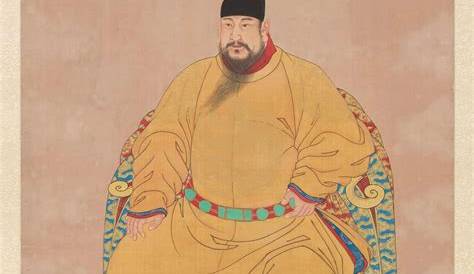
The Longqing Emperor, who ruled from 1567 to 1572, was personally named Zhu Zaihou. His reign, though often overshadowed by other Ming rulers, plays a crucial role in understanding the dynamics of the Ming Dynasty. By examining his identity and significance, we can gain valuable insights into this period of Chinese history.
What is the Longqing Emperor's personal name?
The Longqing Emperor's personal name is Zhu Zaihou. This name reflects a common practice in Chinese history where emperors adopt regnal names that symbolize their reign. He was the son of the Jiajing Emperor and ascended to the throne after a period marked by political turmoil and corruption. While Zhu Zaihou is his personal name, his era name, Longqing, meaning 'Dragon Clear,' is more frequently referenced, symbolizing his aspirations for a prosperous and harmonious reign.
Why is the Longqing Emperor significant in history?
The Longqing Emperor is significant for several reasons. His brief reign attempted to reform the Ming bureaucracy and tackle corruption and inefficiency. He is remembered for revitalizing the imperial court and restoring some stability after the chaotic rule of his father. The Longqing era is also noted for cultural flourishing, with advancements in literature and the arts. However, the short duration of his reign limited his long-term impact on the Ming Dynasty.
What challenges did the Longqing Emperor face during his rule?
During his reign, the Longqing Emperor confronted numerous challenges, including political strife and natural disasters. His efforts to consolidate power met with resistance from entrenched officials who benefited from corruption. The era was also marked by devastating natural disasters, such as floods and famines, straining resources and affecting his popularity. These obstacles tested his leadership and underscored the difficulties of governing a vast empire during turbulent times.
How did the Longqing Emperor impact Ming Dynasty policies?
The Longqing Emperor aimed to address the corruption that plagued the Ming court. He sought to promote honest officials and implement reforms designed to enhance governance efficiency. His administration made attempts to strengthen military defenses and improve agricultural output in response to both internal and external threats. However, many of these reforms were not fully realized due to his early death, leaving a mixed legacy that his successors would later grapple with.
What do historians say about the Longqing Emperor's legacy?
Historians have a complex view of the Longqing Emperor's legacy. Some appreciate his reform efforts and the cultural advancements during his reign, while others critique the limited effectiveness of his policies. His brief reign prevents a definitive assessment of his impact, but many agree he represents a transitional figure in the Ming Dynasty, striving to guide the empire toward recovery amidst numerous challenges. Today, he is often seen as a ruler with great potential, whose reign was ultimately cut short.
Conclusion
To grasp the Longqing Emperor's significance, consider his personal name, Zhu Zaihou, as a reflection of his reign's aspirations. By examining the challenges he faced and the policies he implemented, you can better understand his impact on the Ming Dynasty. Although he may not have left a lasting legacy, his reign provides insight into the complexities of governance and reform during this historical period.
Frequently Asked Questions
What does the name Longqing mean?
The name Longqing translates to 'Dragon Clear,' symbolizing a desire for prosperity and harmony during the emperor's rule.
How long did the Longqing Emperor rule?
The Longqing Emperor ruled from 1567 to 1572, a period of about five years marked by attempts to reform the bureaucracy and address corruption.
What were the major challenges during the Longqing Emperor's reign?
Major challenges included political strife from corrupt officials and natural disasters such as floods and famines, which strained the empire's resources and affected his popularity.
What are some cultural achievements during the Longqing era?
The Longqing era saw a flourishing of literature and arts, including poetry and painting, reflecting the cultural revival during his reign.
Why is the Longqing Emperor often overshadowed by other Ming rulers?
The Longqing Emperor is often overshadowed due to the brevity of his reign and the more prominent figures like the Jiajing Emperor and the Wanli Emperor, who had more significant impacts on the dynasty.