A List of Least Concern Reptiles and What It Means for Conservation
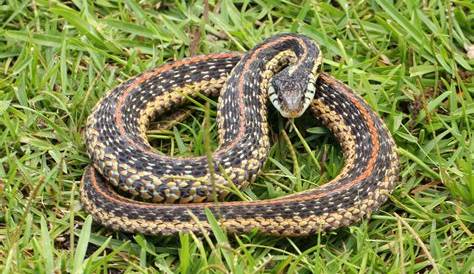
You might have heard terms like "endangered" or "vulnerable" when it comes to wildlife, but many reptiles are classified as "least concern," indicating they are currently thriving in their natural habitats. This classification, set by the International Union for Conservation of Nature (IUCN), means these species are not at immediate risk of extinction and generally have stable populations. Understanding which reptiles fall into this category helps highlight successful species and informs conservation practices, making it essential for conservation enthusiasts.
What does 'least concern' mean in reptile conservation?
The term "least concern" is a classification in the IUCN Red List indicating that a species is widespread and abundant. This designation means these reptiles do not currently meet the criteria for being threatened or endangered. Species in this category are often resilient, capable of adapting to various environments, and face fewer immediate threats from habitat loss, pollution, or hunting. This classification is significant because it underscores species that are doing well, which can guide conservation efforts toward those that are struggling. However, it’s crucial to remember that the status of these species can change due to environmental shifts or human activities.
Which reptiles are currently classified as least concern?
Several reptiles classified as least concern demonstrate a diversity of habitats and ecological roles. Examples include the common garter snake (Thamnophis sirtalis), found throughout North America, and the green iguana (Iguana iguana), thriving in Central and South America. The red-eared slider (Trachemys scripta elegans), originally from the southern United States, is now widespread due to the pet trade. In Australia, the eastern water dragon (Intellagama lesueurii) is commonly seen in urban areas. Each of these species exhibits stable populations and adaptability to various environments, contributing to their success in their respective niches. These examples illustrate how diverse and resilient least concern reptiles can be across different regions.
Why are some reptiles thriving while others are endangered?
The success of least concern reptiles often stems from a combination of environmental and biological factors. Many of these species have flexible diets and can thrive in altered habitats, including urban areas or agricultural land. For example, the common garter snake can find food in diverse environments, aiding its survival. In contrast, endangered reptiles may have specialized habitat needs or limited ranges, making them more vulnerable to habitat destruction or climate change. Some species also have higher reproductive rates, allowing them to recover from population declines more efficiently. However, this does not mean that least concern species are immune to threats; changes in their environment can still pose risks.
How can I help protect reptiles in my area?
There are several practical steps you can take to support local reptile populations. Start by educating yourself about the native reptile species in your area and their specific habitat needs. Creating a wildlife-friendly garden can provide essential shelter and food sources for these reptiles. Avoid using pesticides, as they can harm both reptiles and their prey. Participating in local conservation efforts, such as habitat restoration projects or clean-up events, can also make a significant impact. Lastly, advocating for policies that protect natural habitats and promote biodiversity will help ensure that least concern reptiles continue to thrive.
What should I watch for in the future regarding reptile conservation?
While many reptiles are currently classified as least concern, potential threats exist. Climate change could alter habitats and food availability, while increased urbanization and habitat fragmentation might limit the ranges of these species, pushing them closer to at-risk status. Additionally, invasive species can disrupt local ecosystems, outcompeting native reptiles for resources. Staying informed about these trends and supporting sustainable practices in your community can help mitigate these risks and ensure that thriving species remain stable.
Conclusion
Start by taking small actions, like creating a habitat-friendly space in your garden or participating in local conservation initiatives. Focus on supporting native species and advocating for environmental policies that protect wildlife. Together, these efforts can contribute to a healthy ecosystem where both least concern and threatened reptiles can thrive, ensuring biodiversity remains intact for future generations.
Frequently Asked Questions
What does it mean if a reptile is classified as least concern?
A reptile classified as least concern indicates that it is currently widespread, abundant, and not facing immediate threats of extinction. This status suggests that the species has stable populations and can adapt well to changing environments.
Can the status of least concern reptiles change?
Yes, the status of least concern reptiles can change due to various factors such as habitat loss, climate change, and increased human activity. While they are not currently at risk, ongoing threats can push their populations into a more vulnerable category.
Are all reptiles that are least concern safe from threats?
Not necessarily. While least concern reptiles are currently doing well, they can still be affected by environmental changes, habitat destruction, and other human-induced threats. It's crucial to monitor their populations and habitats to ensure their continued success.
How can I identify least concern reptiles in my area?
You can identify least concern reptiles by researching local species through field guides or online resources. Many organizations provide information about native reptiles and their conservation status, helping you recognize which ones are thriving in your region.
What role do least concern reptiles play in the ecosystem?
Least concern reptiles play vital roles in their ecosystems, such as controlling pest populations, dispersing seeds, and serving as prey for other wildlife. Their health and stability contribute to overall biodiversity and ecosystem balance.