Understanding the League of German Girls and Its Historical Significance
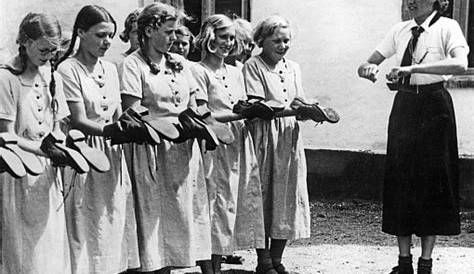
The League of German Girls, or Bund Deutscher Mädel (BDM), was a crucial youth organization in Nazi Germany for girls aged 10 to 21. Its primary goal was to indoctrinate young girls into Nazi ideology by promoting traditional gender roles centered on motherhood and domesticity. By examining the League's origins, its role in Nazi ideology, and the personal experiences of its members, we can better understand how youth organizations served as instruments of political and social indoctrination during this period.
What was the League of German Girls?
The League of German Girls was officially founded in 1930 as a part of the Nazi youth movement. Its main purpose was to prepare girls for their future roles as wives and mothers within the framework of Nazi ideology. The League aimed to instill ideals of loyalty, obedience, and physical fitness, reinforcing the belief that a woman's place was in the home. Mirroring the Hitler Youth, which focused on boys, the League emphasized nurturing domestic skills. Membership became mandatory for girls after 1936, and activities included physical training, handicrafts, and lessons on racial ideology. The League sought to shape a generation of women who would support and propagate the Nazi regime's values, ensuring that these beliefs were passed down to future generations.
How did the League influence young girls' lives?
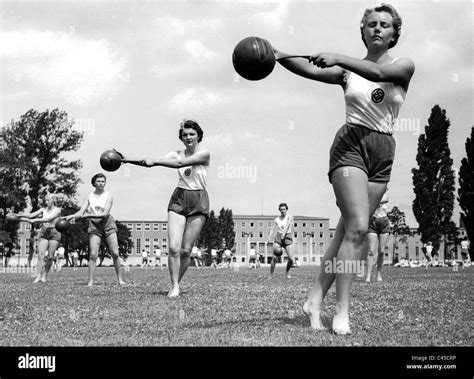
Membership in the League of German Girls significantly shaped the daily lives of its members. Activities were structured to promote physical health and fitness, deemed essential for future mothers. Girls engaged in sports, camping, and hiking to develop strong, healthy bodies. Ideological education was also central to their experience; members learned about National Socialist principles, emphasizing Aryan race purity and the glorification of motherhood. Socialization played a key role, as girls formed bonds through shared experiences. However, the curriculum often suppressed individuality, promoting conformity to Nazi ideals. While these experiences fostered a sense of community and purpose, they also restricted personal development and critical thinking.
What were the criticisms and consequences of the League?
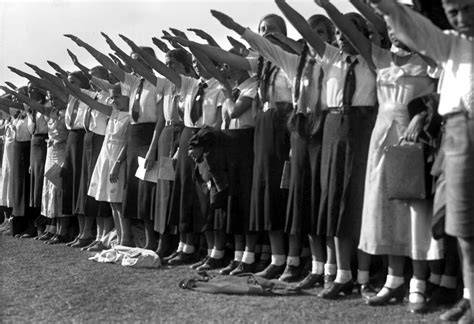
The League of German Girls faced substantial criticism for its role in suppressing individuality and promoting Nazi propaganda. Critics argue that its emphasis on conformity stifled creativity and critical thinking among members. The indoctrination process was intense, encouraging girls to adopt Nazi values without question. This environment fostered a culture of compliance and loyalty to the regime, often at the expense of personal autonomy. Some former members have expressed feelings of pressure to conform to the League's ideals, leading to internal conflicts regarding their identities. The consequences extended beyond individual development; the League was a key component in the broader machinery of Nazi propaganda, influencing generations of girls to accept restrictive gender roles that prioritized service to the state over personal aspirations.
What happened to the League after World War II?
After World War II, the League of German Girls was dissolved along with the Hitler Youth and other Nazi organizations as the Allies sought to dismantle the remnants of the Nazi regime. In the post-war years, many former members reflected on their experiences with mixed emotions, often struggling to reconcile their past involvement with the broader implications of Nazi ideology. Some sought to understand their past, while others distanced themselves entirely from that chapter of their lives. The legacy of the League has sparked discussions about the role of youth organizations in fostering ideological conformity and the importance of education that encourages critical thinking. In modern Germany, the historical significance of the League is often explored in educational settings, serving as a cautionary tale about the power of indoctrination.
What can we learn from the League of German Girls today?
The history of the League of German Girls encourages important conversations about youth organizations and their potential for indoctrination. It serves as a reminder of the need for critical thinking and individuality in educational settings. Today, we must remain vigilant about the messages conveyed to young people through organized groups, ensuring they promote inclusive and diverse values rather than conformity. Understanding the historical context of youth organizations can help us recognize the dynamics of power and influence in shaping beliefs and behaviors. By fostering environments that encourage critical questioning and personal growth, we can work to prevent the repetition of past mistakes.
Conclusion
To truly understand the significance of the League of German Girls, we should examine how youth organizations can shape ideologies and individual identities. The lessons learned from their experiences highlight the importance of critical thinking in education. By studying the past, we can better engage in discussions surrounding youth groups today, ensuring they promote diverse values rather than oppressive ideologies.
Frequently Asked Questions
What was the main goal of the League of German Girls?
The main goal of the League of German Girls was to prepare girls for their future roles as wives and mothers within the context of Nazi ideology, emphasizing traditional gender roles and domesticity.
Was membership in the League of German Girls voluntary?
Membership in the League became mandatory in 1936, making it compulsory for girls aged 10 to 21 to participate in its activities as part of the broader Nazi youth movement.
What kind of activities did the League of German Girls organize?
The League organized a variety of activities, including physical training, sports, handicrafts, and lessons on Nazi ideology, all aimed at instilling loyalty and conformity among its members.
How did former members of the League view their experiences?
Former members have had mixed feelings about their experiences in the League, with some grappling with the indoctrination they underwent while others have distanced themselves from that part of their past.
What lessons can we draw from the League of German Girls today?
The League's history teaches us about the dangers of indoctrination in youth organizations and highlights the importance of fostering critical thinking and individuality in educational environments.